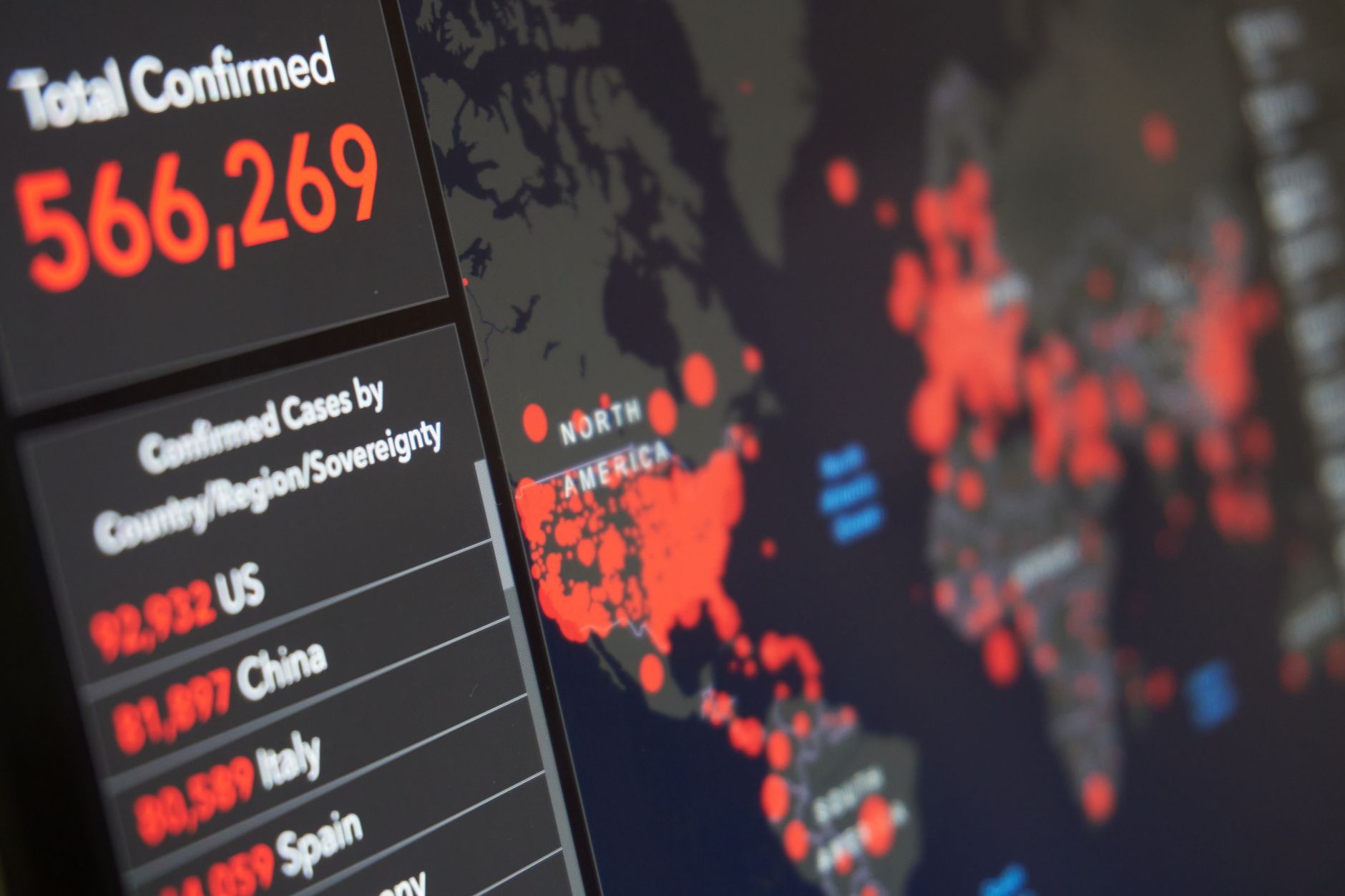
The World Health Organization reports that in the first five months of the 2026 Ebola outbreak, the Democratic Republic of Congo (DRC) has recorded 9,415 confirmed cases and 4,536 deaths. While the disease remains largely within DRC’s borders, neighboring Kenya and Uganda have reported eight and 20 confirmed cases respectively, prompting regional border tightening.
Speed of spread outpaces previous epidemics
Comparative data highlight the rapidity of the current crisis. About 150 days after the 2014 West African epidemic was declared, case counts stood at 2,599. At the same 150‑day mark in 2026, the DRC reported 8,978 cases, a figure that continues to rise. Although the total deaths have not yet matched the 2014 toll of more than 11,000, the velocity of transmission is unprecedented for an Ebola event.
Bundibugyo strain and limited medical tools
The outbreak is driven by the Bundibugyo strain, a variant that belongs to the same family as the Zaire strain responsible for the 2014 West Africa and 2018 Congo epidemics. However, Bundibugyo differs enough that existing vaccines and treatments effective against Zaire do not work. No vaccine has been approved for Bundibugyo, leaving public health officials reliant on traditional containment measures such as contact tracing and isolation.
Bundibugyo is not entirely new. The strain caused a minor outbreak in Uganda in 2007 and a handful of cases in eastern Congo in 2012. Those earlier events were contained within months, largely due to coordinated efforts by the Congo Ministry of Health, the WHO, the U.S. Agency for International Development (USAID), UNICEF and the Red Cross.
Since then, USAID funding for disease surveillance has been reduced, eroding the capacity for rapid testing, protective equipment provision and field investigations. The World Health Organization’s May 2026 situation report notes a “critical four‑week detection gap between the onset of symptoms of the presumed index case… and the laboratory confirmation of the outbreak.” The delay allowed the virus to spread unchecked during its early phase.
In August, the United States sought to address part of the shortfall, adding $242 million to an original pledge of $23 million made in May, aiming to bolster surveillance and response resources.
Beyond funding constraints, the DRC faces entrenched internal conflict, especially in the eastern provinces such as Ituri. Years of violence have degraded public infrastructure, including health facilities. Last year, nearly a quarter of the Congolese population experienced food insecurity, and 4.5 million children were clinically malnourished, heightening vulnerability to infectious disease. Ongoing insecurity has displaced millions, overwhelmed hospitals and fueled mistrust toward health authorities, further complicating outreach and vaccination campaigns.
Emergency clinical trials for a Bundibugyo vaccine are currently underway, but the same factors that accelerated the outbreak—limited diagnostic capacity, weakened health systems and community skepticism—pose significant challenges to trial enrollment and eventual rollout.
Given the confluence of a fast‑spreading viral strain, reduced international support and a fragile domestic context, experts caution that the trajectory of the 2026 Ebola crisis remains uncertain. The number of additional cases and the timeline for containment will depend on how quickly resources can be mobilized, surveillance gaps closed and community trust rebuilt.

Mitchell Landsberg is a Senior Technology Correspondent at News Raise. He covers consumer electronics, artificial intelligence, software developments, and digital privacy trends.