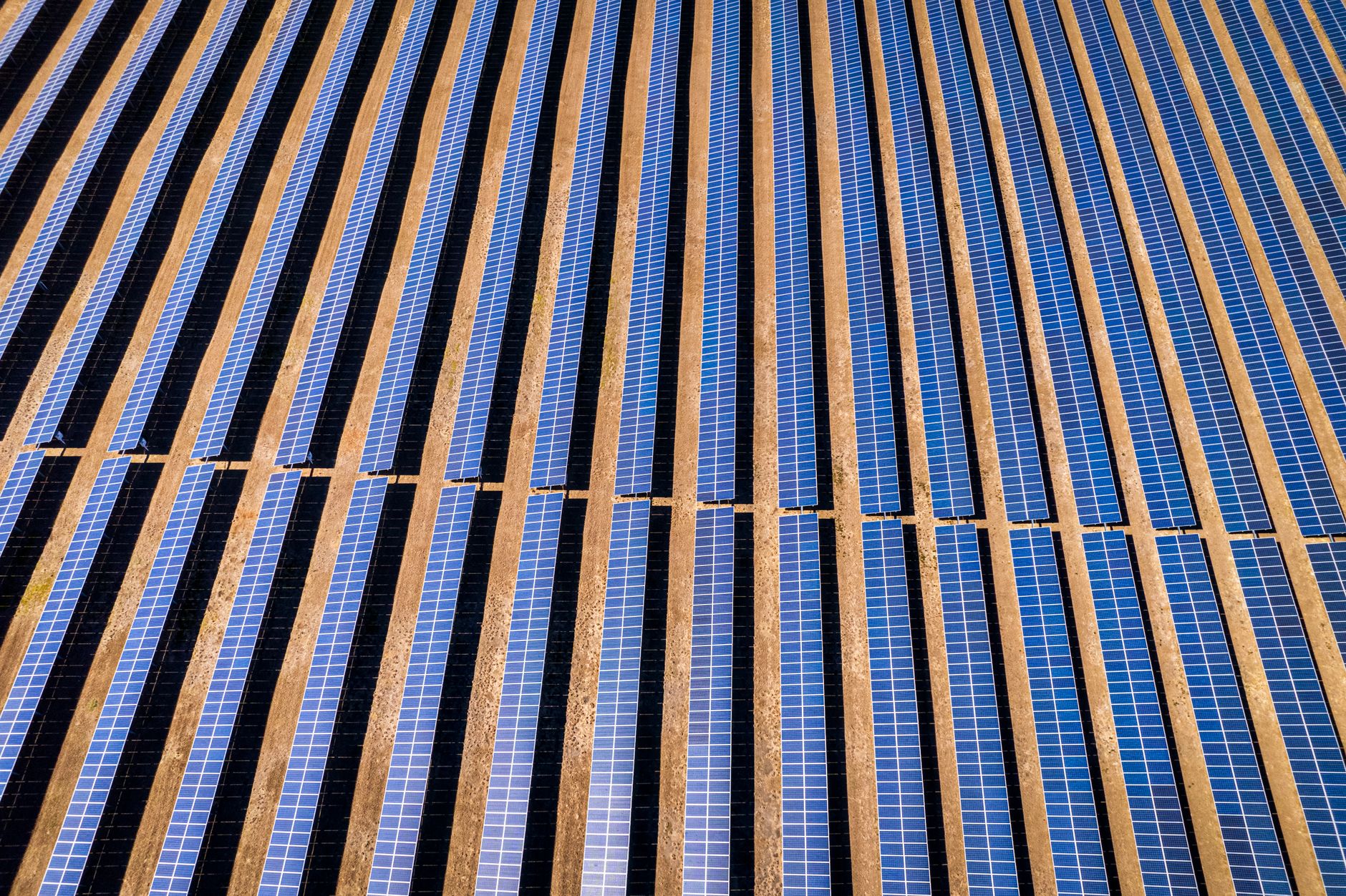
Expedition 75 flight engineers Anil Menon of NASA and Joshua Kutryk of the Canadian Space Agency wrapped up a 6‑hour‑59‑minute spacewalk on Thursday, Nov. 5, by installing the International Space Station’s eighth and final Roll‑Out Solar Array (iROSA). The new array, mounted on the starboard side of the station’s backbone truss on the 3B power channel, is expected to raise the station’s electricity output by as much as 30 %.
Installation and troubleshooting
The EVA began at 8:36 a.m. EST (1336 GMT) and concluded at 3:35 p.m. EST (2035 GMT). Menon and Kutryk first retrieved the 750‑pound (340 kg) iROSA assembly from a temporary stowage platform. Using the station’s Canadarm2 robotic arm, they transferred the panel to the worksite and secured it to a pre‑installed bracket kit.
After bolting the array in place, Menon attached the power cables. A short circuit‑current test revealed only half of the expected shunt current, prompting Mission Control’s spacewalk officer, NASA astronaut Nichole Stilwell, to radio, “We are seeing half of the expected shunt current that we want… In this current config, we are not necessarily going to deploy.” To protect the crew and the hardware—solar arrays generate electricity whenever illuminated—the astronauts waited for the station to pass into Earth’s shadow before inspecting the connectors.
During the shadow period, the pair cleared the worksite and returned Canadarm2 to its park position. Once the issue was resolved, Stilwell confirmed, “We are seeing good shunt currents on the ground, so we are go for deploy.” The astronauts then released two bolts, allowing the array to unfurl to its full 63‑foot (19‑meter) length. The deployment relied solely on the stored potential energy of rolled‑up carbon‑composite booms and took roughly ten minutes.
Completing a 15‑year power upgrade
“Today marks the completion of not just one solar array but, over 15 years after its development, eight arrays,” Menon said at the end of the EVA. He added that the new iROSA panels are “half the size of the old ones and bringing 40 % more power.” All eight iROSAs and their mounting hardware have been delivered to the ISS aboard SpaceX Dragon cargo flights since June 2021.
Four two‑person teams have performed the installations, each working on a different power channel. Earlier crews included Shane Kimbrough (NASA) and Thomas Pesquet (ESA) on the 2B and 4B channels; Josh Cassada and Frank Rubio (NASA) on 3A and 4A in December 2022; and Steve Bowen and Woody Hoburg (NASA) on 1A and 1B in June 2023. The iROSA upgrades were prompted by degraded performance of the station’s eight original solar arrays, which have exceeded their 15‑year design life.
The additional power is intended to sustain ISS operations through its planned retirement and controlled deorbit, currently scheduled for late 2030. Stilwell praised the crew, noting that the accomplishment coincided with “just surpassed 26 years of constant human presence on the International Space Station,” and called the work “the best of humanity” in a demanding environment.
Menon now has logged 33 hours 30 minutes on four spacewalks, while Kutryk has accumulated 14 hours 10 minutes on two. The Nov. 5 EVA was the 101st U.S. spacewalk at the ISS without a shuttle present and the 286th overall in support of station assembly, maintenance, and upgrades. It was the ninth EVA of 2026 and the sixth conducted by the station’s 75th resident crew.

Norman Pearlstine is the Executive Editor and Co-Founder at News Raise. With over two decades of experience across financial journalism, corporate governance, and market analysis, Norman leads the editorial direction and ensures strict adherence to journalistic accuracy and ethics.