A robotic system developed by researchers at Caltech has successfully assembled a 1.4‑meter‑diameter reflector antenna in orbit without any astronaut assistance. The achievement represents the first instance of a structure being built autonomously in space, a milestone that could pave the way for large‑scale space infrastructure such as solar‑power collectors and high‑gain antennas.
Autonomous Assembly in Orbit
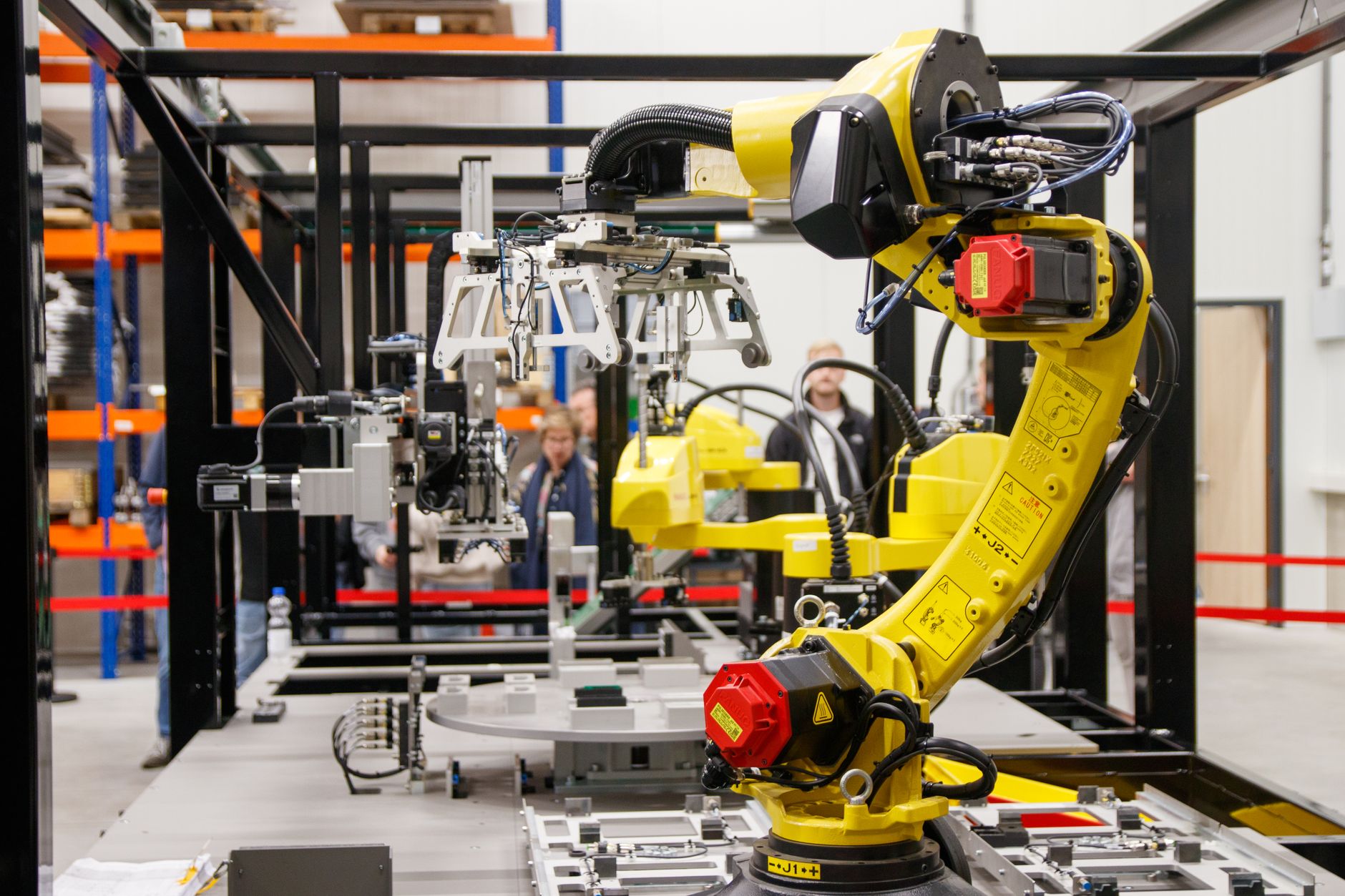
The device, known as the Autonomous In‑Space Tensioned Reflector Assembly (ASTRA), functions as a manipulator that retrieves struts and joints from nearby dispensers and repeatedly joins them into identical perimeter‑truss sections, or bays. Over a six‑month orbital period, the robot combined composite fibre tubes, aluminium joints and a Kapton reflective surface to form the complete reflector antenna. Team leader Sergio Pellegrino described the process as “the first time that a structure has been autonomously constructed in space.”
According to Caltech, DARPA likens the autonomous build to assembling a sophisticated version of K’Nex or Tinkertoy components, though the engineering challenges are far more complex than a child’s toy.
Program Development and Timeline
The demonstration is the third phase of DARPA’s Novel Orbital and Moon Manufacturing, Materials, and Mass‑efficient Design (NOM4D) program. In the initial two phases, the ASTR A team established the concept and verified it in laboratory settings on Earth. The space‑bound payload was completed, tested and handed over to the launch services provider Momentus Inc. in under twelve months, a schedule the team describes as “an enormous undertaking for our small team.”
Pellegrino, who also co‑directs the Space Solar Power Project, noted that the rapid development timeline underscores the team’s capability to deliver complex hardware quickly, positioning the effort for future missions that may require on‑orbit construction.
Implications for Future Space Systems
Scientists and engineers see the ability to deploy large, self‑assembled structures in orbit as a game‑changer for several fields. Massive reflector surfaces could serve as mirrors for next‑generation space telescopes, expanding the observable universe for astronomers. The same truss technology could form the aperture of expansive radio‑frequency antennas, improving communications and deep‑space data links.
Perhaps most compelling is the prospect of building extensive solar arrays that harvest sunlight in space and transmit power wirelessly to Earth—a core goal of the Space Solar Power Project. Pellegrino explained that once structures reach a size where they cannot be pre‑fabricated on the ground and unfolded, in‑space assembly becomes essential. The successful ASTRA demonstration therefore opens research avenues in astronomy, communications and renewable energy generation beyond Earth.
As the mission concludes, the Caltech team is preparing to explore new research directions enabled by the autonomous build, signaling a shift toward more ambitious, self‑sustaining space manufacturing capabilities.

Helene Elliott is the Lead Science & Space Reporter at News Raise. She reports on aerospace missions, astrophysics discoveries, quantum research, and environmental technology.