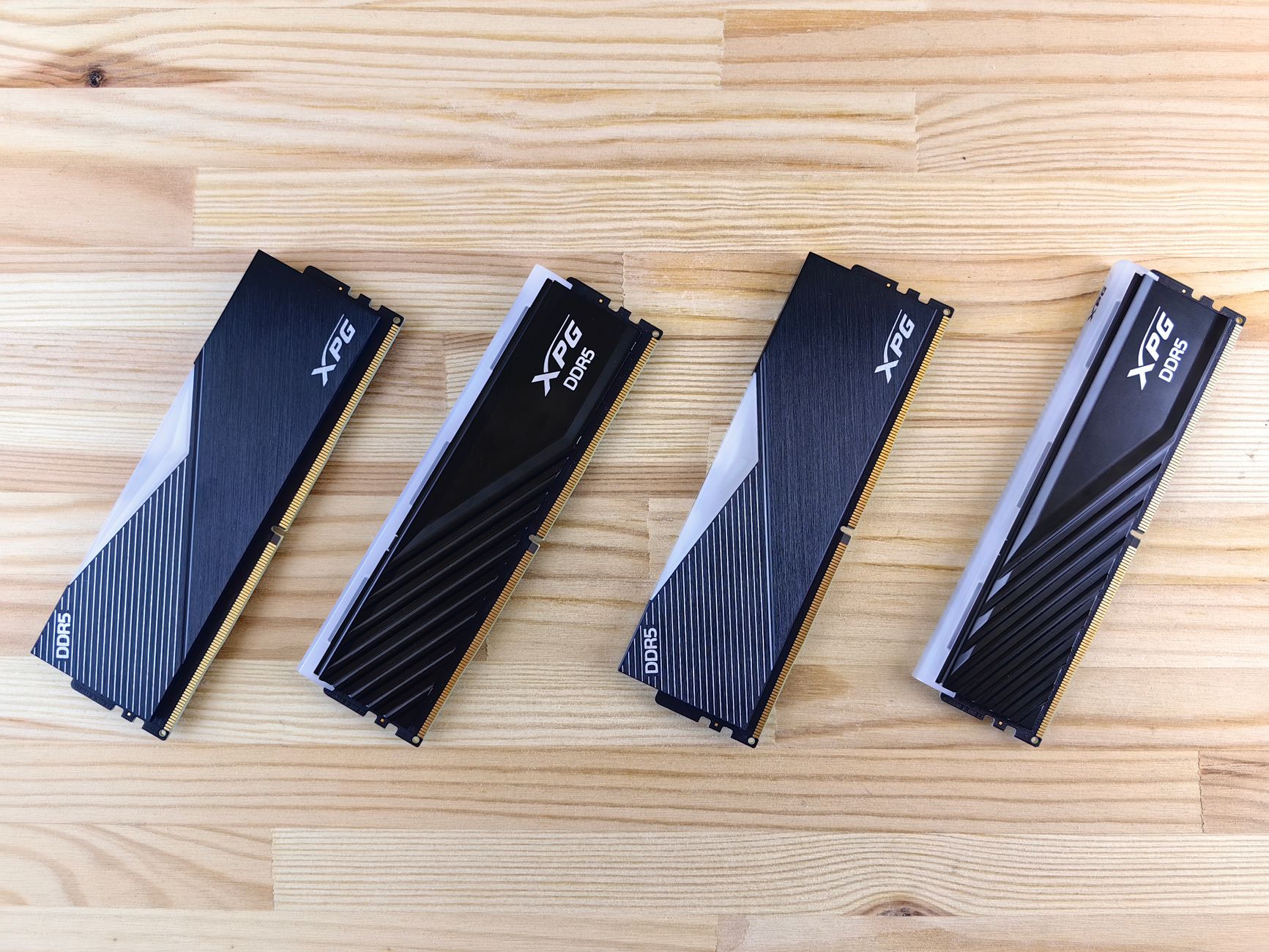
Advanced Micro Devices (AMD) has issued a stark warning to consumers and PC builders, indicating that prices for DDR5 memory modules may not return to pre-boom levels until as late as 2028. The primary driver behind this prolonged pricing pressure is the insatiable demand for high-bandwidth memory fueled by the burgeoning artificial intelligence (AI) industry.
AI Boom’s Impact on Memory Supply
The rapid expansion of AI technologies, particularly in areas like large language models and complex data processing, requires immense computational power. This, in turn, necessitates specialized and high-performance memory components. The production capacity for these advanced memory chips is finite, and the AI sector is currently consuming a substantial portion of the available supply. This diversion of resources and manufacturing output directly impacts the availability of DDR5 RAM for the broader consumer market, including gaming PCs and workstations.
AMD’s projections suggest a significant imbalance between supply and demand that will take several years to rectify. While some industry observers had hoped for a quicker normalization, AMD’s outlook indicates a more protracted period of elevated prices. This situation is a familiar one in the semiconductor industry, where high-demand applications can quickly strain global manufacturing capabilities.
Consumer Ramifications and Future Outlook
For PC enthusiasts and individuals looking to upgrade their systems or build new ones, this forecast means that DDR5 memory will likely remain a relatively expensive component for the foreseeable future. DDR5 is the latest generation of RAM, offering significant improvements in speed and efficiency over its predecessor, DDR4. However, its adoption has been hampered by higher costs, a situation that AMD’s latest warning suggests will persist longer than anticipated.
While AMD’s primary forecast points to a 2028 stabilization, there is some indication that the situation might improve sooner. Some reports suggest that AMD’s head is hoping for supply to begin returning to more normal levels within the next two years. This suggests that while the peak of the AI-driven demand might not immediately translate into readily available consumer stock, incremental improvements in supply chains and manufacturing could begin to ease pressures in the medium term. However, a full return to pre-AI boom pricing is still a distant prospect.
The semiconductor industry is characterized by long production cycles and significant capital investment. Ramping up production of advanced memory chips takes time, and manufacturers must carefully balance investment in new capacity against fluctuating market demands. The current AI surge presents a complex challenge, requiring strategic decisions about resource allocation that inevitably affect other market segments.

Steve Lopez is a Senior Editorial Columnist and Health & Public Policy reporter for News Raise. Steve focuses on healthcare advancements, medical technologies, and public health policies.