Most individuals are not consuming sufficient levels of flavanols, naturally occurring compounds found in fruits, vegetables, and other foods, to adequately protect against cardiovascular disease, according to a recent study. The research indicates that while general fruit and vegetable intake is recommended, the specific choices made play a more critical role in achieving beneficial flavanol levels.
Flavanol Intake and Cardiovascular Risk
Consuming approximately 500 milligrams (mg) of flavanols per day has been linked to a reduced risk of death from cardiovascular disease, with previous research suggesting this amount could lower mortality risk by up to 27%. A study published in Food and Function analyzed data from 30,000 participants in the United Kingdom and the United States, using biomarker measurements to track dietary intake.
The findings revealed that the majority of participants fell short of the 500mg daily flavanol target, even when adhering to standard dietary guidelines from sources such as the Dietary Guidelines for Americans and the UK’s National Health Service (NHS). These guidelines typically recommend 2-3 or 5 portions of fruits and vegetables daily, respectively.
“Flavanols can significantly reduce the risk of dying from cardiovascular disease, but only if you consume enough of them,” stated Javier Ottaviani, PhD, lead author of the study and director of the Core Laboratory of Mars Edge. “Most people assume that eating plenty of fruit and vegetables covers this, but what this research shows is that the specific choices you make matter far more than the total amount.”
Identifying Flavanol-Rich Foods
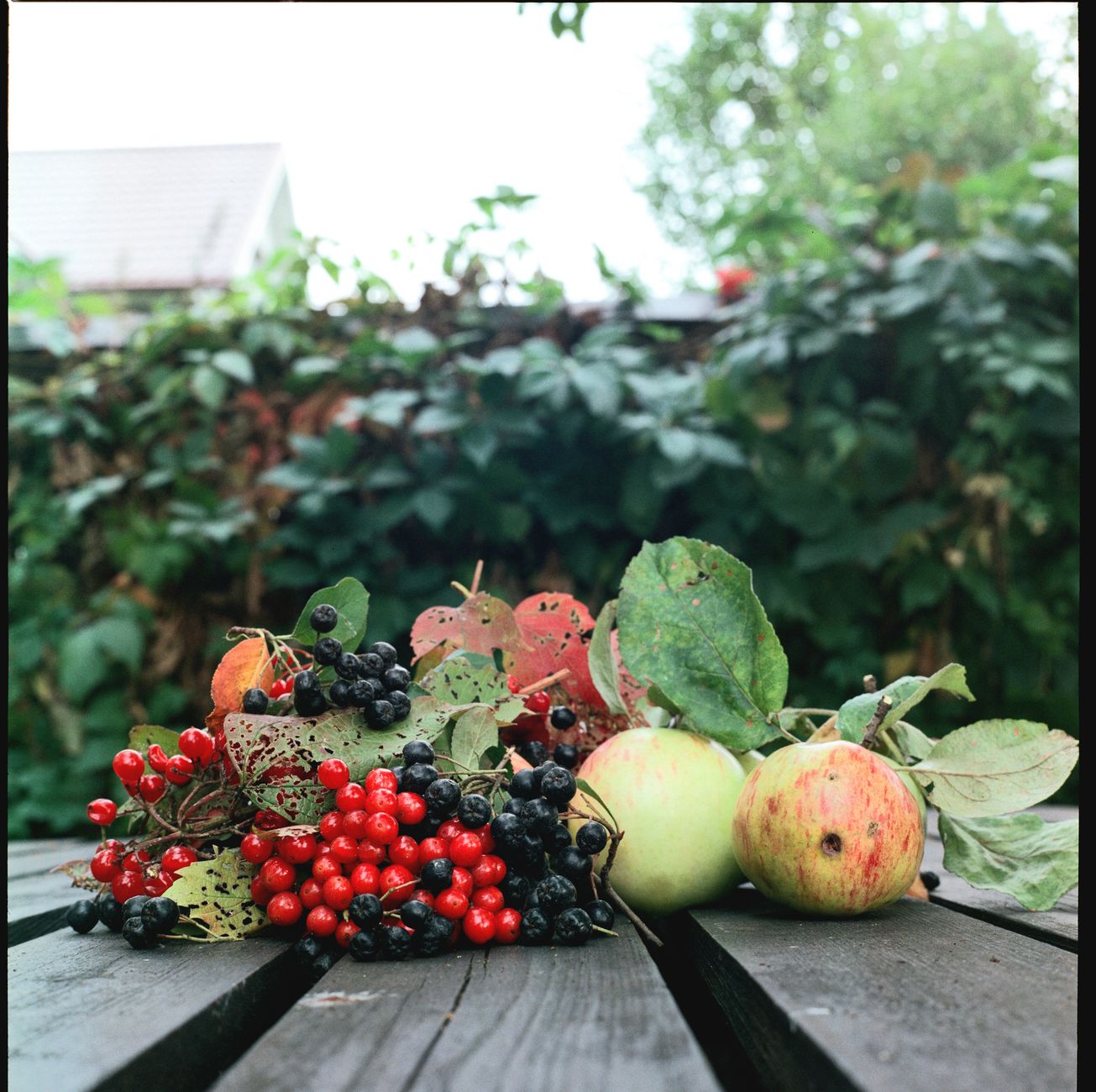
The study highlights that not all fruits and vegetables offer the same flavanol content. While continuing to consume a variety of produce is important, prioritizing flavanol-rich options may offer enhanced cardiovascular benefits. Michelle Routhenstein, a preventive cardiology dietitian, commented that regularly choosing options like berries and apples could be particularly beneficial.
According to research, certain foods are particularly high in flavanols. Examples include plums (approximately 450mg per 500g), cranberries (around 300mg per 250g), blackberries (about 250mg per 200g), and green tea (approximately 200mg per 250ml cup). Other notable sources include broad beans (about 140mg per 80g), cherries (around 130mg per 400g), apples with skin (about 110mg per 200g), strawberries (around 90mg per 200g), blueberries (about 80mg per 150g), and pinto beans (around 70mg per 40g dry). Apples with skin are noted as a convenient source, with one medium apple providing about 110mg of flavanols.
Sustainable Dietary Changes
Experts suggest that rather than attempting to incorporate every flavanol-rich food, a more sustainable approach is to choose one or two favorites and make them a consistent part of one’s diet. For instance, adding berries to breakfast several times a week or incorporating a daily cup of green or black tea can be effective strategies for increasing flavanol intake and supporting long-term heart health.
Routhenstein emphasized that while these findings refine dietary choices, the overall diet remains paramount. She also noted that many people still do not meet basic fruit and vegetable recommendations, suggesting that ensuring adequate overall produce intake is a primary step. Simple, enjoyable changes, such as adding berries to meals or opting for tea over sugary beverages, can naturally boost flavanol consumption while improving overall diet quality.

Norman Pearlstine is the Executive Editor and Co-Founder at News Raise. With over two decades of experience across financial journalism, corporate governance, and market analysis, Norman leads the editorial direction and ensures strict adherence to journalistic accuracy and ethics.