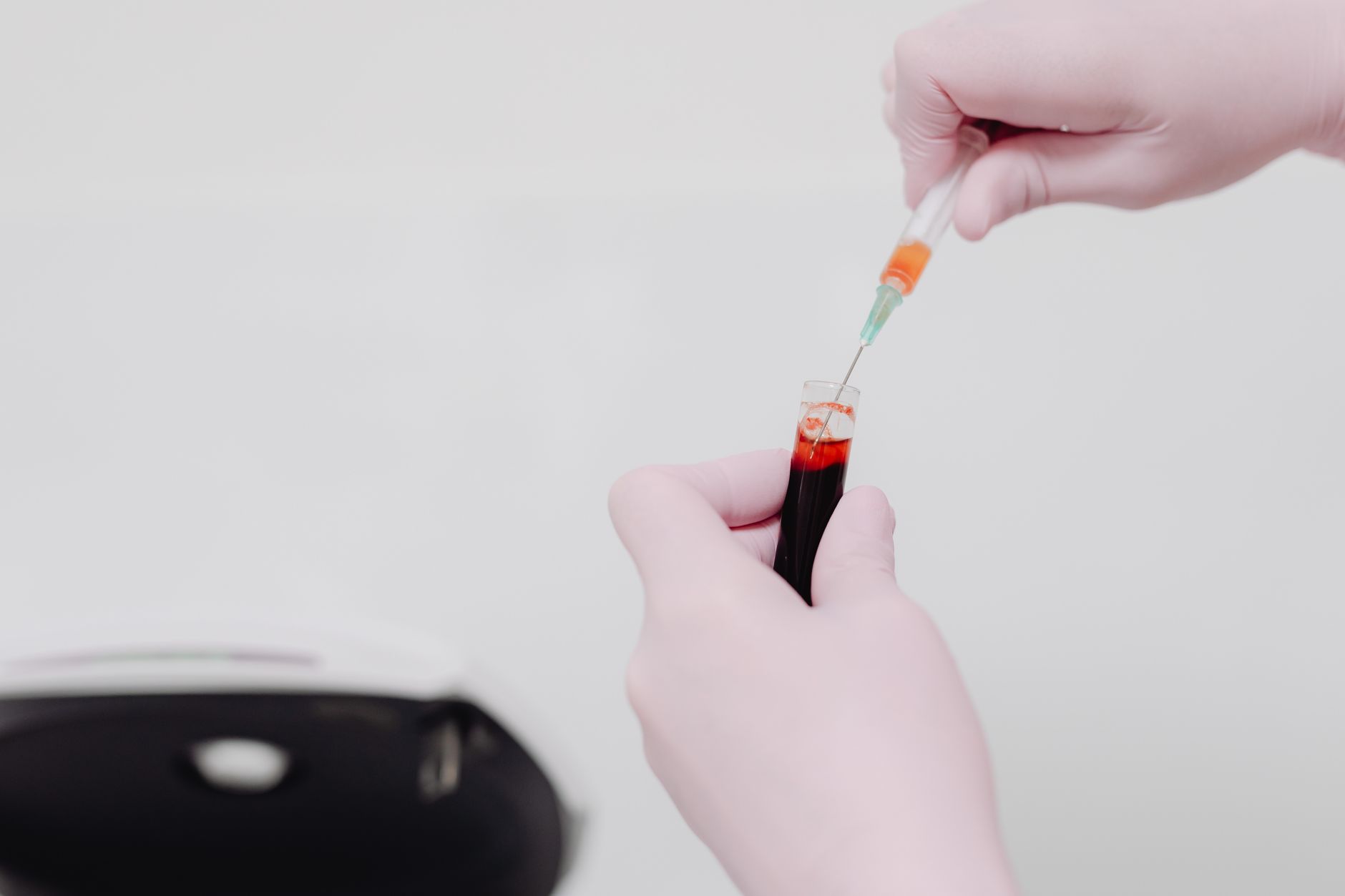
Scientists have developed a new maternal blood test capable of detecting thousands of serious genetic conditions in a developing fetus, a breakthrough that could significantly reduce the need for invasive prenatal screening methods like amniocentesis. The test, described at the European Society for Human Genetics conference, analyzes tiny fragments of fetal DNA circulating in the mother’s bloodstream.
This non-invasive fetal sequencing (NIFS) technique uses advanced sequencing and computing methods to identify genetic variants across nearly 23,000 genes. In a validation study involving 565 pregnancies, researchers found the test accurately identified 95-99% of genetic variants detected by invasive methods, and over 97% of clinically relevant variants.
Dr. Christopher Whelan, a senior computational scientist at the Broad Institute of MIT and Harvard University, stated that the test can detect a vast majority of conditions found on major newborn and fetal anomaly panels, including cystic fibrosis, Noonan syndrome, Charge syndrome, Stickler syndrome, and achondroplasia. He suggested NIFS could serve as a frontline screening tool, particularly when fetal anomalies are detected via ultrasound or other screening tests.
Expanding Prenatal Diagnostics
While non-invasive blood tests for prenatal diagnostics already exist, they have typically been limited to detecting a small number of conditions, such as Down’s syndrome. The NIFS technique represents a significant expansion, aiming to cover almost all genetic conditions typically included in newborn screening panels.
Currently, invasive procedures like amniocentesis and chorionic villus sampling (CVS) are used for definitive diagnosis. Amniocentesis involves collecting amniotic fluid and carries a risk of miscarriage in about one in 200 pregnancies. Many women decline these procedures due to the associated risks, stress, access issues, and cost, despite their high diagnostic accuracy.
Potential Benefits and Concerns
Researchers envision NIFS as a safer, equally accurate alternative for all pregnancies. Early diagnosis of certain conditions can inform crucial decisions regarding pregnancy management, delivery, and newborn care.
However, experts also raised potential concerns. Professor Angus Clarke, a clinical geneticist at Cardiff University, noted that while the technology is an impressive technical feat, using it for broad exploratory screening could identify genes of unknown significance. This might cause significant anxiety for parents and lead to unnecessary medical surveillance for infants.
Professor Alexandre Reymond of the University of Lausanne, who was not involved in the research, hailed the development as a “tour de force” that could revolutionize reproductive medicine by opening up new avenues for treatment and prevention. The researchers’ findings were compared against amniocentesis or CVS, confirming the test’s high accuracy.

Helene Elliott is the Lead Science & Space Reporter at News Raise. She reports on aerospace missions, astrophysics discoveries, quantum research, and environmental technology.