Fitbit has launched the Fitbit Air, a new wearable device that emphasizes a minimalist, screen-less design and incorporates an artificial intelligence (AI) coach to assist users with their fitness goals. Positioned as one of the most anticipated wearable releases of 2026, the Fitbit Air aims to attract users with its straightforward approach and accessible price point.
Design and Features
The Fitbit Air features a compact, screen-less module weighing just 11 grams, designed to be unobtrusive and comfortable for 24-hour wear, including during sleep. It comes standard with a Performance Loop Band made from recycled materials, with alternative silicone and polyurethane band options available for purchase. The device is water-resistant up to 50 meters and boasts a battery life of approximately seven days on a single charge.
Its health sensors include an optical heart rate monitor, a 3-axis accelerometer, and a temperature sensor. While the device does not display notifications, it can be set to wake the user with a subtle vibration alarm. The design is intended to be a low-distraction alternative to smartwatches, allowing users to focus on their fitness data, which is accessed through the accompanying Google Health app.
Google Health App and AI Coach
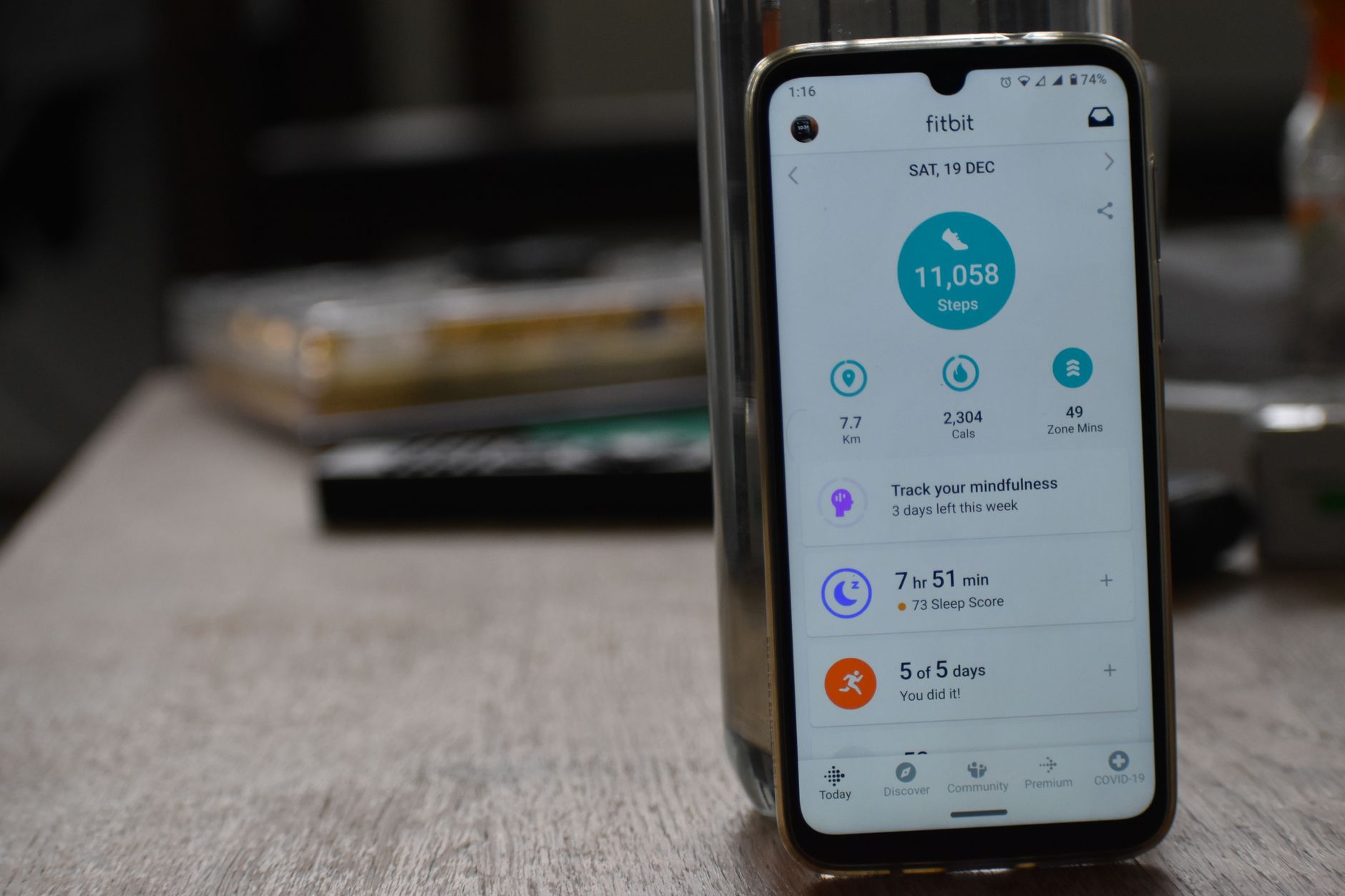
The Fitbit Air requires the Google Health app, which consolidates features previously found in the Fitbit and Google Fit apps. The app offers a free tier with access to basic health data, including steps, readiness scores, and sleep tracking. However, to utilize the AI Coach, a Google Health Premium subscription is necessary, costing $10 per month or $100 annually. This subscription can also be bundled with the Google AI Pro subscription for $20 per month.
The AI Coach is designed to provide users with insights into their sleep, daily exercise, and workouts. It can factor in external data like weather trends and user-provided information on medications. The app presents key data points on its main screen, with more detailed graphs and historical information accessible through various tabs dedicated to fitness, sleep, and overall health vitals. While the app’s interface is modern, users may need time to navigate and locate specific data, as information is sometimes nested under multiple taps.
Performance and Competition
In terms of performance, the Fitbit Air has been compared to other wearables such as the Oura Ring 4, Whoop MG, and Samsung Galaxy Watch 8. While it generally aligns with competitors on average heart rate during workouts, it has shown a tendency to overestimate calorie burn. During sleep tracking, the Fitbit Air has also reported a higher average resting heart rate compared to the Oura Ring and Whoop.
The device relies on the user’s smartphone for GPS data, as it lacks built-in GPS. A notable point of critique is the syncing speed of data between the Fitbit Air and the Google Health app, which can experience delays, potentially leading to outdated information or advice appearing after the optimal time.
Priced at $100, the Fitbit Air enters a competitive market of screen-less trackers and smartwatches. Its appeal lies in its simplicity, extended battery life, and the integrated AI coaching feature, particularly for beginners and casual exercisers who might find the Google Health app’s depth overwhelming.

Steve Lopez is a Senior Editorial Columnist and Health & Public Policy reporter for News Raise. Steve focuses on healthcare advancements, medical technologies, and public health policies.