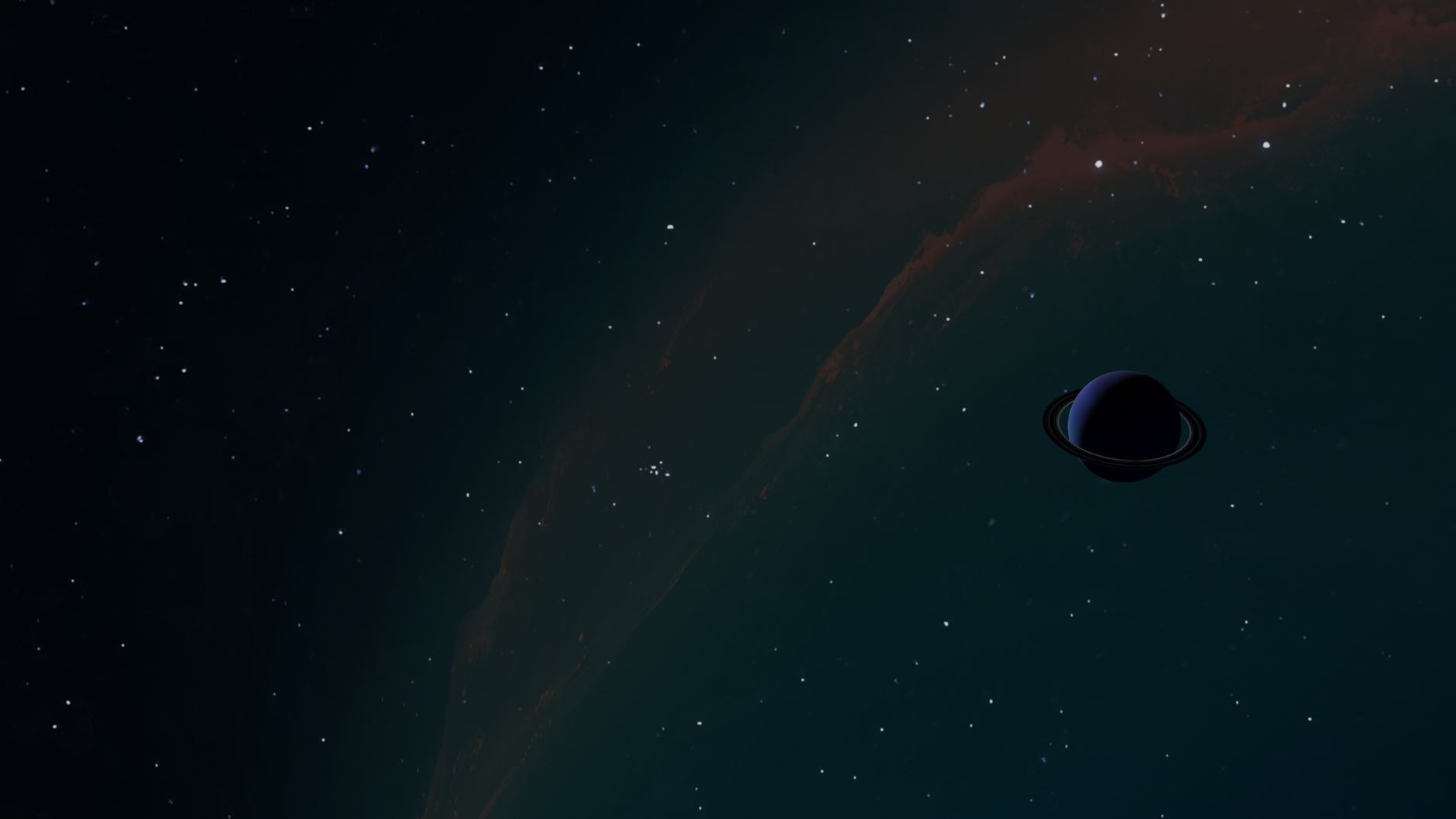
Astronomers have discovered a pair of giant planets, larger than Jupiter, that possess a density lighter than cotton candy. These newly identified celestial bodies are the largest exoplanets found to date with a density less than that of cotton candy.
Featherweight Worlds Discovered
The two planets orbit a star located 1,110 light-years from Earth. George Dransfield of the University of Oxford stated that these planets are the lightest known for their substantial size. She compared their densities to “a nice blob of shaving foam, fresh from the can.” The findings were reported by Dransfield and her team in the journal Monthly Notices of the Royal Astronomical Society.
Dransfield speculates that these unusually fluffy and wispy planets are likely white or blue in color, depending on atmospheric conditions, rather than pink like cotton candy. Their composition is thought to be primarily hydrogen and helium, though further observations by NASA’s Webb Space Telescope are needed for confirmation.
Detection and Characteristics
These exceptionally puffy planets were detected by NASA’s Tess satellite over the last decade. They orbit a star in the southern constellation Volans, also known as the flying fish. Using ground-based telescopes, researchers were able to study the planets’ orbits to determine their density from their distant location. For context, a light-year is equivalent to nearly 6 trillion miles (9.7 trillion kilometers).
In comparison, Jupiter is approximately 35 times denser than these two newly found lightweight planets. Super-puffs are considered rare in the universe and are believed to form within the gas and dust disks surrounding newborn stars, particularly in environments with more gas than dust. Over time, these planets tend to shed much of their material, further reducing their density.
Super-Puffs in the Cosmos
NASA has cataloged nearly 6,300 confirmed worlds outside our solar system. According to Dransfield, fewer than 40 of these are classified as super-puffs. Studying such unusual and rare types of planets contributes to a broader understanding of planet formation and humanity’s place in the cosmos, Dransfield explained.

Norman Pearlstine is the Executive Editor and Co-Founder at News Raise. With over two decades of experience across financial journalism, corporate governance, and market analysis, Norman leads the editorial direction and ensures strict adherence to journalistic accuracy and ethics.