A diet focused on reducing inflammation may significantly lower the risk of developing dementia, particularly for individuals predisposed to cognitive decline, according to recent research. While healthy eating has long been associated with improved cognitive function and delaying degenerative brain disorders, this study points to a specific dietary approach as being paramount.
The study utilized the reversed Empirical Dietary Inflammatory Index (rEDII), a system designed to measure how overall food intake influences inflammation. Participants adhering to the rEDII protocol prioritized foods known for their anti-inflammatory properties. Researchers found that among those at higher risk for Alzheimer’s disease, only the group following this specific diet demonstrated a notable reduction in risk.
The Role of Inflammation and Diet
Emily Case, a registered dietitian at Northwell Health, explained that inflammation is a key factor in the aging process and the development of chronic diseases like Alzheimer’s, cancer, and diabetes. She likened inflammation to a “bodily bonfire,” where dietary choices can either intensify or dampen its effects. Oxidative stress, often stemming from chronic inflammation, accelerates aging and contributes to these diseases.
Previous research has already established the brain-boosting benefits of established eating plans such as the DASH diet, known for its heart-healthy properties, and the Mediterranean diet, which emphasizes whole foods, produce, whole grains, and healthy fats. Case noted that these diets can help prevent and delay cognitive decline, though they do not reverse existing decline.
Key Anti-inflammatory Foods
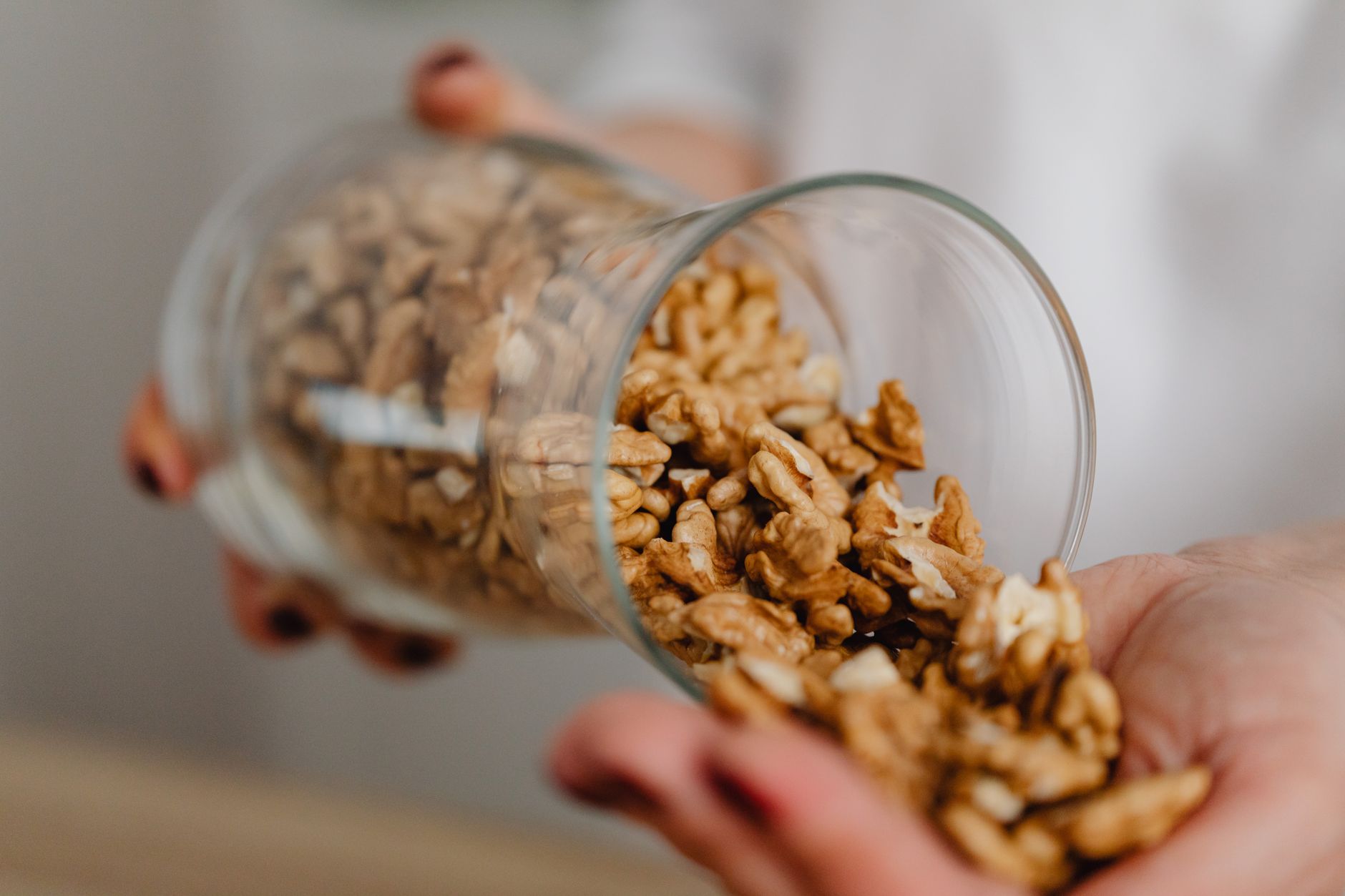
For those looking to adopt an anti-inflammatory eating pattern, Case recommends incorporating antioxidant-rich foods like berries and dark leafy greens. Foods high in omega-3 fatty acids, such as salmon and walnuts, are also beneficial. Additionally, she highlighted the importance of fiber from sources like whole grains, legumes, fruits, vegetables, nuts, and seeds, alongside healthy fats found in avocados, olive oil, and nuts.
“Anything that improves our heart health will also reduce inflammation in our body,” Case stated. She emphasized that individuals with a family history of Alzheimer’s disease should pay close attention to their dietary choices and lifestyle habits, as these can significantly influence the trajectory of brain health.
Beyond nutrition, Case also advises prioritizing sleep and reducing the consumption of red meat and meals high in saturated fat to “elongate the good part of life.” While acknowledging that cognitive decline may not be reversible, she maintained that improving diet can help prevent a more aggressive progression of symptoms.
Dementia affects a significant portion of the older adult population, with projections indicating a doubling of new cases in the coming decades. The economic and mortality tolls are substantial, underscoring the importance of preventative strategies.

Helene Elliott is the senior reporter for News Raise. She covers Science news. She also has a keen interest in photojournalism. Helene holds a nomination for the prestigious Red Smith Award. She is married to author Dennis D’Agostino, a former publicist with the New York Mets.