A growing body of evidence suggests that the shingles vaccine may provide significant protection for older adults against dementia. While the precise biological pathways are not fully understood, researchers believe the nervous system plays a key role.
Inflammation and Brain Health
Shingles, caused by the reactivation of the varicella-zoster virus, can lead to inflammation in the brain, according to Dr. Jennifer Pauldurai, medical director of the Inova Brain Health and Memory Disorders Program. The virus, which remains dormant in the peripheral nervous system after a chickenpox infection, can re-emerge years later, often causing a painful rash. This reactivation and subsequent inflammation are thought to disrupt brain health.
“When the brain is stressed or challenged with any kind of illness, underlying risks for dementia become more apparent,” Pauldurai explained. “We are more likely to get dementia when our brain is not as healthy as it could be, had we not gotten sick from shingles.” The vaccine, by guarding against the disease itself, may therefore indirectly protect against dementia.
Study Findings
A study published in the Annals of Internal Medicine on June 16 analyzed health records of over 509,000 individuals aged 66 and older admitted to U.S. nursing facilities between 2017 and 2022. The research indicated that patients who received at least one dose of the shingles vaccine within a year of admission had a 5.8% lower risk of developing dementia over the subsequent four years. The study’s lead author, Kaley Hayes from Brown University, described the robust protection as surprising.
International studies have reported similar findings. Research involving over 282,000 older adults in Wales, published last year in Nature, associated shingles vaccination with a 3.5% reduced dementia risk over seven years. In Australia, a study of more than 101,000 older adults, published in the Journal of the American Medical Association, linked vaccine eligibility to a 1.8% dementia risk reduction over 7.4 years. Similarly, a Canadian study of over 232,000 individuals, published in The Lancet Neurology, found a 2% lower dementia risk over 5.5 years for those eligible for the vaccine.
Potential Mechanisms
The varicella-zoster virus is responsible for both chickenpox and shingles. Past research has already established a link between shingles infection and an increased risk of dementia. For instance, a study last year found that older adults hospitalized with severe shingles had a 13% higher risk of dementia compared to the general population.
Dr. Timothy Chang, an assistant professor of neurology at UCLA, theorizes that the reactivated shingles virus might trigger the buildup of amyloid and tau proteins in the brain, which are associated with Alzheimer’s disease. He also suggests the vaccine could bolster overall immunity, indirectly reducing neuroinflammatory processes. Research has also indicated that the shingles vaccine is linked to a lower dementia risk compared to influenza and Tdap vaccines.
Hayes further noted that shingles is also associated with an increased risk of heart disease and stroke, conditions that can negatively impact brain health. Reduced oxygen supply to the brain due to these conditions is directly correlated with cognitive function.
Vaccine Considerations
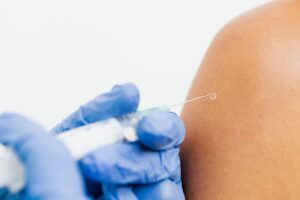
In the U.S., individuals aged 50 and older are eligible for two doses of Shingrix, the currently FDA-approved shingles vaccine. While earlier studies primarily focused on the now-discontinued Zostavax vaccine, newer research suggests Shingrix may offer comparable neuroprotection. However, some findings indicate the benefit may be less pronounced in men.
Despite these findings, vaccination rates remain relatively low. As of 2022, only about a third of U.S. adults aged 50 and older had received at least one dose of a shingles vaccine. Access and cost are generally not significant barriers, as Shingrix is widely covered by insurance. Experts suggest that the need for an extra step to schedule appointments may be a factor.

Helene Elliott is the senior reporter for News Raise. She covers Science news. She also has a keen interest in photojournalism. Helene holds a nomination for the prestigious Red Smith Award. She is married to author Dennis D’Agostino, a former publicist with the New York Mets.