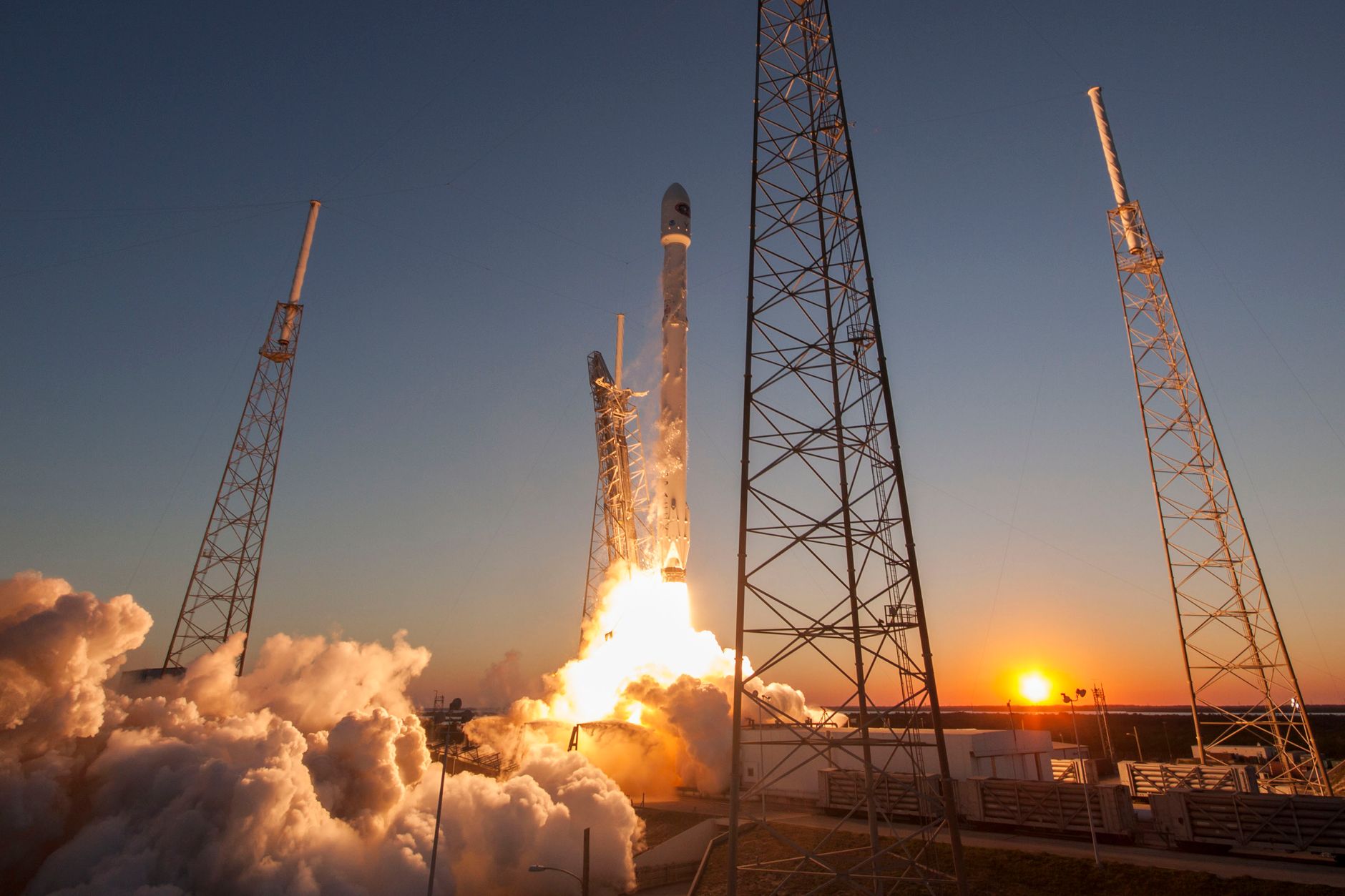
SpaceX successfully launched its latest rideshare mission, Transporter-17, on July 7, deploying 81 payloads into sun-synchronous orbit. The mission lifted off from Vandenberg Space Force Base in California at 3:12 a.m. Eastern time aboard a Falcon 9 rocket.
Industry Anxiety Over Rideshare Program’s Future
The launch occurred as significant concerns circulate within the space industry regarding the long-term availability of SpaceX’s rideshare program. These missions have provided a crucial, cost-effective avenue to space for numerous small satellite operators. However, reports suggest SpaceX may be limiting future Transporter reservations beyond late 2028 or early 2029, with existing manifest slots nearing capacity.
Companies that have historically relied on or brokered rideshare launches, such as Exolaunch and SEOPS, are reportedly seeking to secure their own dedicated Falcon 9 rideshare launches in response to these concerns. SpaceX has not publicly commented on the claims about winding down or altering the Transporter program.
Payload Mix and Customer Reliance
Transporter-17 carried a diverse array of payloads, including hosted payloads and spacecraft destined for later deployment via orbital transfer vehicles. The mission was anchored by CAS500-4, a 514-kilogram South Korean imaging satellite intended for agricultural and forestry applications. This follows the launch of a similar spacecraft, CAS500-2, on a SpaceX rideshare mission in May.
The mission also included multiple satellites from established customers building or refreshing their constellations. Iceye contributed four radar-imaging satellites, Spire launched 10 of its Lemur satellites, and Japanese Earth observation company Axelspace deployed seven of its GRUS-3 imaging spacecraft.
Concerns About Falcon 9 Availability
Adam Spice, chief financial officer of Rocket Lab, a competing launch provider, voiced significant industry anxiety during a July 7 Spacetide conference. He described the customer conversations about accessing the Falcon 9 rocket in the last three to six months as experiencing “panic.”
Spice indicated that many in the industry lack confidence in Falcon 9’s availability for the commercial market beyond its current committed manifest. He posited that SpaceX is likely to prioritize its own internal customers, such as Starlink and its planned orbital data center system, over third-party payloads.
“When you look at the ambitious plans for SpaceX, their internal consumption is probably the most compelling opportunity for them,” Spice stated. “They would much rather take another Starlink or data center satellite up into orbit than take anybody else’s stuff up.”
This perceived shift in Falcon 9 availability has influenced Rocket Lab’s planning for its Neutron medium-lift rocket, including discussions with customers about longer-term launch agreements and block buys. Spice suggested that securing launch capacity is becoming increasingly difficult, forecasting that the current situation may only be the beginning of these challenges.

Helene Elliott is the senior reporter for News Raise. She covers Science news. She also has a keen interest in photojournalism. Helene holds a nomination for the prestigious Red Smith Award. She is married to author Dennis D’Agostino, a former publicist with the New York Mets.