The global cancer burden is projected to increase by nearly 70% by 2050, with annual cases rising from an estimated 20.6 million in 2024 to 35 million, according to a new report from the World Health Organization (WHO). This significant rise, expected to be approximately 67% worldwide, is largely attributed to aging populations and continued exposure to known risk factors such as tobacco and alcohol. Enhanced detection methods are also contributing to the higher number of identified cases.
While all regions are expected to see an increase in cancer incidence, Africa and the Eastern Mediterranean are forecast to experience the steepest growth. The report also highlights significant disparities in survival rates, indicating that many individuals are being left behind in the global fight against cancer.
Survival Inequities and Emerging Drivers
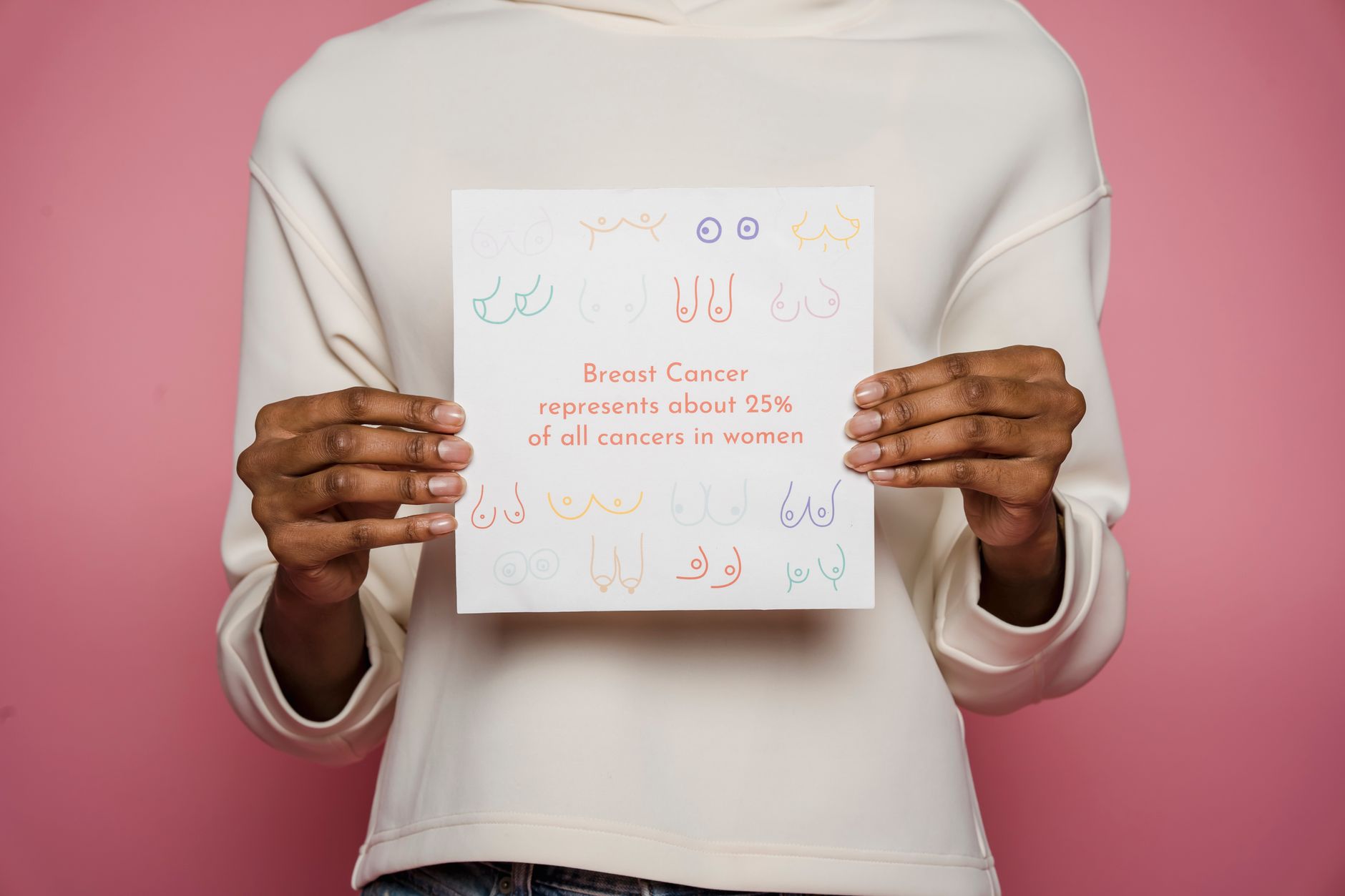
Andre Ilbawi, the WHO team lead for cancer control, stated that “far too many people are being left behind.” In high-income countries, survival rates for common cancers like breast and prostate can approach 80% to 90%, supported by advancements in screening and treatments such as immunotherapy. Conversely, in low-income nations, breast cancer survival rates can drop below 30%. The report notes that cervical cancer, which has been nearly eradicated in some parts of Europe and North America, remains a leading cancer in many sub-Saharan African countries.
The report credits progress in tobacco control and HPV vaccination but identifies unchecked obesity as an emerging driver of cancer. Ilbawi warned, “It will be a significant added burden for every country globally when cancers associated with obesity become the norm,” predicting this could occur in a substantial number of countries within the next two to three decades.
Addressing Preventable Risk Factors
The WHO report identified “persistent and widening” inequities in access to cancer prevention and treatment services globally. Many patients are reportedly forced to discontinue treatment due to associated costs. However, a positive finding highlighted by Isabelle Soerjomataram, deputy head of the International Agency for Cancer Research’s surveillance unit, is that “four in 10 new cancer cases are linked to risk factors which we already know how to address.” These addressable risk factors include tobacco use, certain infections, alcohol consumption, and excess body weight.

Mitchell Landsberg is a Senior Technology Correspondent at News Raise. He covers consumer electronics, artificial intelligence, software developments, and digital privacy trends.