Angela Newman, a 57-year-old resident of Biltmore Forest, North Carolina, experienced a range of bizarre symptoms, including blurry vision, stiff neck, and numbness, which were initially dismissed by doctors as anxiety or depression. However, after a friend suggested she might have Lyme disease, Newman insisted on a test, which came back positive. The diagnosis took five years to make, and Newman had to fight for it, despite her doctor’s initial skepticism.
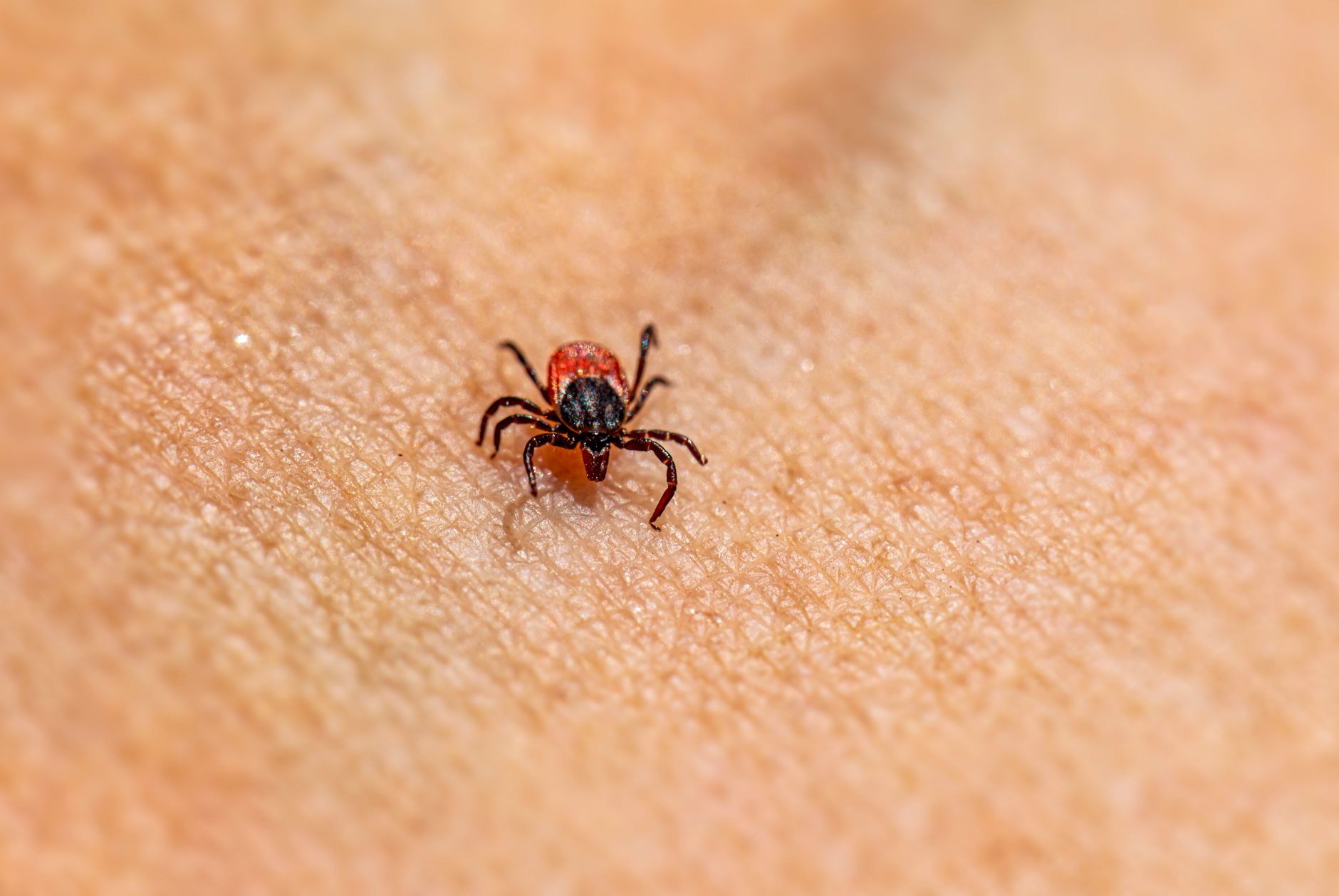
Newman’s experience is not unique, and new research published by the Centers for Disease Control and Prevention (CDC) highlights the growing threat of Lyme disease in unexpected places, including the southern United States. The study, led by Dr. Ross Boyce of the University of North Carolina School of Medicine, found that blacklegged ticks, which carry the bacteria that cause Lyme disease, are abundant in North Carolina, with over 39% of adult ticks testing positive for the bacteria.
Tick-Borne Illnesses on the Rise
The research also discovered other types of disease-causing bacteria in North Carolina ticks, including Anaplasma phagocytophilum and Borrelia miyamotoi, which can cause flu-like symptoms in humans. These findings are significant, according to Mark Soloski, senior adviser of the Lyme Disease Research Center at Johns Hopkins Medicine, and highlight the need for doctors to be aware of the growing threat of tick-borne illnesses in the region.
Lyme disease is the most prevalent tick-borne illness in the US, with nearly half a million people diagnosed every year. The disease is typically associated with the Northeast and Upper Midwest, but the new research suggests that it is spreading to other parts of the country. As winters become warmer, deer, mice, and other rodent populations are moving to different parts of the country, bringing ticks with them and increasing the risk of infection.
Critical Need for Testing and Awareness
The migration of ticks appears to have outpaced both awareness of the threats and the ability to test for the illnesses they cause. Current tests for Lyme disease can take up to six weeks to generate results, delaying diagnoses and potentially missing early infections. Improved tests are needed to help clinicians identify Lyme disease earlier and to better characterize patients for clinical trials and biomarker research.
Until such research is conducted, doctors may want to consider Lyme and other tick-borne illnesses in patients with otherwise unexplained symptoms, even in places where it’s not considered commonplace. As Soloski noted, the niches that ticks can find to flourish are increasing, and it’s essential for doctors to be aware of the growing threat of tick-borne illnesses.
The town of Biltmore Forest, where Newman lives, is taking steps to raise awareness of the tick-borne threat. Newman and the town manager, Jonathan Kanipe, have mobilized a community group to educate residents about the risks of Lyme disease and other tick-borne illnesses. The efforts caught the attention of UNC’s Boyce, leading to the research published by the CDC.

Mitchell Landsberg is a Senior Technology Correspondent at News Raise. He covers consumer electronics, artificial intelligence, software developments, and digital privacy trends.