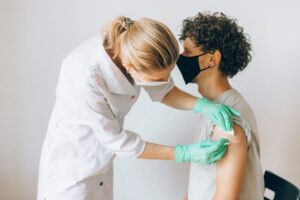
As temperatures drop and indoor gatherings increase, health officials in the Miami Valley are calling on residents of all ages to receive the seasonal flu vaccine. Dr. Don Brannen, an epidemiologist with Greene County Public Health, emphasized that the influenza virus does not discriminate based on age or health status, and can quickly progress from the upper airway to the lungs, potentially causing pneumonia.
Timing and expected surge
The Centers for Disease Control and Prevention (CDC) advises that September and October are the optimal months for vaccination, because flu activity generally rises in November. Dr. Brannen warned that a “moderately severe spike” is anticipated in the region, and noted that a rise in cases was already observed in the previous week.
Who should prioritize the shot
While the recommendation applies to everyone, the doctor highlighted certain groups that should act promptly. Adults aged 65 and older and individuals with weakened immune systems are urged to secure the vaccine now rather than later. For children who require two doses, parents are advised to begin the series early so the second dose can be administered by the end of October, allowing the full two‑week period needed for antibody development.
Addressing common misconceptions
One frequent myth the health department seeks to dispel is the belief that the flu shot can cause the illness. Dr. Brannen clarified that the vaccine may cause mild soreness at the injection site or a low‑grade fever as the body builds antibodies, but it does not transmit the flu virus. He also reminded the public that prior infection does not guarantee future immunity, because the virus mutates each year. “Even if you’ve had the virus, flu kind of adapts every year,” he said, noting that current circulating strains differ slightly from those in previous seasons.
For individuals who contract the flu before receiving the vaccine, Dr. Brannen suggested waiting about a week after recovery before getting the shot.
Basic preventive habits
In addition to vaccination, the epidemiologist reiterated standard hygiene practices that reduce transmission risk. Regular handwashing—especially after handling dirty objects and before meals—remains a cornerstone of protection. Maintaining a six‑foot distance from anyone who is coughing or sneezing, and wearing a mask when symptomatic, were also recommended as effective measures.
By understanding personal risk and adopting both vaccination and everyday precautions, residents can help curb the impact of the upcoming flu season, according to Greene County health officials.

Helene Elliott is the Lead Science & Space Reporter at News Raise. She reports on aerospace missions, astrophysics discoveries, quantum research, and environmental technology.