Pasco, Hillsborough and Pinellas counties in Florida announced states of emergency on Sept. 23 as the state’s dengue fever outbreak expands. The emergency declarations give local officials the authority to speed up mosquito‑control operations, make emergency purchases, coordinate response activities and, where needed, request state or federal assistance. Under state law, each declaration automatically expires after seven days unless renewed.
Scope of the outbreak
The Florida Department of Health’s latest surveillance report, covering case onset through Sept. 19, documented 190 locally acquired dengue infections across six counties. Hillsborough County accounted for the overwhelming majority with 170 cases. The remaining cases were spread among Miami‑Dade (seven), Pinellas (seven), Orange (three), Pasco (two) and Palm Beach (one). These locally transmitted infections are distinct from travel‑related dengue cases that have also been reported in the state this year.
Mosquito‑control response
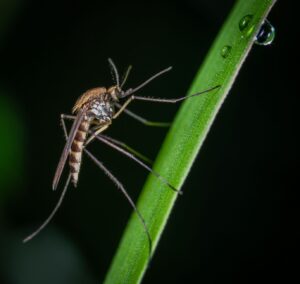
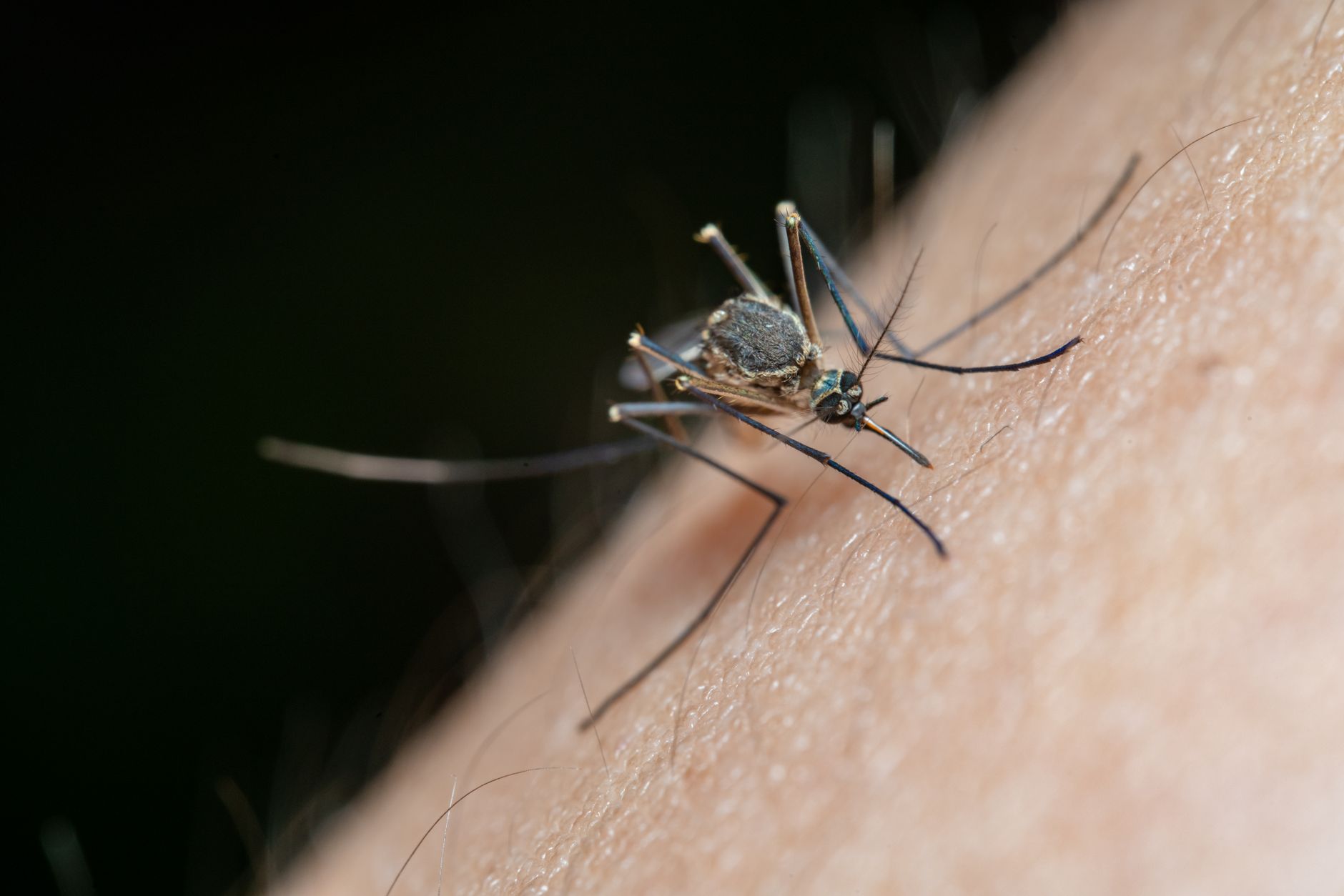
The Florida Mosquito Control Association (FMCA) said crews are intensifying both aerial and ground treatments in areas where the virus has been detected. Inspectors are also checking private properties for potential breeding sites. Because the dengue‑transmitting Aedes mosquito is a container breeder, it lays eggs in any object that holds even a small amount of water—such as buckets, plant saucers, tires, discarded toys and birdbaths. FMCA urges residents to empty or cover standing water around their homes to eliminate these habitats.
An entomologist with the SC Johnson Center for Insect Science and Family Health emphasized that Aedes mosquitoes are active during daylight hours and thrive in Florida’s warm, humid climate. The expert added, “As dengue cases continue to be reported in the Tampa area, taking steps to help prevent mosquito bites is especially important.” The center also recommended using EPA‑registered insect repellents, correctly layering sunscreen and repellent, and wearing long sleeves, light‑colored clothing and closed‑toed shoes when outdoors.
Public health guidance
Health officials note that many dengue infections are asymptomatic, and most symptomatic individuals recover within one to two weeks. However, a subset of patients can develop severe dengue, a life‑threatening condition. Symptoms typically appear four to ten days after a bite and may include fever, severe aches, nausea, rash and, in rare cases, complications such as severe stomach pain, persistent vomiting, unusual bleeding, difficulty breathing, extreme fatigue, irritability or restlessness. Warning signs often emerge quickly after the fever subsides. The Mayo Clinic advises anyone experiencing these signs to seek immediate medical care.
In addition to personal protection measures, the FMCA continues to monitor mosquito activity and adjust treatment zones as needed. Residents are encouraged to stay informed about local mosquito activity, report standing water, and follow the repellent and sunscreen application guidelines provided by health authorities.
The coordinated response across the three counties reflects a broader effort to curb the spread of dengue in Florida, a state that has seen sporadic locally acquired cases in recent years despite the disease’s primary prevalence in tropical and subtropical regions such as Southeast Asia, the Western Pacific, Latin America and Africa.

Steve Lopez is a Senior Editorial Columnist and Health & Public Policy reporter for News Raise. Steve focuses on healthcare advancements, medical technologies, and public health policies.