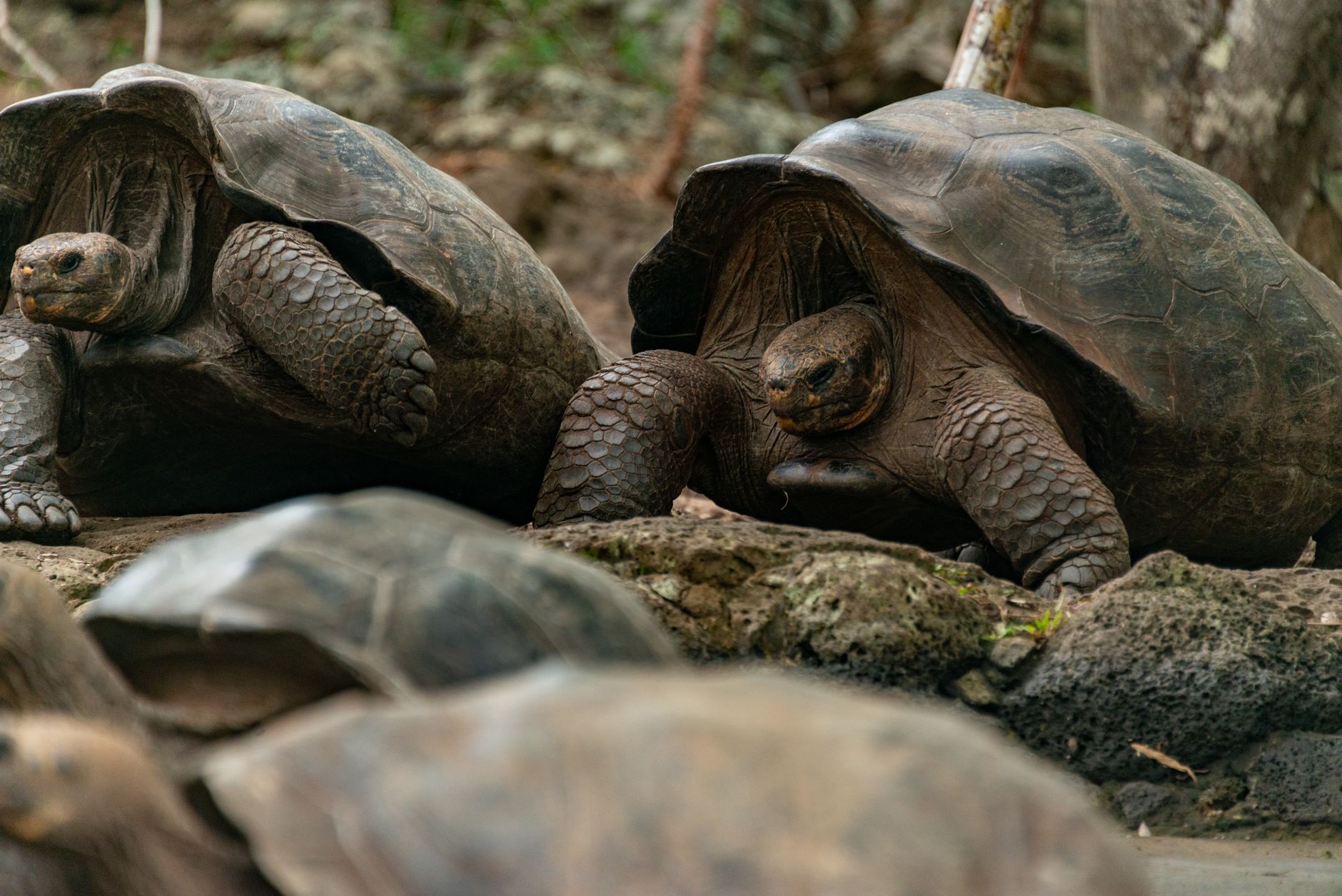
Jonathan, an Aldabra giant tortoise estimated to be 194 years old, is recognized as the world’s oldest living land animal. Native to Aldabra Island in the Seychelles, the species ranks among the largest tortoises and can naturally live beyond 150 years. Jonathan has spent most of his life on Saint Helena, a British Overseas Territory in the South Atlantic, after arriving there as a fully grown adult 144 years ago as a gift to the island’s governor.
Unique gene variants associated with extended lifespan
A team of researchers published their findings in the journal Science Advances, reporting the discovery of 287 distinct gene variants in Jonathan’s genome that appear to mitigate typical ageing processes. The identified genes influence several critical biological pathways, including the reduction of inflammation, regulation of insulin, repair of DNA damage, and suppression of cancer. Similar genetic patterns have been observed in other long‑lived species such as the immortal jellyfish, naked mole rat, and bowhead whale, suggesting a broader evolutionary link between these variants and extreme longevity.
Scientists acknowledge that age‑related decline stems from the accumulation of damage to genetic material, cells, and tissues, a process that is difficult to reverse. While the precise triggers of this damage remain uncertain, the new data highlight how certain genetic configurations can enhance the body’s ability to maintain function over centuries.
Epigenome stability across two centuries
Beyond the DNA sequence, the study examined Jonathan’s epigenome—the set of chemical tags that turn genes on or off. Typically, an animal’s epigenome shifts with age, contributing to the physiological changes associated with ageing. By comparing Jonathan’s epigenetic markers with those of younger Aldabra tortoises, researchers found that the regulatory switches governing DNA repair and metabolism remained remarkably similar to those of his younger counterparts.
“We found that the gene regulators involved in energy production and DNA repair have remained incredibly stable in Jonathan over almost two centuries,” said Justin Gerlach of the University of Cambridge, a co‑author of the paper. The stability of these epigenetic controls may help explain why Jonathan has avoided many age‑related deteriorations that affect other organisms.
Earlier genome work on Lonesome George, the last known Pinta Island giant tortoise who lived to about 100 years, also revealed longevity‑related genes. However, Jonathan’s study is the first to integrate both genomic and epigenomic analyses for a giant tortoise, providing a more comprehensive picture of the mechanisms that support extreme lifespan.
Potential implications for human ageing
The research was led by the longevity‑focused non‑profit Kallel. Its founder, Stephen Clark, emphasized the broader relevance of the findings: “Aging is the greatest risk factor for nearly every chronic disease we face.” By uncovering how certain gene variants and epigenetic configurations contribute to sustained health in a creature that has lived nearly two centuries, the team hopes to inform future therapeutic strategies aimed at slowing or mitigating human ageing.
While the study stops short of proposing specific medical applications, it underscores the value of long‑lived species as natural models for ageing research. As Gerlach noted, “There are few creatures that could tell us more about ageing than the giant tortoises of the Galápagos and Seychelles islands.” Continued investigation of Jonathan’s biology may therefore yield insights that extend far beyond the conservation of a single iconic animal.
The full research article, titled “Epigenetic insights into extreme longevity in the world’s oldest terrestrial animal, Jonathan,” is available through the journal’s website.

Helene Elliott is the Lead Science & Space Reporter at News Raise. She reports on aerospace missions, astrophysics discoveries, quantum research, and environmental technology.