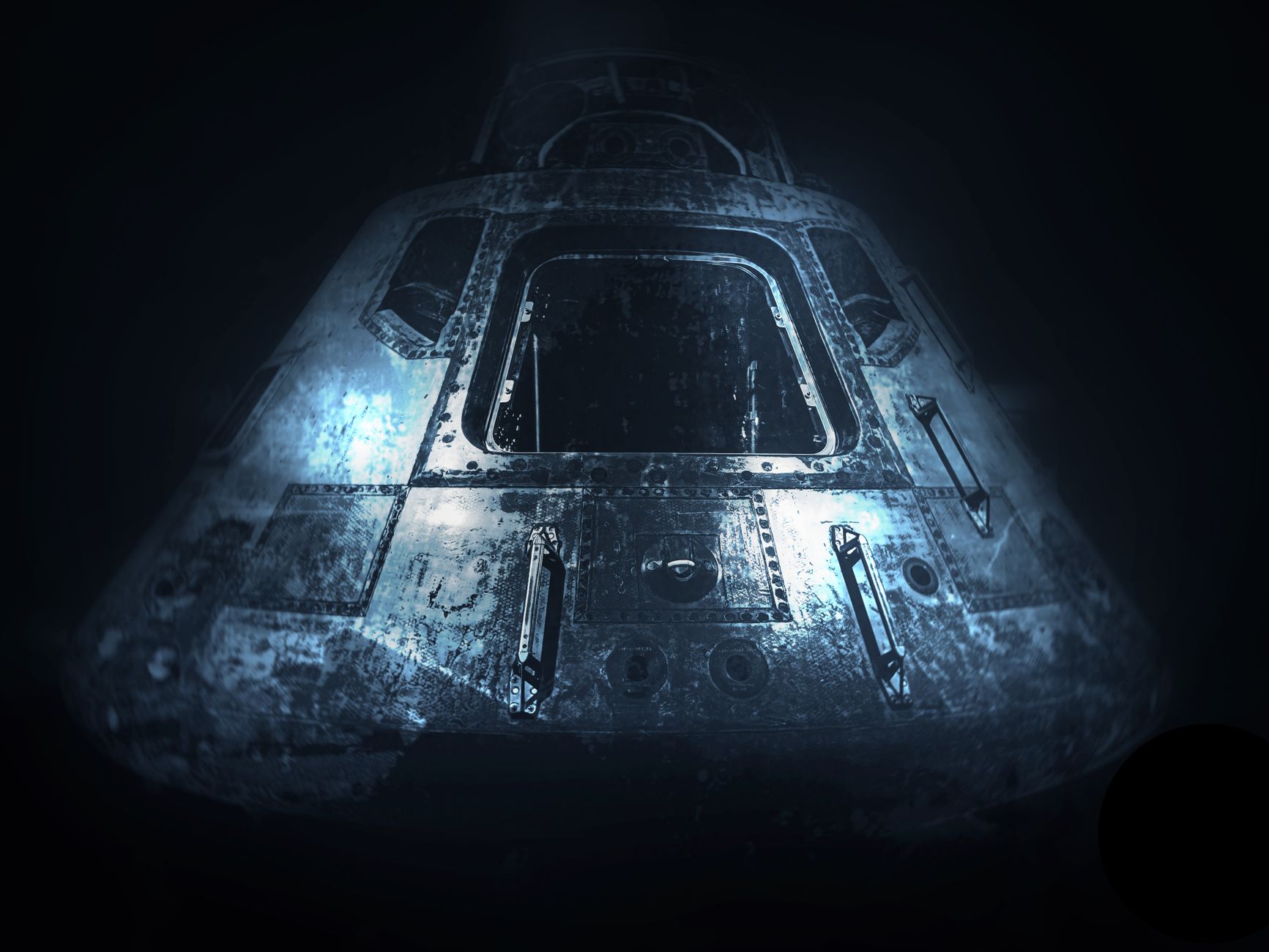
SpaceX’s Crew Dragon capsule Freedom touched down in the Pacific Ocean on Thursday at 11:34 a.m. ET, roughly 50 miles west of Los Angeles, concluding a 27.5‑hour return trip for the four‑person Crew‑12 expedition after a 237‑day stay on the International Space Station (ISS).
Return Journey and Splashdown
The crew undocked from the station’s Harmony module at 8:05 a.m. ET on Wednesday, and SpaceX announced the departure burns on its X platform while the vehicle was still clearing the station. At 10:46 a.m. ET the capsule began a nine‑minute deorbit burn that placed it on a trajectory toward Earth. Thirty‑six minutes later the spacecraft entered the denser layers of the atmosphere at nearly five miles per second. Parachutes deployed at about 18,000 feet, and the four main chutes slowed Freedom to roughly 15 mph before splashdown.
Recovery teams in fast boats secured the capsule, and the recovery ship Shannon hoisted it onto deck with the astronauts still inside. Flight surgeons on board performed initial medical checks, after which each crew member will be transferred ashore by helicopter and later flown to NASA’s Johnson Space Center in Houston for rehabilitation.
Mission Highlights and Crew Backgrounds
Crew‑12 launched on 13 February from Space Launch Complex 40 at Cape Canaveral, a flight that also marked the first Falcon 9 booster landing at SpaceX’s new LZ‑40 pad. Over the course of the mission the crew completed 3,792 orbits, traveled nearly 101 million miles, and conducted four spacewalks to maintain and upgrade the ISS.
The four members were NASA astronauts Jessica Meir and Jack Hathaway, ESA astronaut Sophie Adenot, and Roscosmos cosmonaut Andrey Fedyaev. Meir’s cumulative time in space reached 440 days, placing her among NASA’s top‑10 most‑experienced astronauts. Hathaway and Adenot were on their first spaceflight; Adenot is a French Air Force colonel and former helicopter pilot. Fedyaev previously logged 186 days on Crew‑6 in 2023, making this his second long‑duration Dragon mission.
Future ISS Traffic and Upcoming Launches
With Crew‑12’s departure, the ISS docking port is now available for the next cargo mission, CRS‑35, a Dragon vehicle carrying the final pair of Roll‑Out Solar Arrays for the station. NASA scheduled a post‑splashdown teleconference at 1:15 p.m. ET to discuss the crew’s return and the upcoming cargo launch.
Just a day after Freedom’s splashdown, Crew‑13 arrived on 1 October aboard Crew Dragon Grace, docking only 7 hours 55 minutes after liftoff—the fastest U.S. launch‑to‑docking in ISS history. The new crew includes commander Jessica Watkins, pilot Luke Delaney, Canadian astronaut Joshua Kutryk, and cosmonaut Sergey Teteryatnikov, who will join the three‑person Soyuz MS‑29 crew already aboard the station.
The seamless return of Crew‑12 underscores SpaceX’s growing role in U.S. crewed spaceflight and highlights the continuity of operations on the ISS as new crews and cargo missions rotate through the orbiting laboratory.

Norman Pearlstine is the Executive Editor and Co-Founder at News Raise. With over two decades of experience across financial journalism, corporate governance, and market analysis, Norman leads the editorial direction and ensures strict adherence to journalistic accuracy and ethics.