Scientists using the James Webb Space Telescope (JWST) have identified the galaxy that emitted the most distant fast radio burst (FRB) ever observed, a detection originally made in 2024 by the MeerKAT radio array. The finding, published in Science, offers fresh clues about the origins of these enigmatic millisecond‑scale radio flashes.
Fast radio bursts: a brief overview
Fast radio bursts are brief, intense pulses of radio energy that last only a fraction of a second yet can release as much energy as the Sun emits over three days. First discovered in 2007, the phenomenon remains poorly understood, with only a handful of bursts having been linked to specific host galaxies.
Webb telescope pinpoints the host galaxy
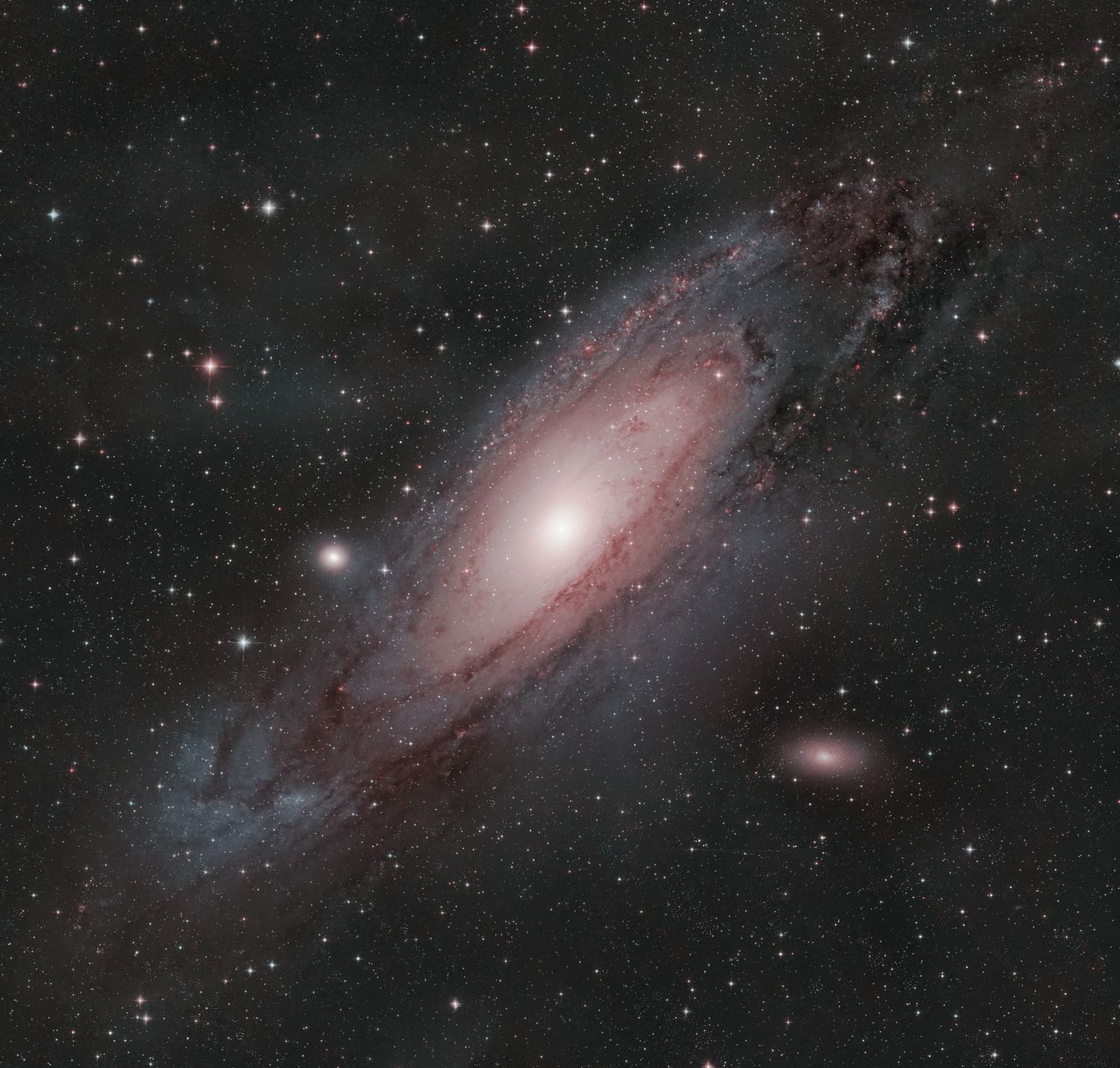
The 2024 FRB was initially detected by the MeerKAT ground‑based telescope array, which flagged the event as the farthest of its kind to date. Follow‑up observations with JWST’s near‑infrared instruments revealed a faint galaxy at the precise sky location from which the burst originated. By measuring the galaxy’s redshift, researchers determined that the burst occurred roughly three billion years after the Big Bang, a period when the universe’s star‑formation activity was at its peak.
Notably, the host galaxy is about 1,000 times smaller than the massive, star‑forming galaxies that have hosted previously identified FRBs. This size discrepancy suggests that FRBs can arise in a broader range of galactic environments than earlier studies implied.
Implications for origin theories
Two leading models have been proposed to explain FRBs. The first posits that bursts result from the merger of two neutron stars—compact remnants of massive supergiant stars. Such mergers typically require billions of years to occur, implying that FRBs produced by this mechanism would be found in older, more evolved galaxies.
The second model attributes FRBs to magnetars—highly magnetized neutron stars born in the aftermath of supernova explosions. Magnetars can emit powerful radio bursts shortly after their formation, aligning with observations of FRBs in younger, actively star‑forming environments.
Manisha Caleb, lead author of the study and a researcher at the University of Sydney, said, “Our work suggests that it is very unlikely that this [fast radio burst] was produced by a merger.” The authors argue that the burst’s early‑universe timing and the unusually small host galaxy favor a supernova‑magnetar origin, providing empirical support for the second hypothesis.
The discovery expands the known diversity of FRB host galaxies and underscores the value of combining radio detections with infrared observations from space‑based platforms like JWST. By locating the burst’s origin, astronomers can now investigate the physical conditions within the host galaxy that may have enabled the event, offering a pathway toward unraveling the broader FRB mystery.
Future observations of additional high‑redshift FRBs will test whether the supernova‑magnetar scenario applies broadly or whether multiple progenitor channels coexist. For now, the Webb‑enabled identification of this distant burst’s galaxy marks a significant step toward decoding one of modern astrophysics’ most puzzling phenomena.

Steve Lopez is a Senior Editorial Columnist and Health & Public Policy reporter for News Raise. Steve focuses on healthcare advancements, medical technologies, and public health policies.