Astronomers using JWST have identified the earliest and most compact quasar duo, challenging existing models of black‑hole growth in the early universe.
Posts tagged as “James Webb Space Telescope”
A new computer‑based image‑processing method called FLIP enabled astronomers to extract the hidden giant planet 51 Eridani b from JWST data, demonstrating a significant boost over traditional techniques.
A bright, distant body named 2026 ED138 was spotted by the Vera Rubin Observatory, and its size may qualify it as a new dwarf planet beyond Neptune.

Astronomers have identified the most distant fast radio burst ever recorded, originating when the universe was three billion years old and traveling 10 billion light‑years to Earth.
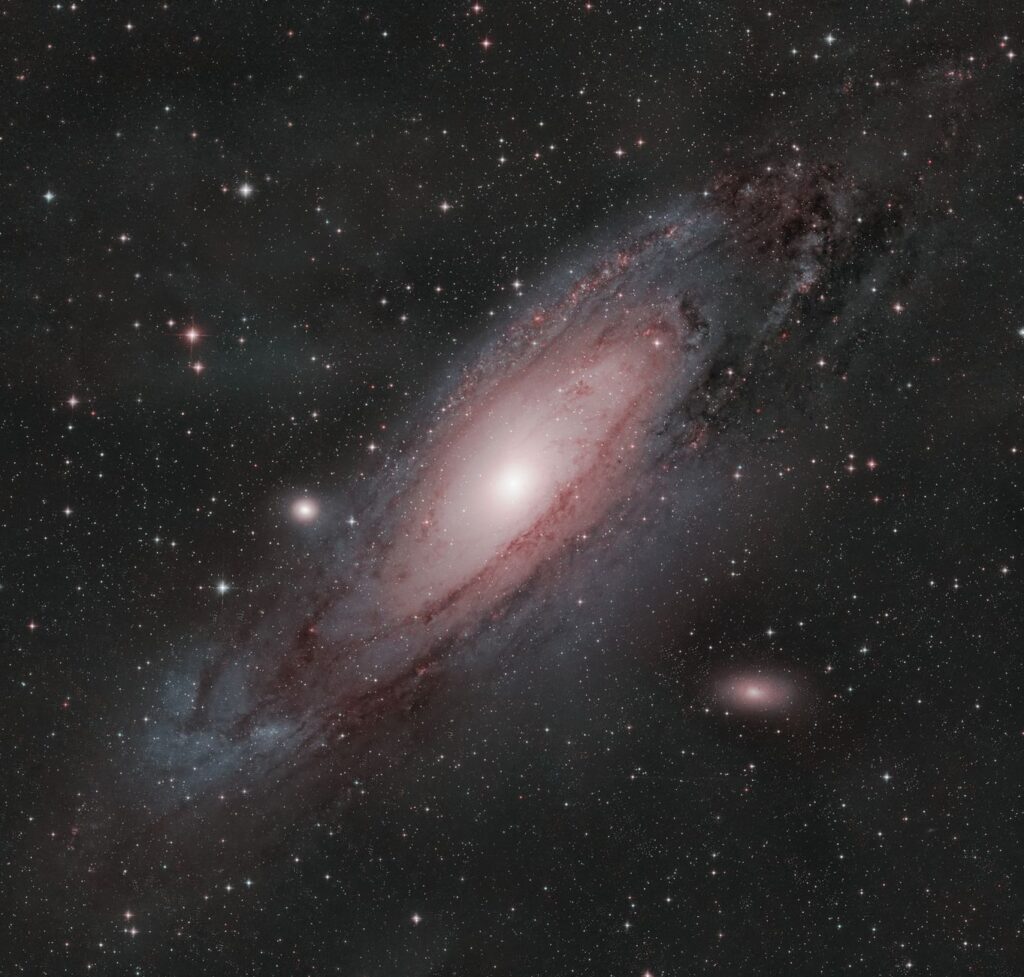
James Webb Space Telescope observations have located the galaxy that produced the most distant fast radio burst ever recorded, shedding new light on the phenomenon’s origins.
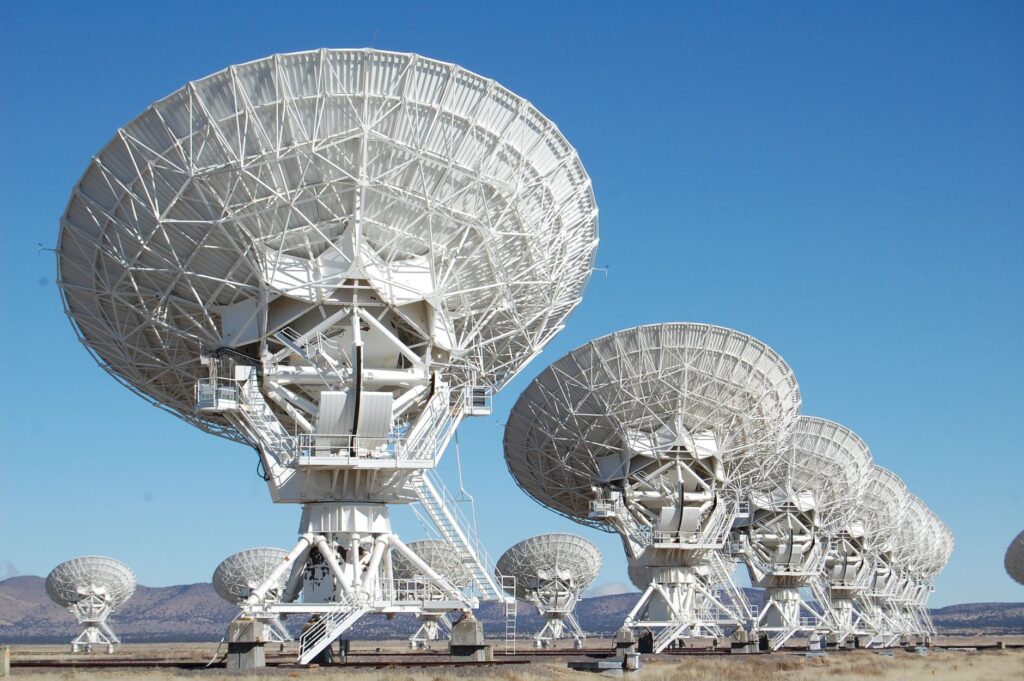
A millisecond radio burst from 10.6 billion years ago has been traced to a tiny, young galaxy, offering new insight into early fast radio bursts and the universe’s magnetic landscape.
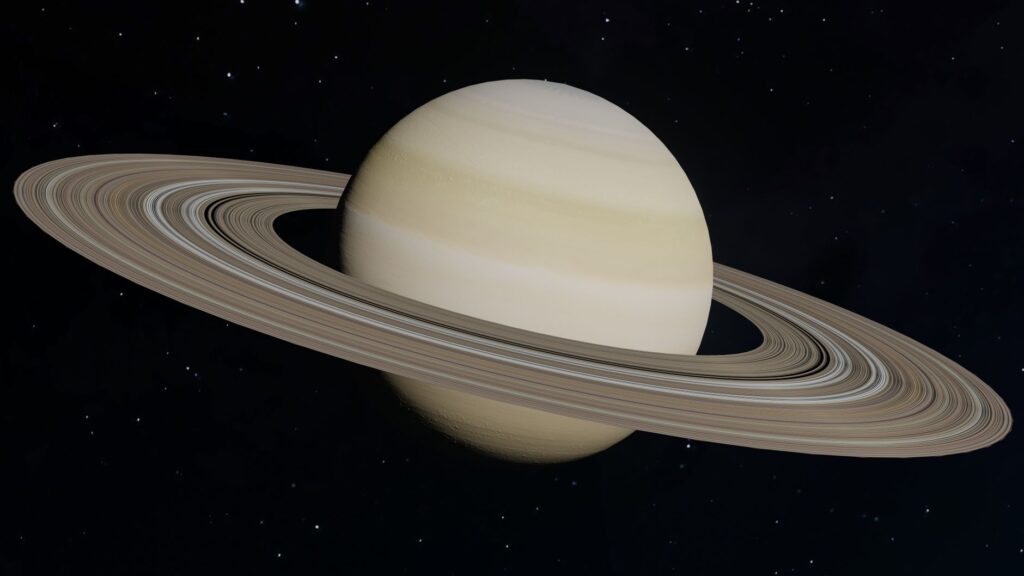
JWST observations reveal that Chariklo’s inner ring has become more opaque while its outer ring has faded, suggesting rapid changes in the distant centaur’s ring system.

New images from the James Webb Space Telescope are revealing previously unseen details of the nearby Centaurus A galaxy, prompting new questions for astronomers about its structure and central black hole.

NASA's James Webb Space Telescope, celebrating its fourth anniversary of public image releases, has revealed a new, detailed view of the active galaxy Centaurus A.

NASA's James Webb Space Telescope has captured an unprecedented view of the starburst galaxy Messier 82, revealing millions of individual stars and intricate details previously obscured by dust.