Researchers from the University of Vienna have uncovered genetic evidence that Ice Age peoples of Europe were far more interconnected than previously thought. Published in Science Advances, the study combines genome data from rare human remains with DNA extracted from cave sediments, offering a new perspective on the Gravettian culture that spanned the continent from roughly 34,000 to 25,000 years ago.
Genomes from human remains show mixed ancestry
A woman whose remains were recovered from Isturitz Cave in southwestern France lived about 30,000 years ago, making her the oldest modern human from that region for which a genome-wide profile is available. While the majority of her ancestry aligns with the western European genetic lineage, a notable portion links to groups from central and eastern Europe. Genetic modeling places the admixture event between 32,500 and 31,500 years ago. A similarly dated individual from Ormesson, also in France, displays the same mixed signal, reinforcing the idea that eastern and western European groups were not isolated.
First‑author Pere Gelabert interprets these findings as evidence that the Gravettian peoples maintained channels of contact across the continent, contradicting earlier genetic work that identified two relatively stable ancestry clusters—one in the east and one in the west. The Isturitz site, therefore, may have functioned as a meeting point where groups from different regions converged.
Sediment DNA fills gaps where bones are absent
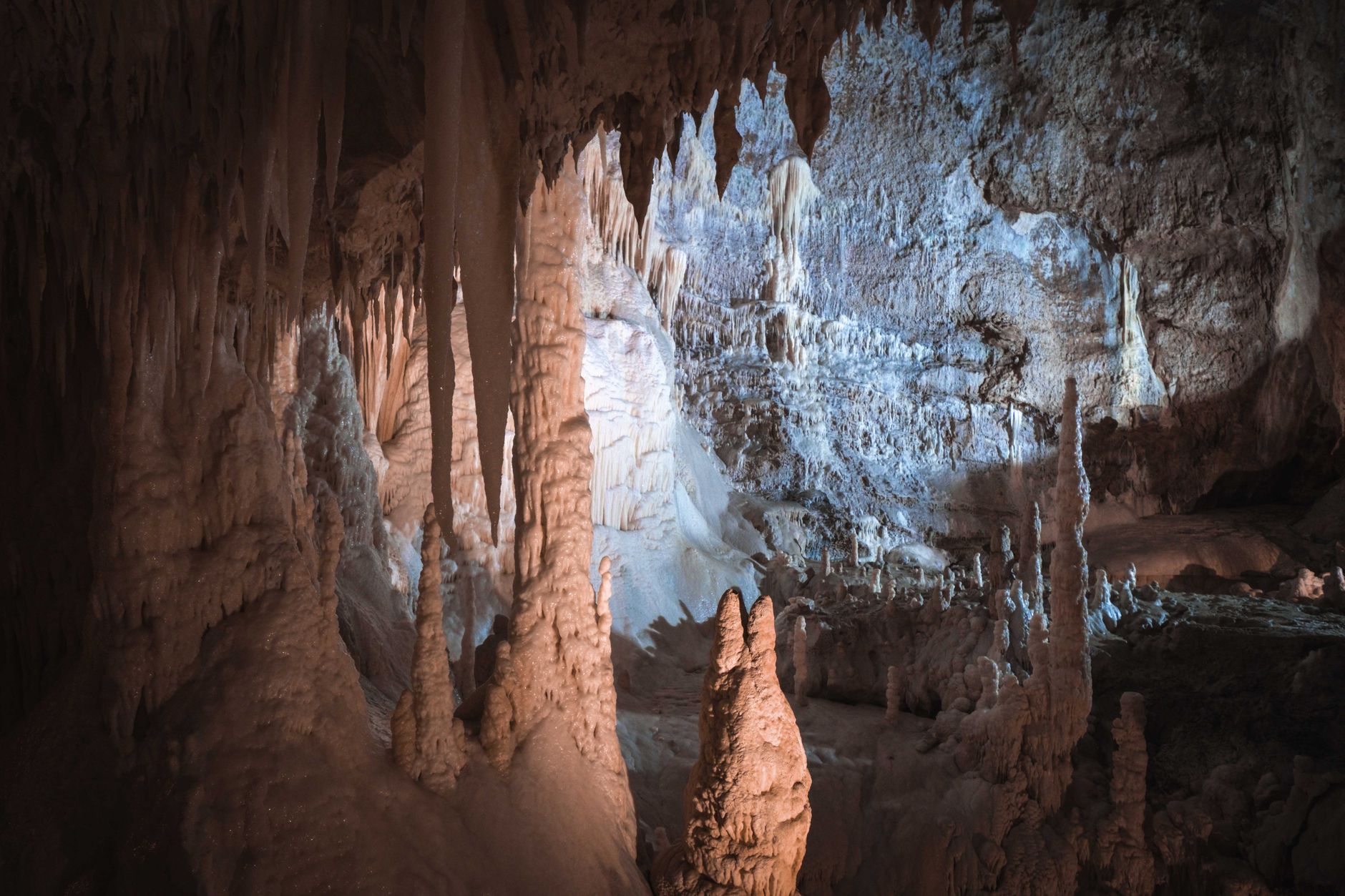
Beyond skeletal remains, the team successfully retrieved human nuclear DNA from sediment in El Mirón Cave in Cantabria, Spain. The sample, dated to a layer 22,000 years old, yielded roughly 14,000 genetic markers despite the absence of any bones or teeth. The DNA matches the Fournol lineage, a genetic signature that persisted through the Last Glacial Maximum (approximately 26,500 to 19,000 years ago). This continuity supports the long‑standing hypothesis that the Iberian Peninsula served as a refuge for human populations during the coldest phases of the Ice Age.
Additional genomes from Chufín Cave in northern Spain demonstrate that western European ancestry remained present in the southwest for thousands of years, underscoring a pattern of regional stability alongside long‑distance gene flow.
Low inbreeding and broader implications
In southern Italy, the researchers examined a male fetal specimen designated Ostuni1b, likely the son of a previously studied woman (Ostuni1). The father appears to belong to the same broader genetic group, yet the parents were not closely related, suggesting mating practices that limited inbreeding. Earlier models had assumed a relatively static local ancestry from the Aurignacian to the Solutrean periods (about 24,000 to 19,000 years ago); the new data challenge that view, indicating more dynamic demographic processes.
Senior author Ron Pinhasi highlights the value of sediment DNA, noting that it enables scientists to reconstruct genetic histories even when physical remains are missing. By linking specific archaeological layers to the ancestry of the people who occupied them, this approach broadens the scope of paleo‑genomic research.
Collectively, the findings illustrate a dual pattern: while regional groups maintained long‑term residence in particular areas, genetic material continued to travel across considerable distances. The team now plans to pair sediment DNA analysis with protein studies to trace the earliest expansions of modern humans across Europe and to explore their interactions with contemporary carnivores at sites lacking organic remains.

Helene Elliott is the Lead Science & Space Reporter at News Raise. She reports on aerospace missions, astrophysics discoveries, quantum research, and environmental technology.