Apple’s inaugural foldable smartphone, the iPhone Duo, launched at a price of $1,999 and has already seen pre‑orders pushed back to 2027. Within days of its release, a handful of users have begun reporting a series of hardware and software problems that challenge the device’s premium positioning.
Inner display cracking and hinge concerns
Several early adopters described hearing a crunching sound from the hinge, only to discover a large crack across the central crease of the inner panel and additional breakage on the right side of the display. iFixit outlined possible causes, including localized mechanical stress from overlapping internal support edges, a momentary hinge jam, or friction and misalignment that prevent the ultrathin layers from gliding smoothly, potentially creating micro‑fractures.
Apple, speaking to Bloomberg’s Mark Gurman, confirmed it is “aware of an issue impacting the inner display on a small number of iPhone Duo units” and advised affected customers to contact Apple representatives for assistance. The company has not classified the problem as widespread.
Software and app optimization gaps
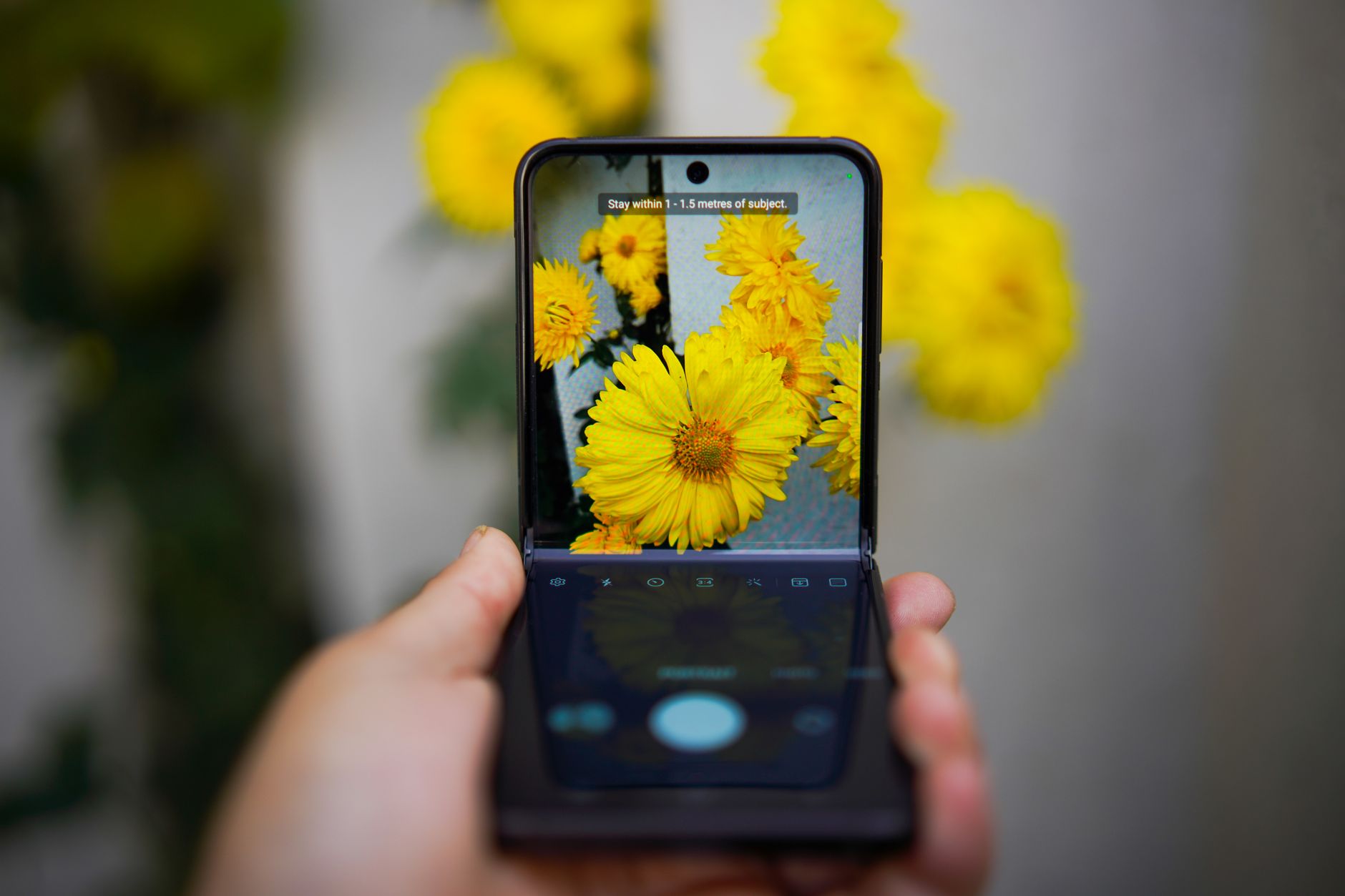
The Duo’s dual‑screen format has exposed shortcomings in app scaling. While some developers have released Duo‑specific versions, many popular applications—including social media, banking and gaming titles—still display large black bars that waste screen real estate. Apple’s own stock apps are also affected; Safari, for example, occupies excessive space on the bottom and right edges, reducing the amount of visible content compared to standard iPhone models.
Developers are reportedly expanding app footprints on the Duo while they work on fully optimized builds, a stop‑gap that diminishes the user experience on the device’s wider inner screen.
Thermal performance and camera limitations
Apple equipped the Duo with a revamped vapor‑chamber cooling system positioned over the A20 Pro chip, a design intended to improve sustained performance, brightness and battery life. Despite these intentions, users have posted on Reddit about the phone becoming “roasting hot” while performing minimal tasks such as scrolling Twitter, even when the device is in a case and charging wirelessly.
Some commenters attribute the heat to background indexing and Siri optimization, while others note that the vapor chamber simply spreads heat across the half of the phone housing the chip—a behavior also observed in the iPhone 18 Pro series.
The camera suite also draws criticism. The Duo offers a 12‑megapixel outer selfie lens, an under‑display 4‑megapixel inner camera, and a 48‑megapixel primary shooter paired with an ultra‑wide lens. Reviewers say the main selfie and primary sensors perform adequately in good light, but they lack the advanced sensors found in the iPhone 18 Pro and iPhone 17. Notably, the device omits a telephoto lens, limiting optical zoom to roughly 2×. Reddit users have described the zoom as “pretty bad” beyond that point, and the under‑display 4‑megapixel camera is deemed only marginally suitable for FaceTime calls.
iOS 27.2 bugs and UI quirks
The Duo ships with iOS 27.2, an iteration that still exhibits bugs specific to the foldable form factor. Mashable reported issues such as incorrect camera orientation, UI confusion when the device is folded, and accidental touches that interfere with normal operation. Developer Christian Selig highlighted problems with the Dynamic Island and misaligned UI elements on the right side of the screen, as well as inconsistencies in how Live Activities are displayed.
While Apple is expected to address these software glitches in future updates, the combination of hardware fragility, app scaling deficits, thermal discomfort and camera compromises raises questions about the Duo’s readiness for a market accustomed to more mature foldable devices from Samsung and Google.
As the iPhone Duo moves further into the hands of consumers, the extent to which Apple can remediate these early‑stage issues will likely determine whether the device can justify its premium price tag.

Steve Lopez is a Senior Editorial Columnist and Health & Public Policy reporter for News Raise. Steve focuses on healthcare advancements, medical technologies, and public health policies.