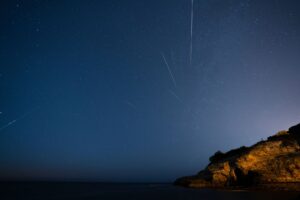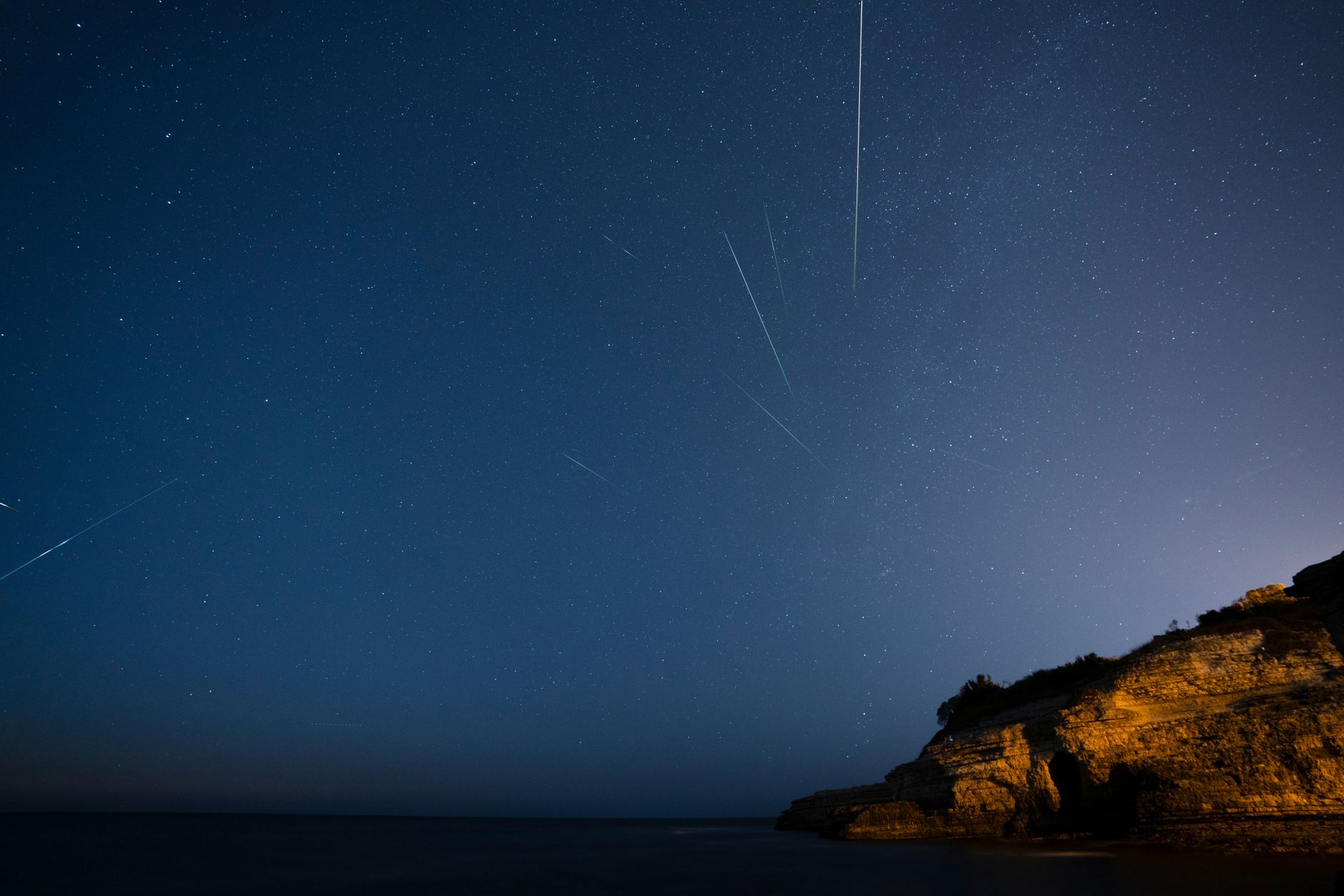
Fast-moving meteors will streak across the night sky this week as the Leonid meteor shower reaches its peak on the night between November 17 and 18, 2026. The meteoroids travel at roughly 71 km (44 miles) per second, producing bright fireballs that can leave lingering trails.
These meteors are not stars at all; they are tiny fragments of space debris that burn up in Earth’s atmosphere. The bulk of the material originates from Comet Tempel‑Tuttle, an icy body that sheds dust each time it approaches the Sun. When Earth’s orbit intersects this dust trail each November, the particles enter the atmosphere at high speed, heat up, and glow as meteors.
What Makes the Leonids Unique
The shower is named for the constellation Leo, from which the meteors appear to radiate. Leonids are especially noted for producing fireballs—exceptionally bright meteors generated by larger particles—and “Earth‑grazers,” which skim the upper atmosphere at shallow angles, creating long, horizontal trails near the horizon.
Periodically, the comet passes close to the Sun roughly every 33 years, depositing especially dense debris. Such encounters can trigger meteor storms delivering at least 1,000 meteors per hour. Historic storms include the 1833 event over North America, the 1966 outburst that produced thousands of meteors per minute for about 15 minutes, and more recent storms in 1999, 2001 and 2002. The next close solar approach by Tempel‑Tuttle will occur in 2031.
When and Where to Watch
According to the International Meteor Organization (IMO), the Leonids are active from November 6 through November 30, with the peak expected around 23:45 GMT on November 17‑18. Under clear, dark conditions, the IMO forecasts a maximum rate of about 15 meteors per hour at the peak.
The radiant sits in Leo, which rises in the eastern sky near midnight. Observers are advised to watch from midnight to dawn, when Leo climbs higher and the sky darkens further. The Moon will be near its first quarter on the peak night, setting around midnight in many locations, so its illumination should have only a minor impact on visibility.
Viewing Tips and Comparison
The Leonids can be seen from both the Northern and Southern Hemispheres, though the display is generally better in the north where Leo reaches a higher altitude. Southern‑hemisphere observers have the best chance an hour or two before sunrise.
To maximize the experience, find a site far from city lights, allow roughly 20 minutes for eyes to adapt to darkness, and keep an unobstructed view of the sky. While the Leonids’ peak rate of 15 meteors per hour is modest compared with the Perseids (about 100 per hour) and the Geminids (around 150 per hour), they compensate with exceptional speed and the occasional spectacular fireball.
For precise local times, use the IMO’s online widget to input your city and obtain the optimal viewing window.

Norman Pearlstine is the Executive Editor and Co-Founder at News Raise. With over two decades of experience across financial journalism, corporate governance, and market analysis, Norman leads the editorial direction and ensures strict adherence to journalistic accuracy and ethics.