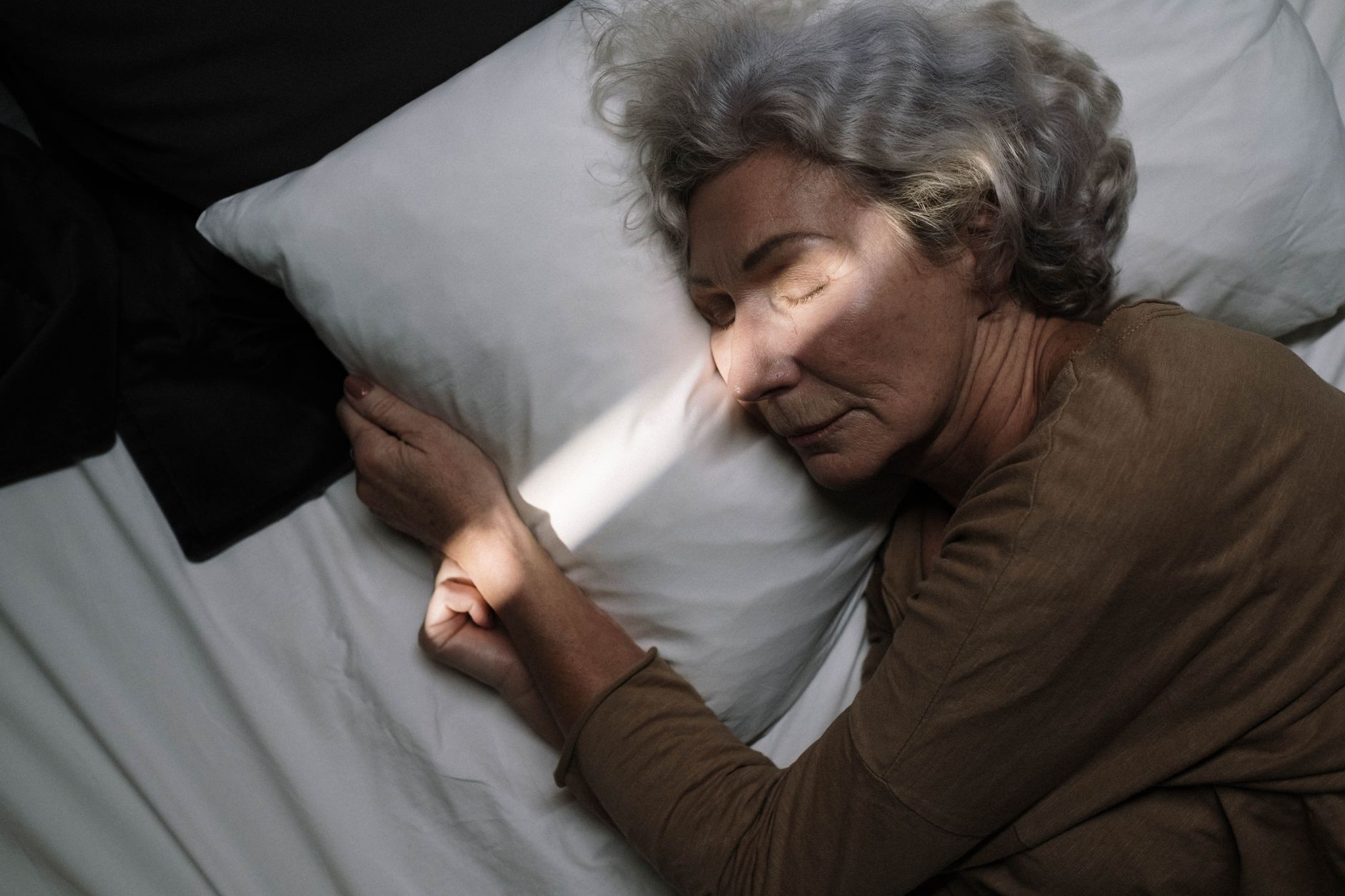
Researchers from Mass General Brigham and Rush University Medical Center have identified a strong association between certain daytime‑sleep patterns and all‑cause mortality among older adults. Analyzing data from 1,338 participants over a period that could extend to 19 years, the team found that longer naps, more frequent naps, and naps taken in the morning each corresponded with higher odds of death.
Study design and population
The investigation used objective sleep measurements collected through wrist‑worn activity monitors. Beginning in 2005, participants in the Rush Memory and Aging Project—a long‑term study of memory, cognition, and neurological decline in northern Illinois—wore the devices for ten consecutive days. The monitors captured periods of rest and movement, allowing researchers to quantify nap duration, frequency, timing, and day‑to‑day variability.
By 2025, follow‑up information covering up to 19 years was compiled for the 1,338 older adults, most of whom were white. The primary outcome was death from any cause occurring after the initial nap assessment.
Key findings on nap characteristics
Analysis revealed several statistically significant patterns. Each additional hour of daytime sleep was linked to an approximately 13 % increase in mortality risk. Likewise, taking one more nap per day was associated with about a 7 % higher risk.
The timing of naps emerged as a particularly notable factor. Participants who habitually napped in the morning faced a 30 % greater risk of death compared with those whose naps occurred in the afternoon. In contrast, irregular nap schedules—variations in timing or length from day to day—did not show a measurable impact on mortality.
These results suggest that not all daytime sleep is equal; the length, frequency, and especially the time of day appear to carry distinct health implications for seniors.
Interpretation and potential clinical value
Lead author Chenlu Gao, PhD, emphasized that the findings reflect correlation rather than causation. “Excessive napping is likely indicating underlying disease, chronic conditions, sleep disturbances, or circadian dysregulation,” Gao said. The researchers propose that objective nap tracking could serve as an early‑warning system for clinicians, flagging individuals who may harbor undiagnosed medical issues or progressive neurological decline.
Gao added that wearable activity trackers, already commonplace for fitness monitoring, might be repurposed to capture daytime‑sleep patterns in clinical settings. By integrating such data, health providers could potentially intervene earlier, addressing the root causes of excessive napping rather than the nap itself.
While the study stops short of recommending that seniors avoid naps, it underscores the importance of viewing nap habits as possible health signals. Further research is needed to determine how well nap metrics predict specific conditions and whether targeted interventions can modify outcomes.
The work was funded by a range of agencies, including the American Academy of Sleep Medicine Foundation, the National Institute on Aging, and the National Heart, Lung, and Blood Institute, among others. No conflicts of interest related to the study’s conclusions were identified.

Mitchell Landsberg is a Senior Technology Correspondent at News Raise. He covers consumer electronics, artificial intelligence, software developments, and digital privacy trends.