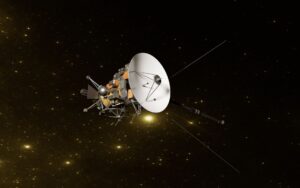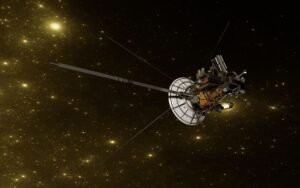
The recently released documentary “The Europa Concept” offers a comprehensive look at how NASA’s Europa Clipper mission progressed from an early idea to a fully realized spacecraft ready for launch. The film emphasizes the scale of the undertaking, noting that Europa Clipper is the largest spacecraft NASA has ever engineered and built for a planetary mission. It follows the journey of thousands of engineers, scientists, and support staff who contributed their expertise, creativity, and persistence to the project.
Scientific Motivation Behind the Mission
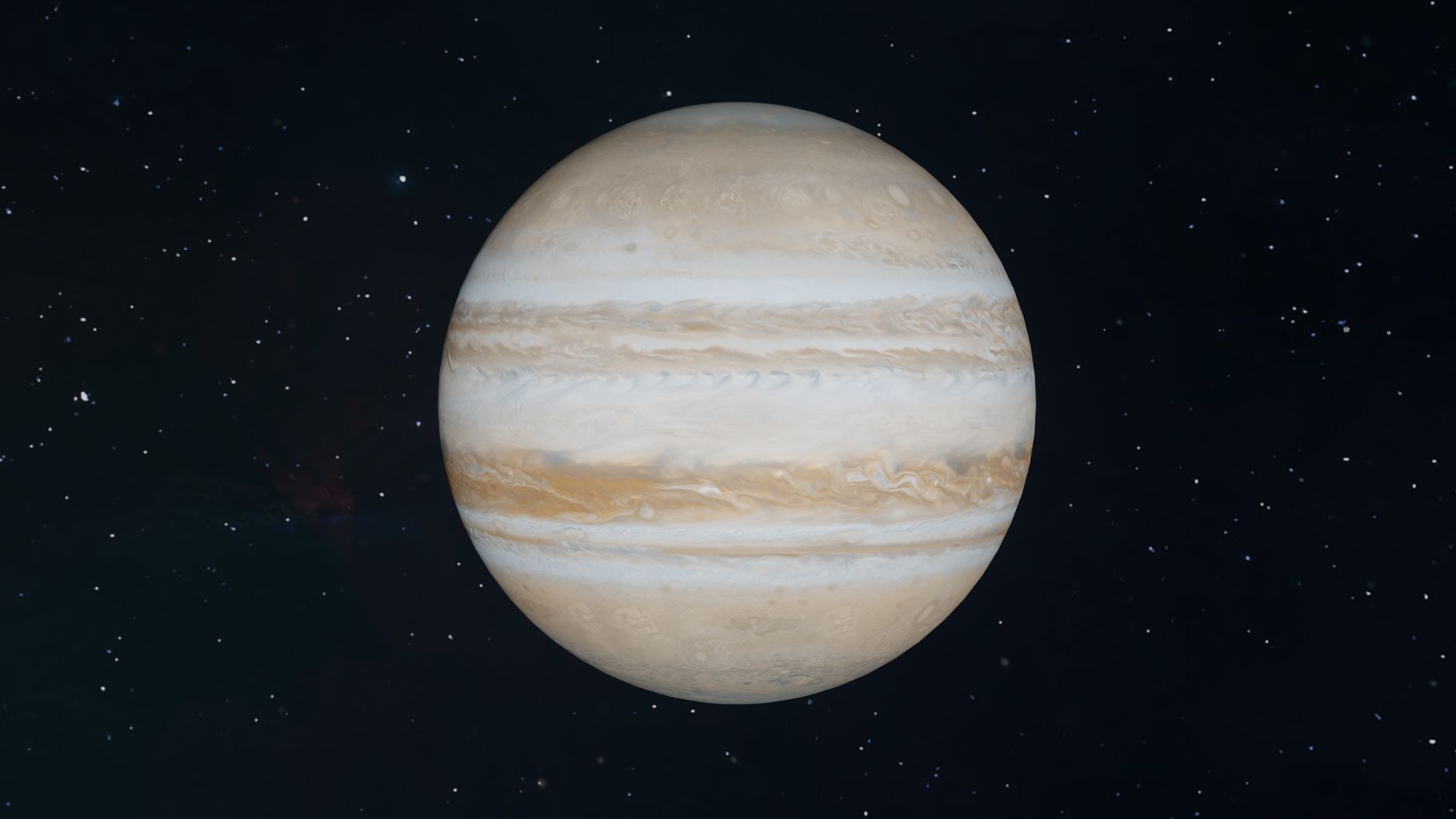
Europa, one of Jupiter’s four largest moons, has long captured scientific interest because its surface shows strong evidence of a liquid water ocean beneath a thick icy crust. The presence of such an ocean suggests that the moon could possess the essential ingredients for life as we know it. Europa Clipper is designed to conduct dozens of close flybys of the moon, gathering data to assess whether any subsurface environments might be habitable. The documentary highlights the importance of these observations, positioning the mission as a key step in the search for extraterrestrial life.
From Concept to Approval
The film recounts the hard‑won battle to secure mission approval within NASA. Early advocates had to demonstrate the scientific value of exploring Europa’s hidden ocean, while also addressing the technical challenges of building a spacecraft capable of operating in the harsh environment of the Jovian system. The narrative describes how the mission team navigated institutional reviews and budget considerations, ultimately achieving the green light needed to move forward.
Overcoming Crises and Final Countdown
Beyond the administrative hurdles, the documentary details unforeseen crises that emerged as the spacecraft neared completion. These challenges tested the resilience of the team and required rapid problem‑solving to keep the schedule on track. Despite these setbacks, the mission progressed toward its final countdown, illustrating the complex and inspiring nature of deep‑space exploration. The film underscores that the successful launch of Europa Clipper represents a culmination of coordinated effort across multiple disciplines.
Visually, the documentary incorporates a striking color view of Europa’s surface derived from images captured by NASA’s Galileo spacecraft in the late 1990s. This historic imagery provides context for the moon’s puzzling and fascinating terrain, reinforcing why Europa remains a focal point for planetary science.
Overall, “The Europa Concept” serves both as a celebration of a major engineering achievement and as an educational resource that explains why Europa’s subsurface ocean is a compelling target for astrobiology. By chronicling the mission’s evolution—from early concept, through rigorous approval processes, to overcoming technical crises—the documentary offers viewers insight into the dedication required to explore the outer reaches of our solar system.

Helene Elliott is the Lead Science & Space Reporter at News Raise. She reports on aerospace missions, astrophysics discoveries, quantum research, and environmental technology.