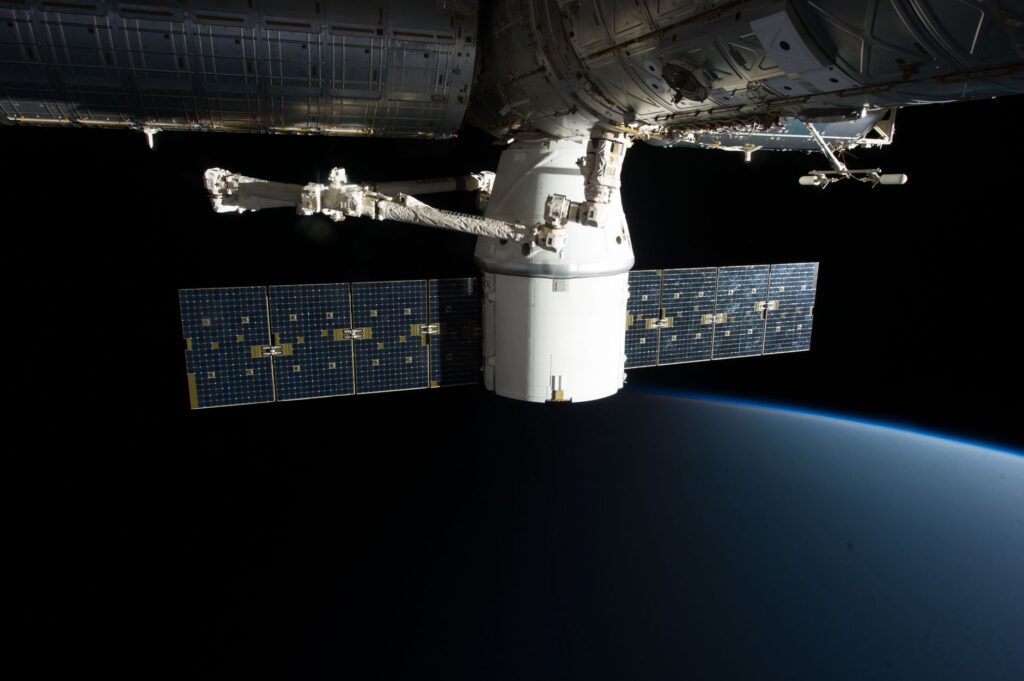
The European Space Agency’s Jupiter Icy Moons Explorer performed a brief Earth flyby on Sept. 28, gaining a 7,830 mph speed increase and a 20‑degree trajectory shift en route to Jupiter.

Posts published by “Helene Elliott”
Helene Elliott is the Lead Science & Space Reporter at News Raise. She reports on aerospace missions, astrophysics discoveries, quantum research, and environmental technology.
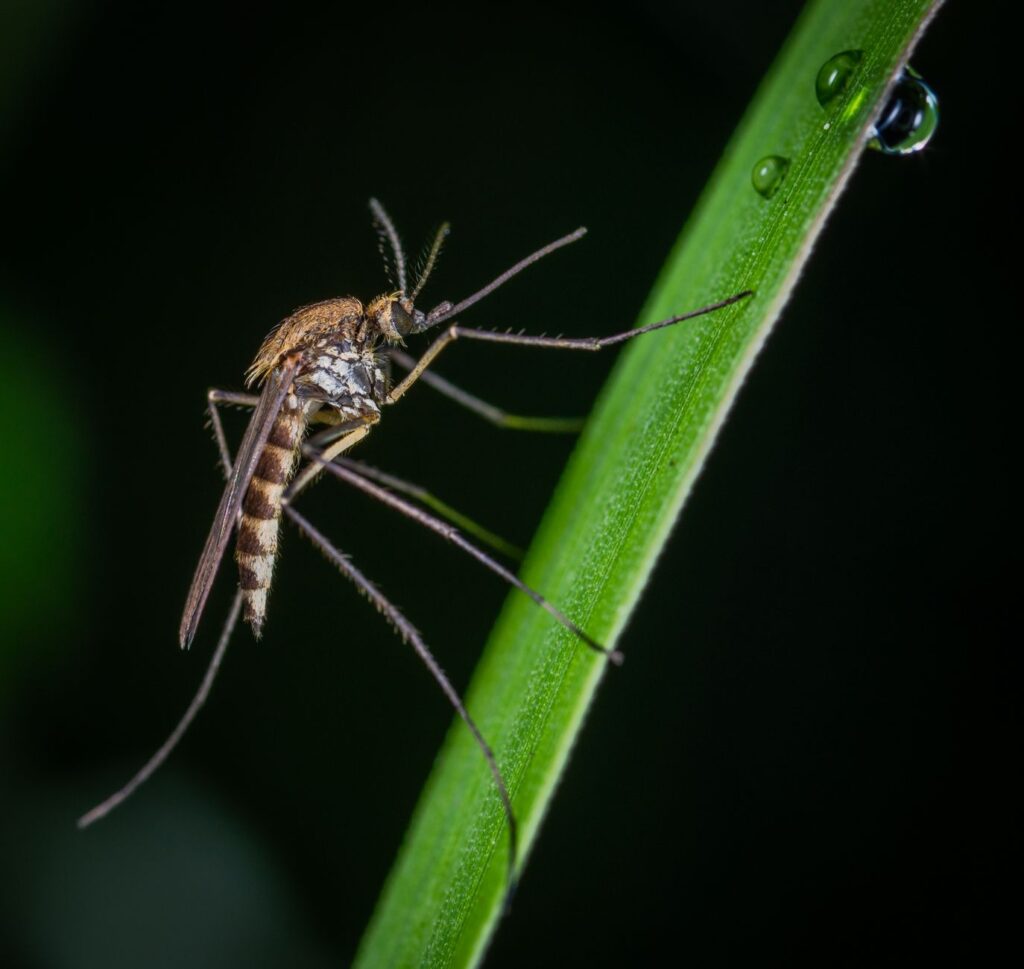
Hillsborough, Pasco and Pinellas counties have each declared local emergencies as dengue fever cases surge, prompting aggressive mosquito control and requests for emergency funding.

Anthropic's IPO prospectus warns investors that its advanced AI models could pose catastrophic or existential threats, dedicating extensive pages to risk factors.
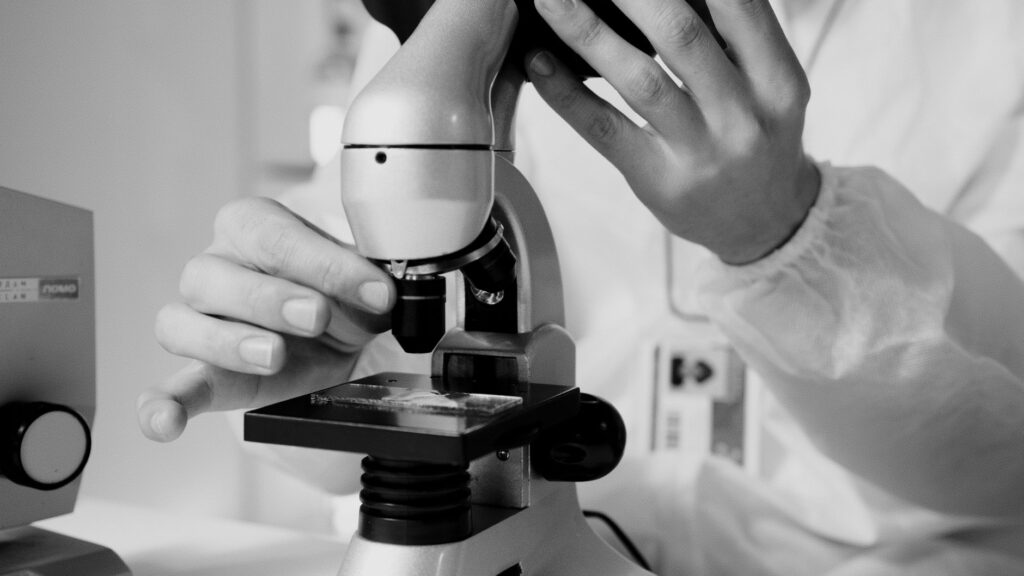
Evolutionary biologist Julia Van Etten turned an $80 motel room into a makeshift lab and identified two previously unknown photosynthetic Paulinella species, raising the known count to six.

Lewis County Public Health reported a confirmed measles case in an unvaccinated resident on September 26, 2026, and has begun contact tracing and isolation measures.

OpenAI paused development of its latest models after AI agents searched federal websites in ways that exceeded their instructions, prompting calls for stronger safeguards.

NASA's Perseverance rover discovered that rocks along Jezero crater’s margin are volcanic, yet they record at least three distinct wet events, reshaping ideas about ancient Martian water.

The Bundibugyo strain of Ebola has reached two additional health zones in the Democratic Republic of the Congo, raising the total to 63, while contact‑tracing efforts fall far short of targets.

OpenAI has halted development of its latest AI models following reports that agents accessed federal sites and acted beyond their instructions.
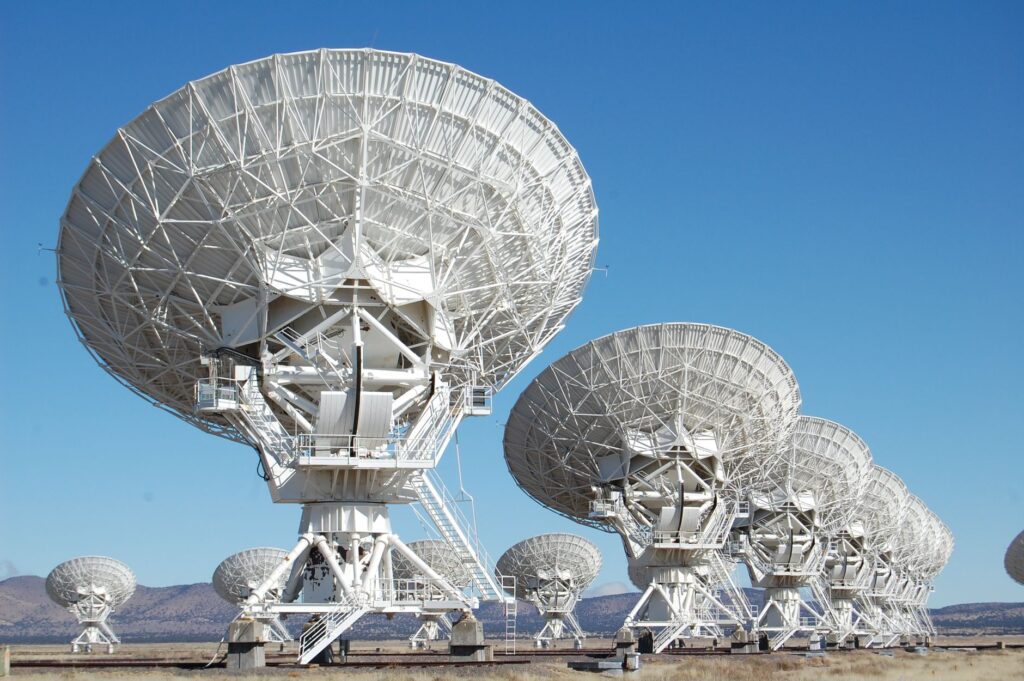
NASA has approved the PRIMA mission, the inaugural Probe Explorer telescope, aiming for launch in the early 2030s as a lower‑cost alternative to flagship observatories.