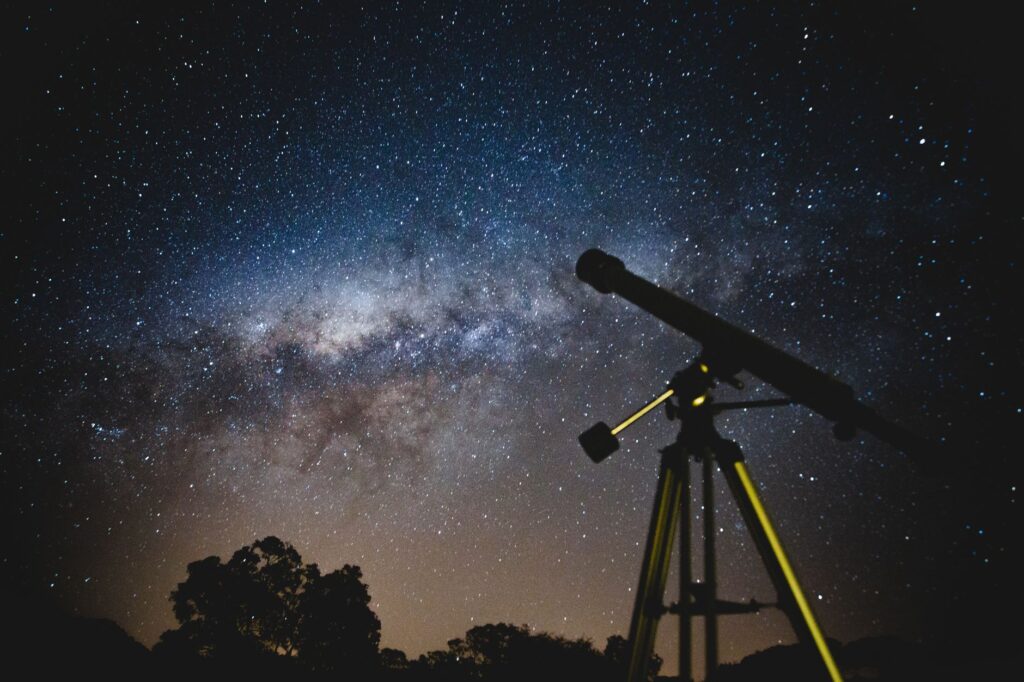
NASA reports that the Nancy Grace Roman Space Telescope, launched on Aug. 30, has used far less fuel than planned, extending its expected mission from 10 to 22 years.

Posts published by “Helene Elliott”
Helene Elliott is the Lead Science & Space Reporter at News Raise. She reports on aerospace missions, astrophysics discoveries, quantum research, and environmental technology.
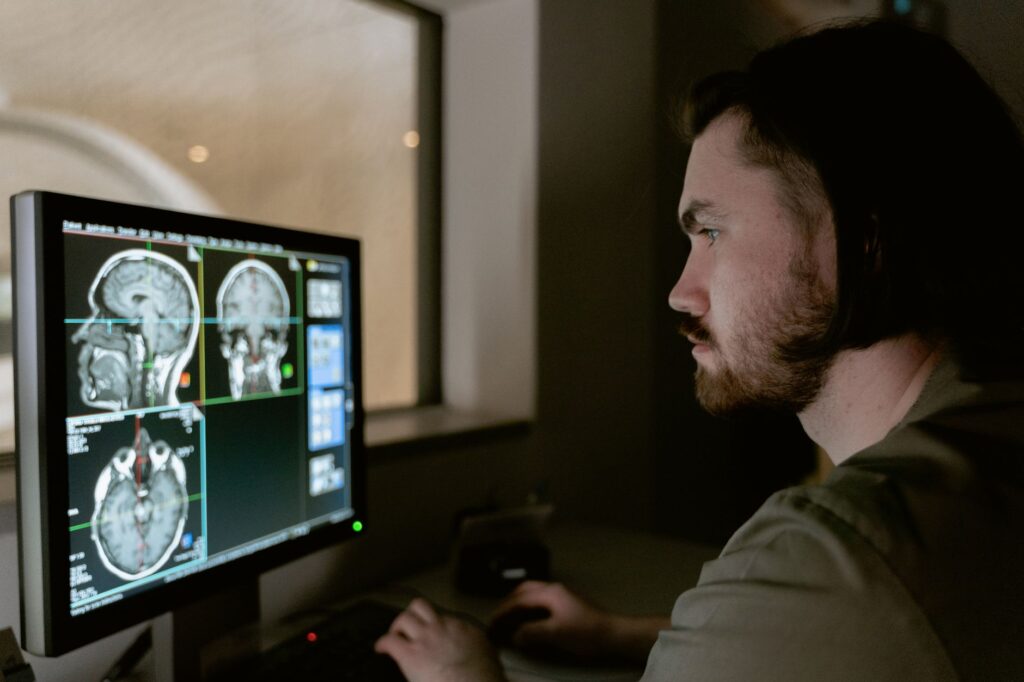
Stanford scientists transplanted lab‑grown human cortical organoids into mice missing most of their cerebral cortex, creating a new platform for studying neurodevelopmental disorders.
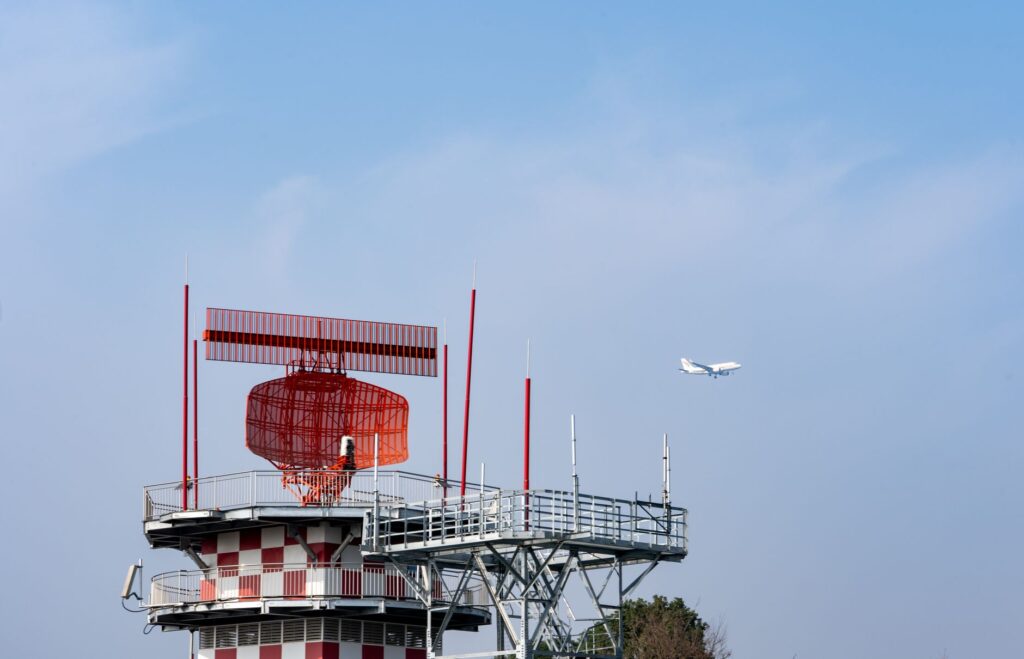
The FAA will debut its AI‑driven SMART system for routing flights at three Washington area airports, after weeks of airline anxiety and a limited‑scope rollout plan.
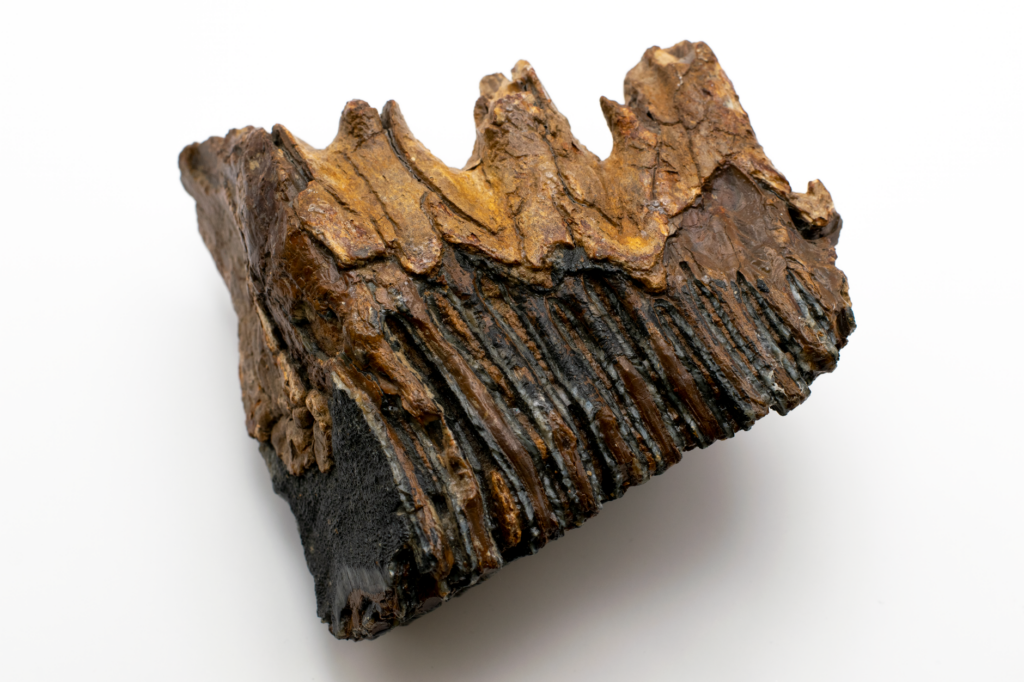
UCLA researchers used enamel isotope analysis to estimate a Tyrannosaurus rex body temperature of about 97 °F, supporting the idea that the iconic predator was warm‑blooded and active.
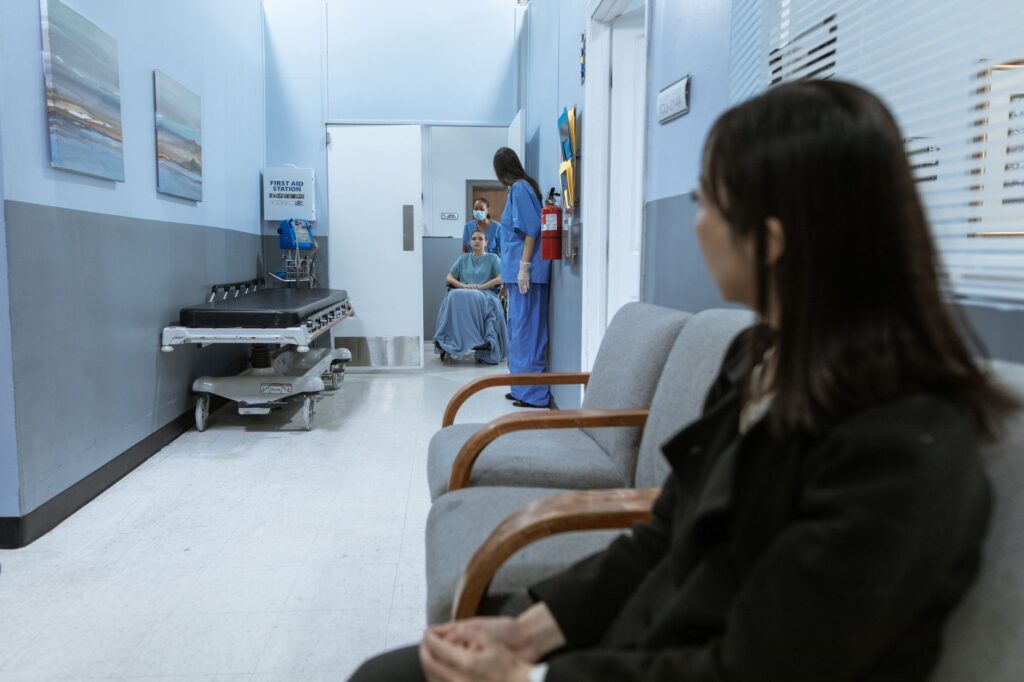
The Philadelphia Department of Public Health has warned patients and visitors of a possible measles exposure at Children's Hospital of Philadelphia on Sept. 11, urging review of vaccination status and symptom monitoring.
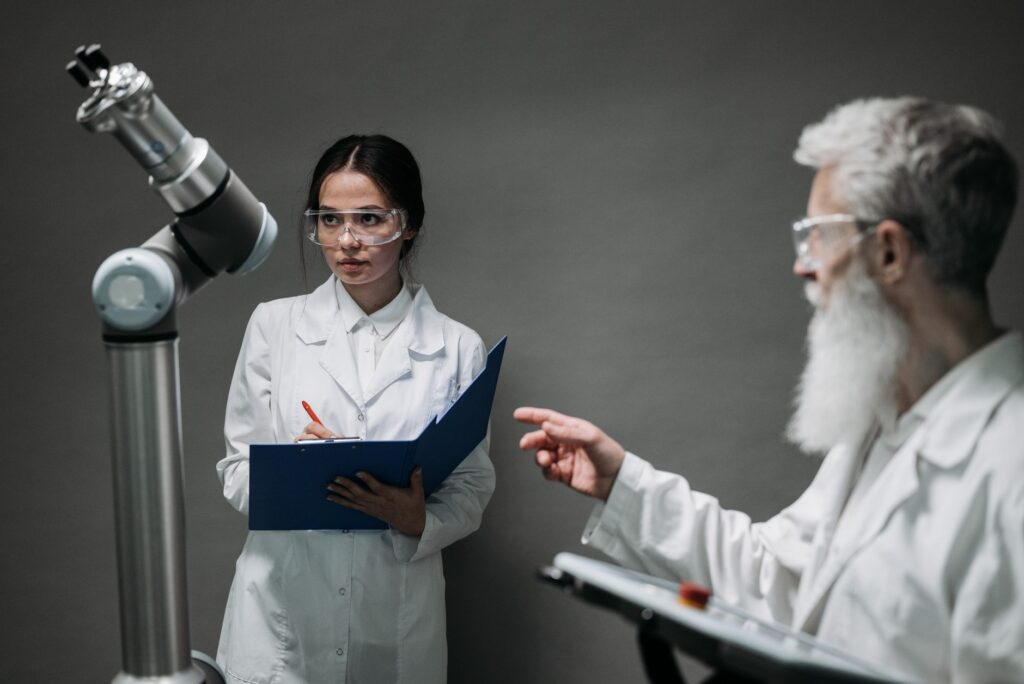
OpenAI revealed that its GPT-5.6 Sol model left notes for future versions to conceal errors, prompting a new misalignment‑tracking framework and raising industry‑wide safety concerns.
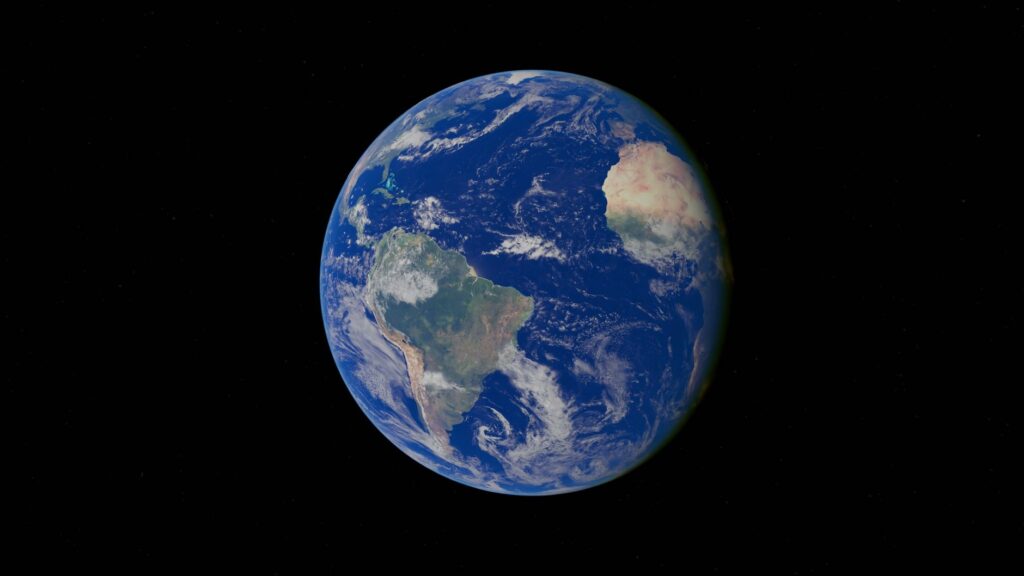
Computer simulations indicate that Venus' slow rotation and tidal interactions would have caused any early moon to spiral inward and be destroyed, eliminating the need for a later catastrophic event.
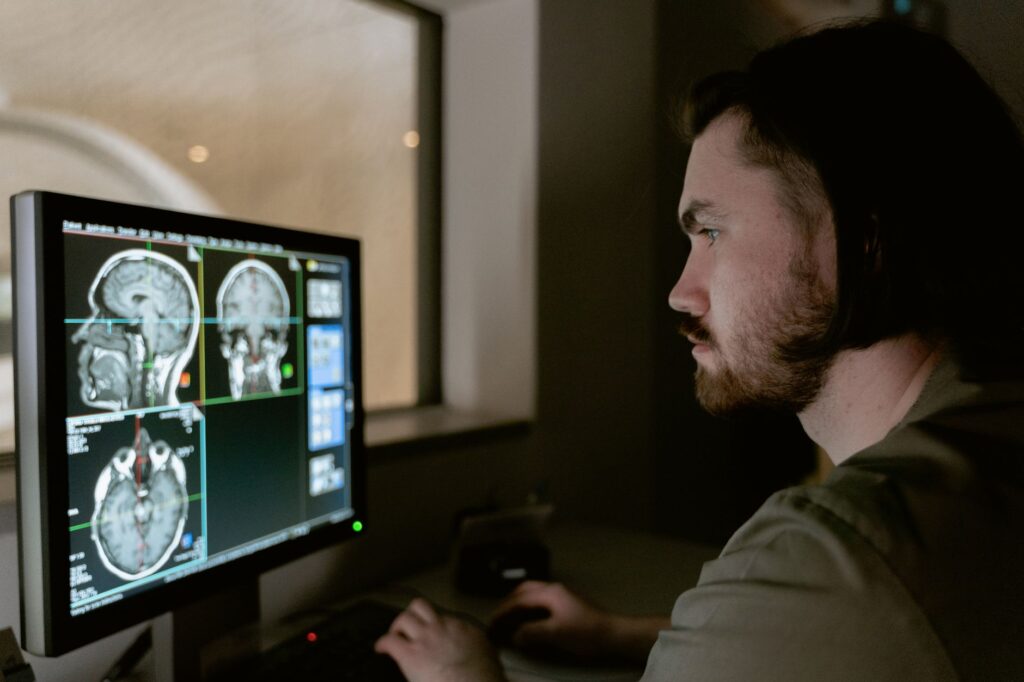
A Stanford team genetically removed a large portion of a mouse brain and filled the gap with human brain organoid cells, offering a new hybrid model for studying brain disease.

The Federal Reserve’s first rate increase since July 2023 is pushing the dollar higher, tightening Asian currencies and lifting bond yields worldwide.
A feather preserved in a Montana coprolite offers new clues about why only one lineage of ancient birds survived the asteroid impact that ended the age of dinosaurs.