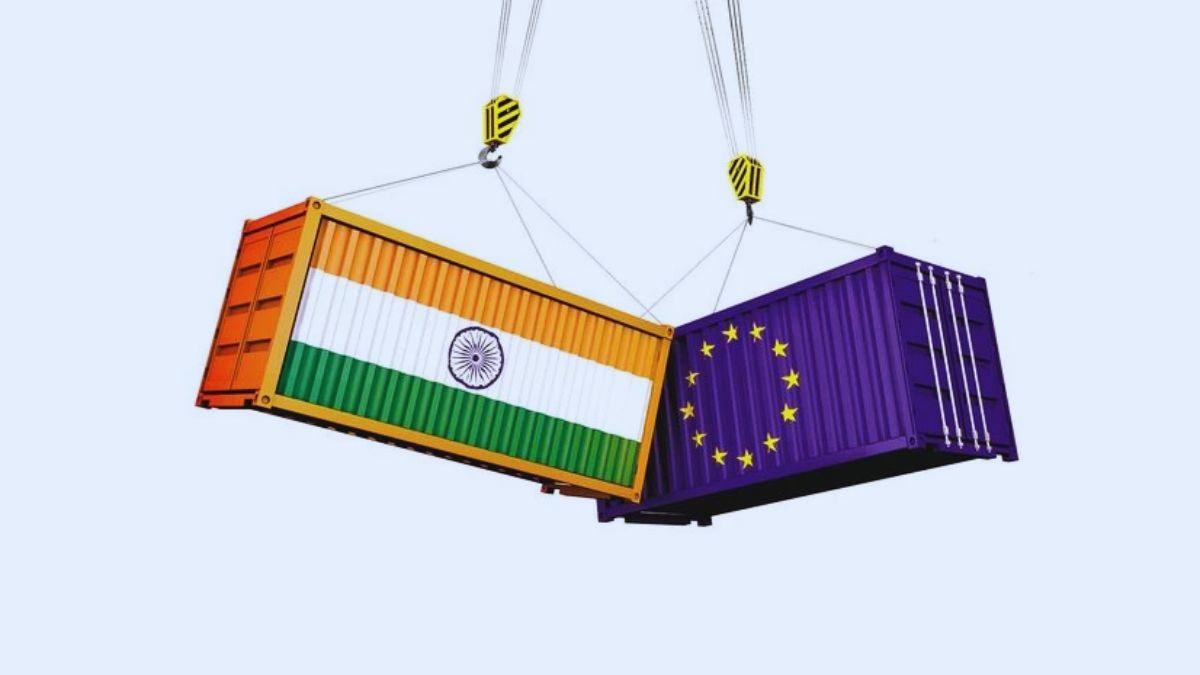
India has taken a historic step in global trade by signing its first Free Trade Agreement (FTA) with a European bloc. The landmark Trade and Economic Partnership Agreement (TEPA) with the European Free Trade Association (EFTA) countries—Switzerland, Norway, Iceland, and Liechtenstein—will officially come into effect on October 1, 2025. The agreement marks a turning point in India’s trade diplomacy, combining tariff concessions with a massive investment commitment worth $100 billion.
Union Minister of Commerce and Industry Piyush Goyal has termed this as a transformative step and highlighted how the deal not only strengthens India’s position in global markets but also promises long-term economic benefits such as job creation, industrial growth, and increased exports.
The agreement stands out because it ties market access commitments to direct investment pledges—something unprecedented in India’s trade history. Over the next 15 years, EFTA nations will invest $100 billion in India, with $50 billion to flow in within the first decade and another $50 billion in the following five years. The government expects this infusion to create around one million direct jobs across industries.
Key Features of the Agreement
- Under the TEPA, India has agreed to gradually reduce tariffs to zero on about 80–85% of goods imported from EFTA countries.
- In return, Indian exporters will gain duty-free access on nearly 99% of products entering EFTA markets. However, to protect domestic farmers, sensitive sectors like agriculture and dairy have been excluded from tariff concessions.
- For Indian businesses, especially in manufacturing, textiles, pharmaceuticals, and services, this deal opens up new opportunities in advanced European economies.
- At the same time, the investment pledge ensures that the benefits are not limited to trade alone but extend to job creation, infrastructure, and industrial capacity building.
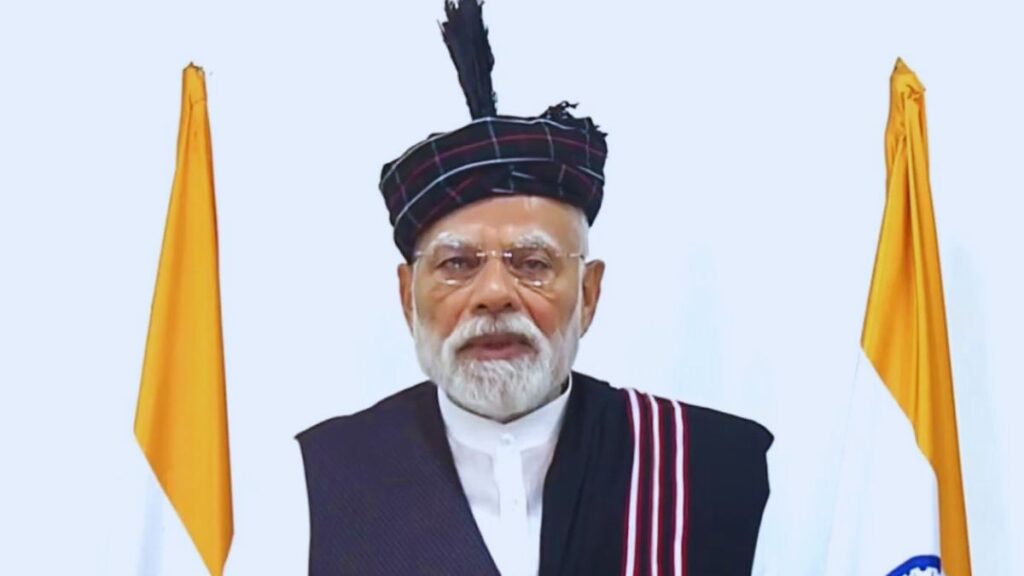
Piyush Goyal noted that India has become an attractive trade partner for developed nations, already finalizing FTAs with the UAE, Australia, and the UK. Negotiations are also underway with the US, EU, New Zealand, Oman, Peru, and Chile, while Qatar and Bahrain have expressed interest. Talks with the Eurasian bloc is also progressing.
India’s growing foreign exchange reserves, now standing at $700 billion, have further strengthened the country’s bargaining power in global negotiations.
The Minister credited recent GST reforms as a landmark step for India’s economy, calling September 22 “a date that will be written in golden letters in history.” He emphasized that under Prime Minister Narendra Modi’s leadership, India has transformed from a fragile economy in 2014 to the world’s fourth-largest economy today, with projections to reach $5 trillion GDP and the third spot globally within two years.
- Low inflation of just 2%, strong GDP growth at 7.8%, and a robust banking sector with reduced interest rates were highlighted as indicators of India’s economic resilience.
Focus on Inclusive Development
Alongside trade diplomacy, the government’s focus on inclusive growth, particularly in the North-Eastern and Eastern states.
- In UP, the establishment of India’s first dedicated Export Promotion Ministry and the success of the One District, One Product (ODOP) scheme, which now covers over 750 districts and promotes 1,200 unique products worldwid have been a phenomenal step.
India’s first European trade deal signals not just deeper engagement with global markets but also a new model of trade agreements that link tariffs directly with investments. With $100 billion in investments, one million potential jobs, and duty-free access to advanced economies, the TEPA is poised to be a game-changer for India’s growth story over the next decade and beyond.






Be First to Comment