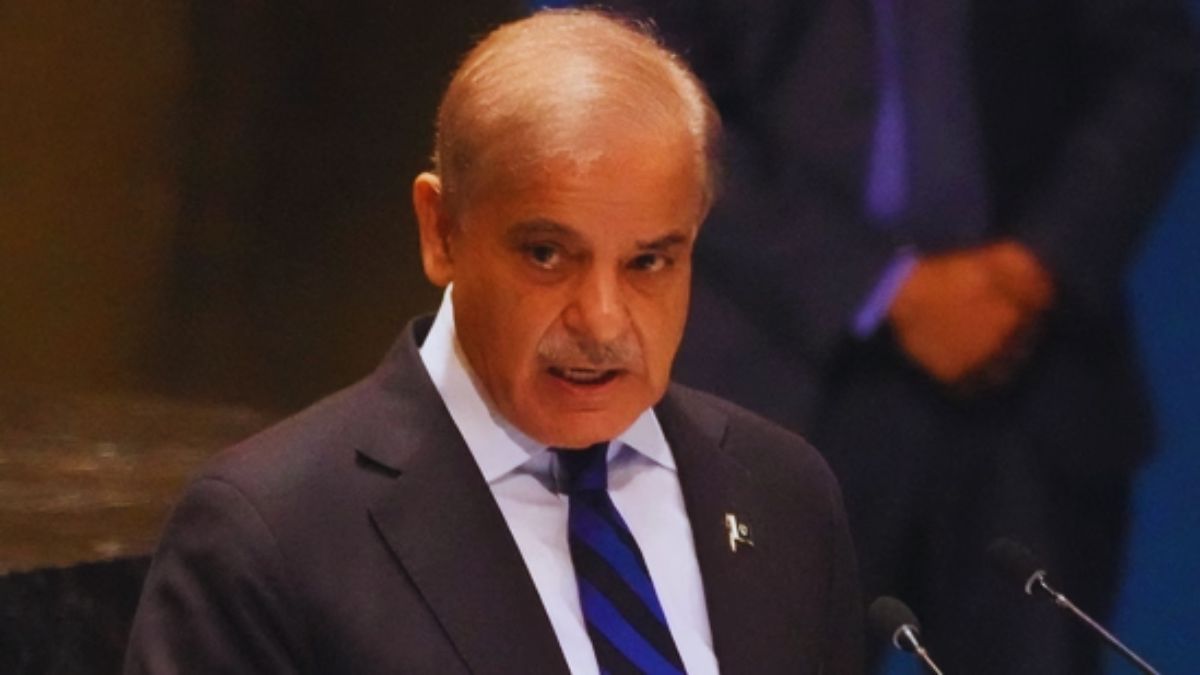
Tensions between India and Pakistan have escalated sharply after strong remarks from Pakistan’s top leadership over the suspension of the Indus Waters Treaty (IWT).
On April 23, India placed the 1960 treaty ‘in abeyance’ a day after the Pahalgam terror attack, which claimed 26 lives. The move triggered a series of warnings from Pakistan’s political and military leaders, who view the treaty as critical to their water security.
Shehbaz Sharif Vows to Protect Every Drop
Pakistani Prime Minister Shehbaz Sharif issued a stern warning on Tuesday, declaring that India would not be allowed to take “even one drop” of water belonging to Pakistan. “I want to tell the enemy today, if you threaten to hold our water, remember – you cannot snatch even a drop from Pakistan,” Sharif said at a ceremony in Islamabad. He further cautioned that any such attempt would result in a “lesson” for India that would not be forgotten.
Bilawal Bhutto Labels Move an Attack on Civilization
A day earlier, former foreign minister Bilawal Bhutto-Zardari likened the suspension of the treaty to an attack on the Indus Valley Civilization. He warned that Pakistan would not hesitate to respond if India forced it into a conflict. The comments have stirred political circles in both nations, with Indian leaders responding strongly to Pakistan’s rhetoric.
Army Chief Asim Munir Threatens to Destroy Dams
While addressing the Pakistani diaspora in Tampa, Florida, Army Chief General Asim Munir escalated the rhetoric further. “We will wait for India to build a dam, and when they do so, we will destroy it,” Munir was quoted by Dawn. He asserted that the Indus River does not belong exclusively to India and warned Islamabad has the means to counter any attempt to stop its flow.
India Opposes Nuclear Blackmail
In response, India’s Ministry of External Affairs (MEA) condemned Munir’s remarks, particularly his veiled nuclear threat. The MEA stated that such comments “reinforce long-standing doubts about the integrity of Pakistan’s nuclear command and control” and criticized the military’s alleged ties to terrorist groups. India also expressed regret that these remarks were made from the soil of a “friendly third country,” in a pointed reference to the United States.
The recent developments between Pakistan and US, on the lines of their growing alleged friendship, due to the trade tariff situation and heavy duty imposed by Donald Trump on Indian exports has definitely given rise to fresh controversial stance and made the Indian government prepare a stronger counter-intuitive narrative, to partner with allies (Brazil), apart from clearly refusing to stop the oil import from Russia and the Indian contingent announcing renewed ties with China – indicating an alternative route to not succumb into US pressure.





Be First to Comment