Supreme Court Allows Sale and Bursting of Green Firecrackers in Delhi-NCR for Diwali 2025
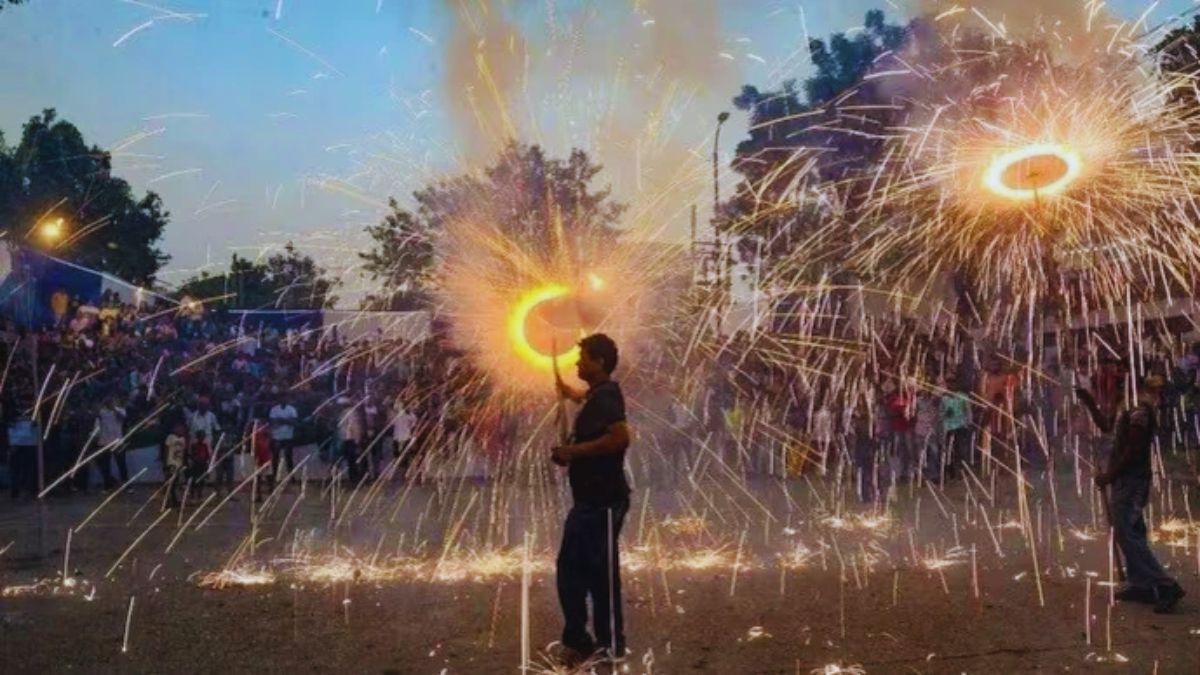
In a major development ahead of Diwali 2025, the Supreme Court of India on Friday indicated that it will permit the sale and bursting of firecrackers in Delhi and the National Capital Region (NCR) for five days during the festive season. The move could mark the first Diwali in years when Delhi residents can legally celebrate with fireworks, even as environmental experts warn of a potential setback to ongoing anti-pollution efforts.
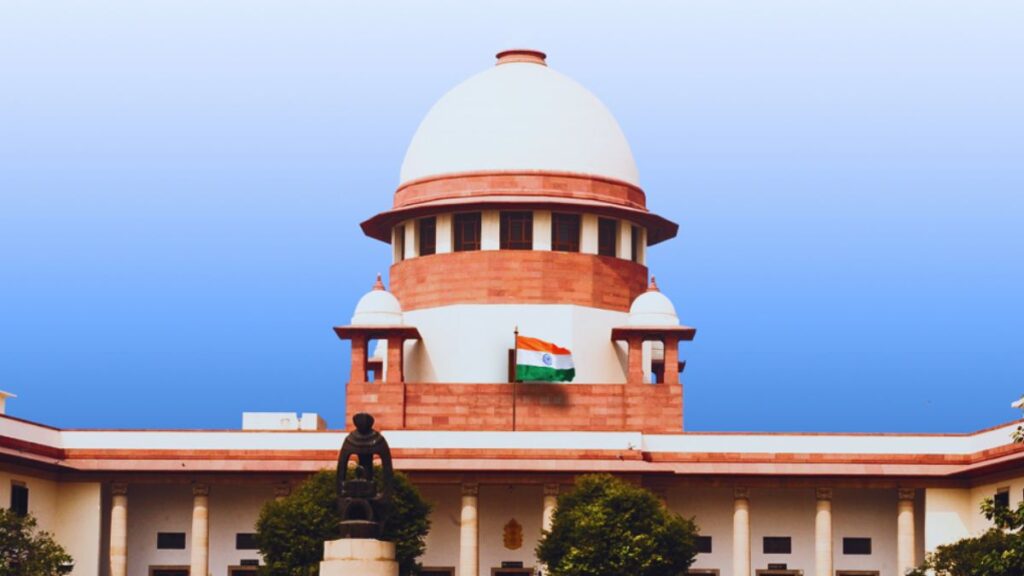
A bench led by Chief Justice of India (CJI) Bhushan R. Gavai and Justice K. Vinod Chandran reserved its final order after the Union government proposed a regulated framework allowing only ‘green firecrackers‘ — products certified by the National Environmental Engineering Research Institute (NEERI).
Centre’s Proposal for Controlled Firecracker Use
During the hearing, Solicitor General Tushar Mehta presented a detailed enforcement plan outlining strict conditions. The proposal restricts sales to licensed traders and explicitly bars online platforms like Amazon and Flipkart from selling firecrackers in Delhi-NCR. Traditional firecrackers will remain banned, while the relaxation would apply to major festivals such as Diwali, New Year’s Eve, and Gurupurab, as well as personal celebrations like weddings.
The government suggested limited time windows for bursting crackers — 8 PM to 10 PM on Diwali, 11:55 PM to 12:30 AM on New Year’s Eve, and one-hour slots in the morning and evening on Gurupurab. Mehta also urged the court to consider extending the Diwali window, arguing that children should be allowed to celebrate without severe restrictions.
Experts Raise Pollution Concerns
However, environmentalists and air quality experts remain skeptical about the decision. They cite the 2018–2020 period, when a similar “green firecracker” policy failed to reduce pollution levels meaningfully. Experts argue that enforcement challenges make it nearly impossible to distinguish between genuine green firecrackers and traditional ones on the ground.
According to Mukesh Khare, an air pollution expert from IIT Delhi, the distinction between green and conventional firecrackers often blurs in practice. “Under the garb of green firecrackers, even conventional ones are burst, offsetting any gains you may get. Even if we had only green firecrackers, the sheer number will still cause a spike in pollution levels,” he said in a media interview.
NEERI claims that green firecrackers emit 30–35% fewer pollutants than traditional ones by replacing barium nitrate with zeolites, reducing aluminium content, and adding dust suppressants. But experts stress that the benefits are modest, especially when mass usage during Diwali can easily negate any emission reductions. Some analysts warn that allowing even green crackers could set back Delhi’s air quality fight by nearly a decade.
Impact on Delhi’s Air Quality and Enforcement Challenges
The blanket ban on firecrackers in previous years has also seen inconsistent enforcement. Post-Diwali air pollution levels in Delhi often depend on weather conditions — with colder November air trapping pollutants longer than during October’s warmer weeks.
While the Supreme Court’s relaxation order has been welcomed by firecracker sellers and festival enthusiasts, environmentalists fear it could lead to another severe Air Quality Index (AQI) spike across Delhi-NCR. With Diwali coinciding with the season of farm stubble burning in Punjab and Haryana, experts caution that even a short period of firecracker use could push pollution levels to “severe” or “hazardous” categories.
As the court prepares to issue its final order, Delhi stands at a delicate crossroads — between celebrating Diwali with fireworks and protecting its citizens’ right to breathe clean air.



Be First to Comment