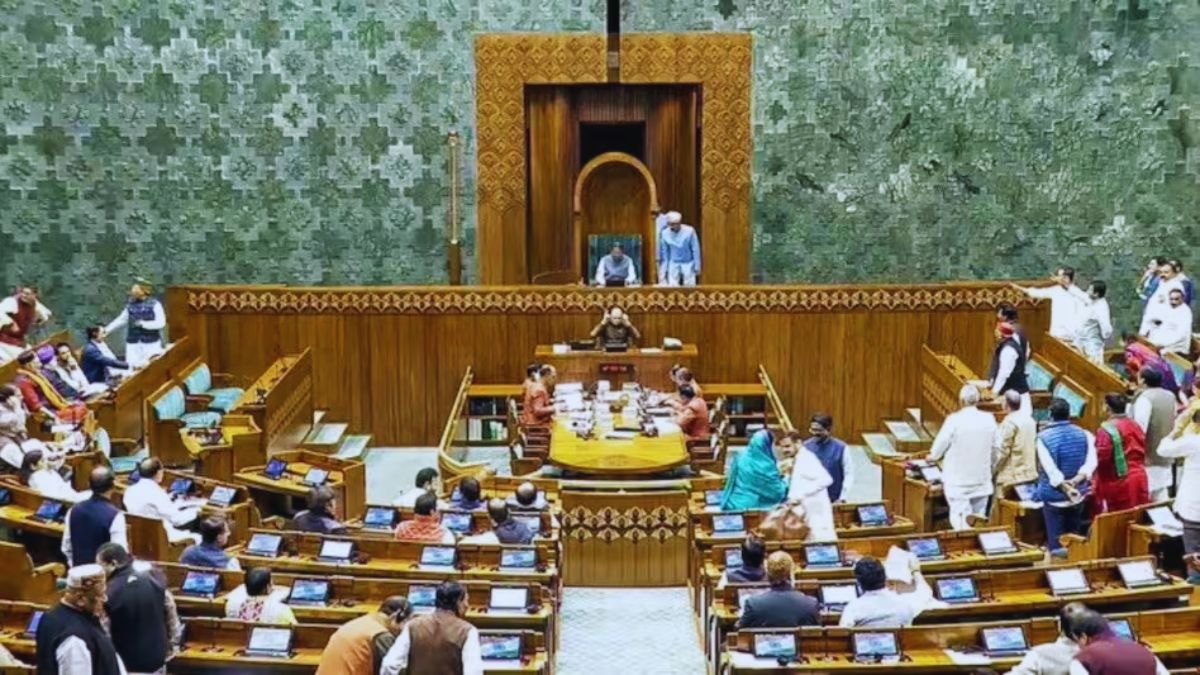
Winter Session of Parliament Begins December 1: Opposition Gears Up for Tough Questions
The Winter Session of Parliament will begin from December 1 and continue until December 19, featuring 15 sittings spread across three weeks. With a packed legislative agenda, the government is preparing to introduce a series of reform-focused bills, including a landmark proposal to open India’s civil nuclear sector to private participation. At the same time, the Opposition is planning to raise several debatable issues, setting the stage for a politically heavy session.
Parliamentary Affairs Minister Kiren Rijiju met floor leaders for a pre-session briefing to help coordinate legislative strategies.
Key Highlights
One of the biggest highlights of this session will be The Atomic Energy Bill, 2025, which aims to regulate the use of atomic energy and allow private players into a sector that has been dominated exclusively by Indian government agencies.
- The move comes at a time when the BJP-led NDA government is riding high by its strong performance in the Bihar Assembly elections, which is expected to give it added momentum to push long-pending reforms.
- The Lok Sabha Business Advisory Committee has set aside time to discuss 13 major bills, several of which have not been reviewed by Standing Committees.
- Among the key proposals on the table are the Higher Education Commission of India Bill, 2025, the National Highways (Amendment) Bill, 2025, the Corporate Laws (Amendment) Bill, 2025, the Securities Markets Code Bill, 2025, the Jan Vishwas (Amendment of Provisions) Bill, 2025, and amendments to the Insolvency and Bankruptcy Code.
- Additional bills include changes to the Arbitration and Conciliation Act, the Central Excise (Amendment) Bill, 2025, and the Health Security and National Security Cess Bill, 2025.
- Financial matters will also play a major role, with the government planning to present the Supplementary Demand for Grants and the Health Cess Bill.
- A proposal for a 10-hour debate on the ‘Vande Mataram’ issue is currently awaiting the Speaker’s approval. Prime Minister Narendra Modi is also expected to address the official media on the opening day at Parliament House.
Education reform is another major focus of the session. The Higher Education Commission of India Bill aims to create a central regulatory body for universities and higher education institutions, promoting autonomy, transparency, and improved quality standards. Meanwhile, amendments to corporate and highway laws are expected to streamline land acquisition and simplify compliance for businesses.
Two bills carried over from the previous session will also come up for consideration. However, the government recently withdrew a proposal allowing the President to directly frame regulations for the Union Territory of Chandigarh after strong objections from various political parties, reflecting the sensitive political atmosphere in Parliament.
- The Opposition has already signaled that it intends to push for a debate on the Special Intensive Revision (SIR) of electoral rolls across 12 states and Union Territories.
- Opposition leaders have warned that the normal functioning of Parliament could be affected if this issue is not included in the agenda.
- They also plan to raise concerns regarding air pollution in Delhi and national security, accusing the government of not engaging in adequate discussions, as required.
As both sides prepare for a packed and possibly heated Winter Session, all eyes will be on how the government balances its reform agenda with growing pressure from the Opposition.

Be First to Comment