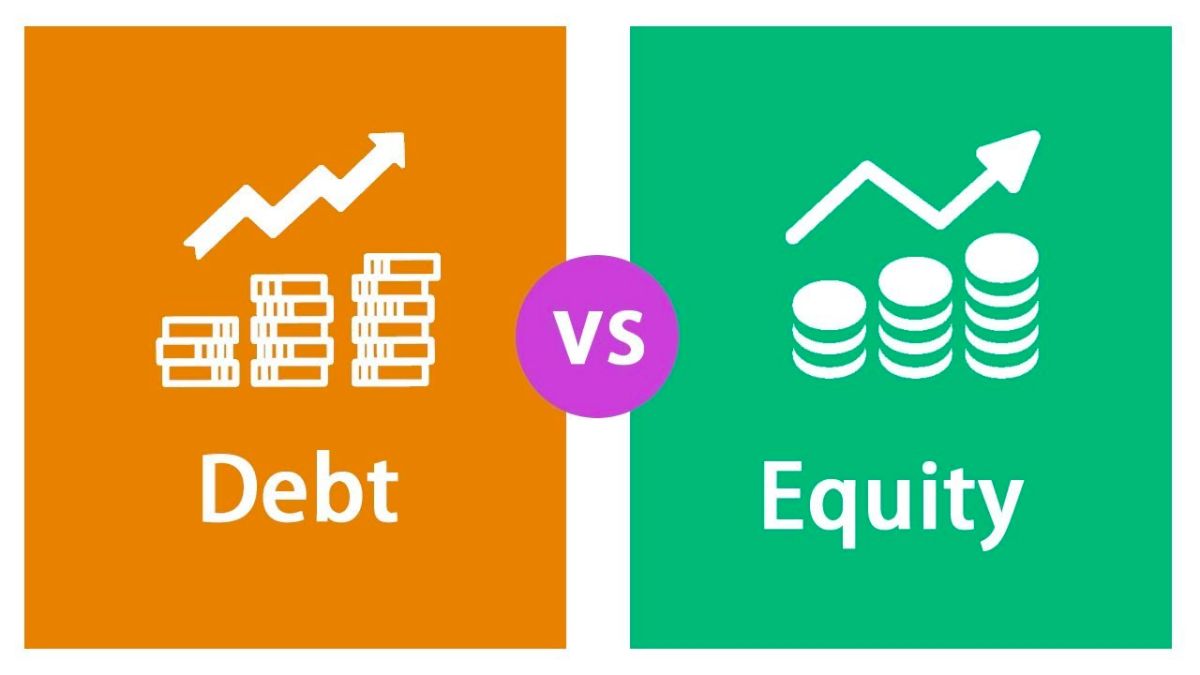
Capital Structure: Debt vs. Equity Financing
In business, the way a company funds its growth can make or break its future. Striking the right balance between debt financing and equity financing is essential for overcoming challenges and seizing opportunities. Debt allows a company to raise funds without giving up ownership, while equity brings in capital without the burden of repayment.
Debt vs. Equity Financing
One of the biggest decisions a business faces is how to finance its growth. Should it take on debt, borrowing money that needs to be repaid with interest? Or should it raise money by selling part of the ownership to get equity? Both options come with distinct advantages and disadvantages, and choosing the right approach can be the difference between thriving and struggling. Let’s dive into the key aspects of each to understand which might be the best fit for different situations.
What is Debt Financing?
Debt financing involves borrowing money, typically through loans or issuing bonds, with the promise to repay it over time, plus interest. Many businesses, from startups to large corporations, use debt to fund expansion, purchase assets, or cover operational costs.
Pros of Debt Financing:
- Ownership Control: One of the main attractions of debt is that it doesn’t dilute ownership. The company borrows funds and repays them, but control remains with the original owners.
- Tax Deduction: Interest payments on debt are usually tax-deductible, reducing the overall tax burden.
- Fixed Cost: Debt payments are predictable, allowing businesses to plan their finances with a clear understanding of future obligations.
Cons of Debt Financing:
- Repayment Obligation: Whether or not the business is performing well, debt must be repaid. If cash flow is low, it can put pressure on the company’s finances.
- Interest Costs: The cost of borrowing can add up, especially for riskier businesses that face higher interest rates.
- Risk of Default: If a company cannot meet its debt obligations, it risks defaulting, which can lead to bankruptcy or severe financial repercussions.
What is Equity Financing?
Equity financing means raising funds by selling company shares, giving investors partial ownership in return. This is commonly used by startups looking to raise large sums or by companies seeking to avoid the burden of debt repayments.
Pros of Equity Financing:
- No Repayment Pressure: Unlike debt, equity doesn’t have to be repaid. Investors share the risk and only see returns if the company is successful.
- Financial Flexibility: With no regular interest payments, the company can use its cash flow to reinvest in growth rather than servicing debt.
- Access to Expertise: Equity investors, especially venture capitalists, often bring industry knowledge, mentorship, and valuable networks, which can drive the business forward.
Cons of Equity Financing:
- Loss of Ownership: When equity is sold, ownership of the company becomes shared. This means that the original owners may lose some control over decision-making.
- Profit Sharing: Investors expect a return on their investment, often in the form of dividends or a share of future profits, which can reduce the earnings available to the original owners.
- Complexity and Cost: Issuing equity, especially through public offerings, can be complex and costly, involving legal fees, regulatory requirements, and administrative work.
Which is Best: Debt or Equity?
The choice between debt and equity financing depends on factors like the company’s stage, goals, and financial health.
- Cost of Capital: Debt usually has lower costs due to interest rates, but too much debt increases risk. Equity is more expensive but doesn’t carry repayment risk.
- Growth Stage: Startups often choose equity due to uncertain cash flows, while established companies may prefer debt for tax benefits and control.
- Financial Flexibility: Companies needing cash flow flexibility lean toward equity, while those with stable cash flows prefer the predictability of debt.
- Risk Tolerance: Firms in volatile industries may avoid heavy debt, whereas stable companies may use debt to retain ownership.
- Ownership: Debt maintains control, while equity offers growth at the cost of shared ownership.
Finding the Right Balance: Optimal Capital Structure
An optimal capital structure strikes the right balance between debt and equity, ensuring that the company can grow while managing risk. Financial experts often use metrics like the debt-to-equity ratio to analyse how much debt a company carries in relation to its equity. A high ratio may indicate an over-reliance on debt, increasing the risk of default. A low ratio, on the other hand, might suggest that the company is not taking advantage of the leverage that debt can provide.
Here’s a graph illustrating the optimal capital structure concept. The x-axis represents the debt-to-equity ratio, ranging from 0 (all equity) to 1 (all debt). The y-axis shows the cost of capital, which tends to follow a U-shaped curve. The red dashed line marks the point of the optimal capital structure, where the cost of capital is minimized, balancing debt and equity efficiently.
This balance ensures that a company leverages debt without becoming overburdened, allowing it to maintain financial flexibility and stability.
As per me, the choice between debt and equity financing should align with a company’s long-term goals and financial health. While debt can offer control and lower costs, equity brings flexibility and shared risk. The key is to strike a balance that supports sustainable growth without compromising stability.


Be First to Comment