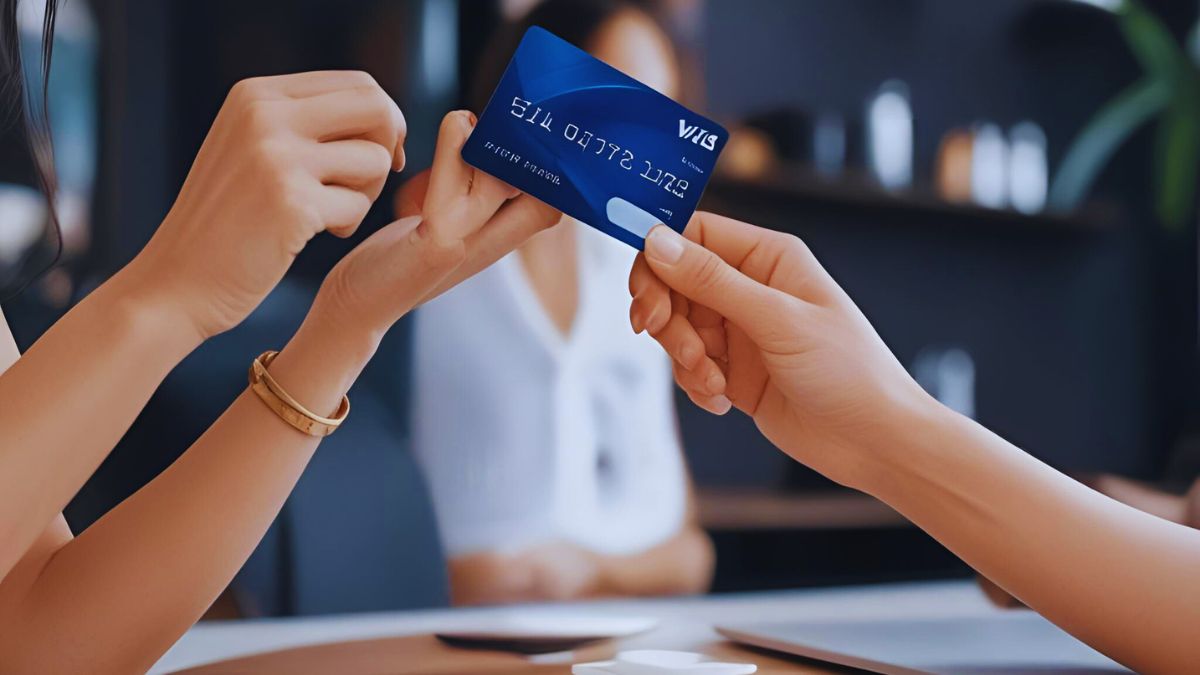
We’re living in the digital era of the 21st century, where in the recent years going cashless has become an unspoken norm. Plastic money and UPI have replaced ‘cash’ as the traditional mode of payment.
Interestingly, the credit card usage in India has seen an exponential rise, driven primarily due to increasing consumer awareness, digitization of economy and the rise of spending capacity amongst the middle-class as a category. With an aggressive push towards creating a cashless economy, credit cards have emerged as a powerful tool for managing personal finances, enabling seamless transactions, improving the credit score and enjoying numerous ranges of benefits it offers. However, a proper understanding of credit cards is crucial in order to leverage their wide scope of benefits without falling into a debt cycle. The changing financial landscape has slowly converted credit card from a luxury asset to a daily necessity. It has seen massive growth, as the number of total credit card holders in India as of January 2025 has surpassed the 10-crore number. Major Indian banks namely HDFC, ICICI and SBI expanded their credit card portfolios and were responsible for almost 90% of the new cards issued, according to data released by the Reserve Bank of India (RBI).
There have been several reasons Indians have shown an interest in using credit cards and this had led to the growth too.
- The rise of e-commerce shopping and digital payments has made people apply for CC.
- Increased urbanization and higher disposable income have provided the flexibility to have more than one card type.
- Consumers now have enhanced awareness of the host of benefits the cards today offer.
- Several financial institutions have been targeting youth, millennials and younger working professionals.
- Indian government’s ‘Digital India’ initiative and acceptability of UPI as the mode of payment have strengthened the card-based payments system.
India’s credit card market offers a wide variety of options that can be customized as per the different spending patterns and income brackets of people. Some of the most popular Credit Card types in India are:
- Fuel Card (e.g., Indian Oil RBL Bank XTRA) – This card has a joining fee of INR 1500, and an annual renewal charge every year of the same amount. The major benefits covered under this credit card are:
- This card by IOCL offers up to 8.5% savings on fuel spends at IOC fuel stations.
- In addition, 1000 fuel points are added to the card upon spending INR 75000 on a quarterly basis.
- There is a 1% fuel surcharge waiver on fuel spends between INR 500 to INR 4,000.
- 3000 fuel points are given as a welcome gift on making the first spend of minimum INR 500 within 30 days of card being operational.
- Shopping Card (e.g., Amazon Pay ICICI Credit Card) – This card has zero joining fee and no annual renewal charge also. The major benefits covered under this credit card are:
- Up to 5% cashback is offered on Amazon purchases made online.
- 1% cashback is provided on al offline spends done through the card.
- The card offers 5% cashback on Amazon spends for Prime members.
- There is also 1% waiver on fuel surcharge across all petrol pumps in India.
- Travel Card (e.g., Axis Atlas Card) – This card has a joining fee of INR 5000 and an annual renewal charge of the same amount, INR 5000. The major benefits covered under this credit card are:
- The card holder can avail access to 12 international lounges every year.
- Up to 18 complimentary domestic lounge visits in a year are given
- 2500 bonus Edge Miles are added in the card as a welcome gift
- You can earn up to 05 Edge Miles for every INR 100 spent on travel
- You can redeem the earned points to book flights, hotels and travel experiences via Axis Travel EDGE platform. (1 Edge Mile = INR 1, ratio is 1:1)
- Cashback Card (e.g., HDFC Millennia Card) – This card has a joining fee of INR 1000 and a renewal charge of INR 1000 too. The major benefits provided with this credit card are:
- The card holder gets a 5% cashback via shopping on Amazon, Zomato, Flipkart, Myntra & more.
- There is a 1% cashback on spends at other categories
- 1% fuel surcharge waiver is given on transactions between Rs. 400 and Rs. 5,000.
- There is a 20% off on dining at partner restaurants via Swiggy Dineout
- If the spend is more than INR 1 Lakh per quarter, then 01 complimentary lounge access is rewarded.
Some factors to consider when choosing a credit card include:
- Annual Charges: Majority of the cards have a fee amount which gets charged once a year, but there are some cards that waive the annual fee if the spending amount meets the minimum set limit.
- Rewards System: Any customer should ideally look for a credit card that matches your spending habits – whether it is more travel, ration, fuel or online shopping based.
- Welcome Gifts: Upon signing up for a new credit card, some banks offer introductory bonus gifts in the form of cashback or bonus points.
Major Benefits of using Credit Cards: Credit cards offer a range of benefits that go beyond just convenience. Here’s a look at how Indian consumers can make the most of credit card usage:

- Rewards, Cashback, and Discounts
The first and foremost reason there has been a surge in more people adopting the credit card payment mode is because of the reward points issued for every rupee spent. Most credit cards today come loaded with exciting offers and incentives to make you use them for longer periods of time. These accumulated points can be redeemed for shopping vouchers, travel bookings (air miles), cashback or for clearing the outstanding dues. Many different cards offer exclusive discounts on dining, travel, fuel, entertainment, retail and online shopping through partnerships with brands and service providers, that helps to save big money.
- EMI Facility
Another important benefit that credit cards offer is for people with less-income annually or individuals with less personal savings. Suppose if you plan to purchase something expensive and don’t want to spend the entire savings into it, you can choose to put it on your credit card to delay the payment and later settle off the total amount through the equated monthly instalments (EMI) mode. This does not hurt your bank balance immediately as paying via EMI is more viable than taking a personal loan. However, not all credit cards offer this facility. It’s important to check the listed terms and conditions of the chosen card to see if it’s available and what the eligibility criteria is.
A credit score in simple terms is a three-digit number ranging anywhere from 300 to 900, that reflects an individual’s creditworthiness and the ability to repay any kind of loan. It’s a key factor taken into consideration by banks and credit card companies, to assess the risk of lending money. A good credit score is essential in case you wish to avail any kind of loan. Responsible and timely payments of the due card amount, regularly monitoring the credit utilization and regular usage—helps in building a strong credit record. A higher CIBIL score (700 and above) and regular credit card spending with bill settlement is seen as a way to assess a potential loan applicant’s creditworthiness.
- Convenience and Security
A big benefit that almost every credit card offers is the simplified approach of not having to carry around large amounts of cash. The plastic card is quite a powerful money tool, which is accepted widely both online and offline, in domestic and international markets. Most cards come with a good level of security features such as EMV Chip, two-factor authentication, and SMS/Email/Call alerts for every transaction. These security steps make it relatively safe and reliable to use as a payment option and trace the transaction history if required, which is not possible with cash. The biggest positive however is that a credit card gives an easy access to taking credit, as an individual does not have to instantly shell out money from his or her own savings and defer certain payments. You get to use your card today and actually pay for the purchases at a later date. The money spent during a transaction is not from the personal account, which does not impact your bank balance every time you swipe the card.
- Interest Free Credit Period
A credit card gives its holder something known as an interest-free credit period, which is a period of time during which your outstanding credit is not charged interest. It typically ranges from 20-30 days for majority of the cards in India. If the cardholder clears the full bill before the due date, they effectively get to use the bank’s money for free and this is highly beneficial in managing short-term cash flows. Thus, as a working or non-working professional, one can gain good advantage from a credit advance without having to pay the charges associated with having an outstanding balance on your credit card.
Like every pro, there are some cons as well of using a credit card since there are many risks associated with it. If you fail to pay the credit card bill on time, various additional expenses have to be incurred such as late payment fee and hefty interest charges. The interest rate can range anywhere between 2.5% – 3.5% per month on the outstanding balance. Regular defaulted payments over a prolonged period of time may even lead to withdrawal of the interest-free period, reduced credit limit and lower credit score by CIBIL. One must make an informed decision before applying for any credit card, understand the charges and benefits in detail and then choose the option that fits their requirement the best.


Be First to Comment