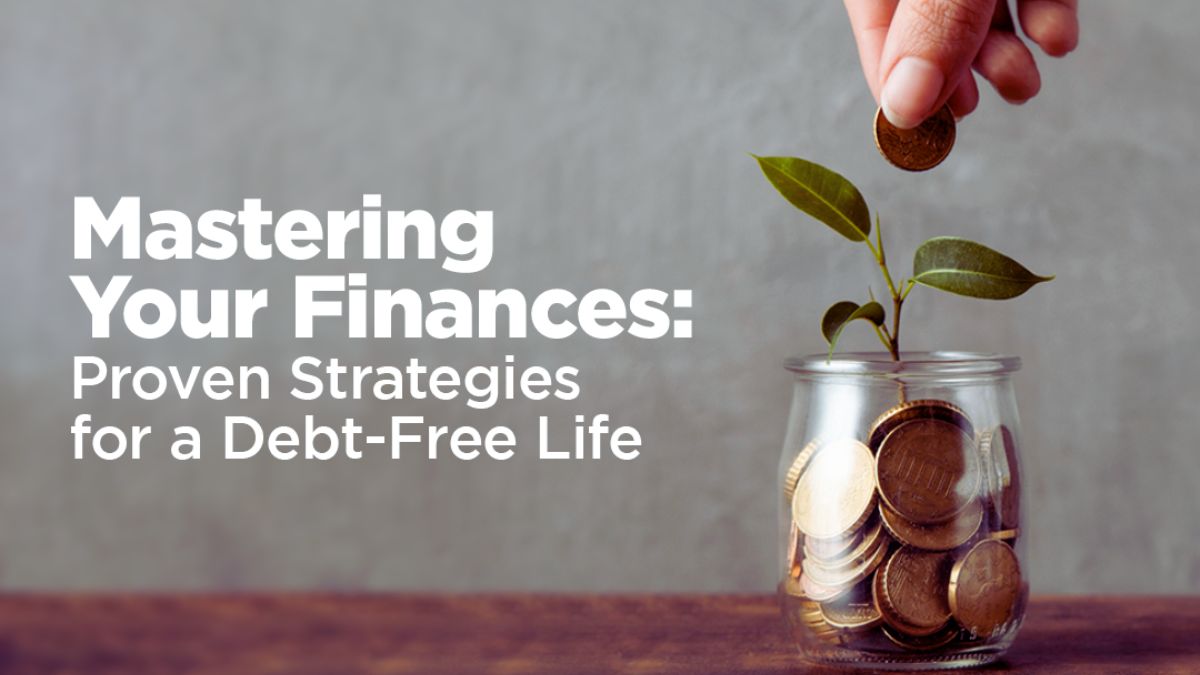
Mastering Your Debt: Effective Strategies for Financial Freedom
Effectively managing debt is essential for attaining financial stability and a worry-free life. Whether it’s a mortgage, student loans, credit card balances, or personal loans, debt can quickly become overwhelming if not handled properly.
The key to successful debt management lies in understanding your financial situation, setting realistic goals, and implementing strategies that help you pay down debt while maintaining a healthy financial outlook.
Debt can be a heavy burden, but with the right strategies, you can manage it effectively and regain control of your finances. Here are some proven techniques to help you tackle debt and achieve financial freedom:
- Create a Budget:
- Track Your Spending: Understand where your money is going by tracking your income and expenses.
- Identify Areas for Cuts: Look for unnecessary expenses that you can reduce or eliminate.
- Prioritize Your Needs: Focus on essential expenses and cut back on non-essentials.
- Prioritize High-Interest Debt:
- Focus on Credit Cards: Credit cards often have high-interest rates. Settle them as quickly as possible.
- Snowball Method: Start by paying off the smallest debt first, gaining momentum and motivation along the way.
- Debt Consolidation: Think about combining multiple debts into one loan with a lower interest rate.
- Create a Debt Repayment Plan:
- Set Clear Goals: Determine a realistic timeline for paying off your debt.
- Develop a Strategy: Choose a debt repayment method like the debt avalanche or debt snowball method.
- Stick to Your Plan: Stay committed to your plan and avoid accumulating new debt.
- Negotiate with Creditors:
- Contact Your Lenders: Reach out to your creditors to discuss your financial situation and explore options like payment plans or interest rate reductions.
- Be Proactive: Don’t wait until you’re in default to negotiate.
- Avoid Impulse Purchases:
- Consider Your Needs: Before buying, determine if it’s essential or just a desire.
- Wait It Out: Give yourself time to think before making impulsive decisions.
- Seek Professional Help:
- Credit Counselling: Consider consulting with a credit counsellor for personalized advice and guidance.
- Debt Management Plans: Explore debt management programs that can help negotiate with creditors and create a repayment plan.
- Stay Motivated:
- Celebrate Milestones: Recognize and reward yourself for the progress you’ve made.
- Stay Positive: Maintain a positive mindset and believe in your ability to overcome debt.
- Build an Emergency Fund
- Build a savings cushion: Save enough to cover 3-6 months of living expenses.
- Avoid using credit cards for emergencies: Use your emergency fund to cover unexpected costs.
- Avoid New Debt
- Resist the urge to borrow: Focus on paying off existing debt before taking on new obligations.
- Use cash or debit cards: Limit the use of credit cards to avoid accumulating new debt.
- Monitor Your Progress
- Track your progress: Frequently review your budget and debt repayment plan.
- Educate Yourself
- Learn about personal finance: Understand the basics of budgeting, debt management, and credit.
- Stay informed: Follow the latest financial news and trends.
Gaining control over your finances demands discipline, dedication, and a proactive mindset. By implementing the strategies outlined in this guide, you can manage your debt effectively, establish a solid financial foundation, and reach your financial goals.
Remember, the path to financial freedom is ongoing. Stay updated, seek professional advice when necessary, and stay committed to your financial health. With perseverance and the right strategies, you can overcome debt and create a brighter financial future.






Be First to Comment