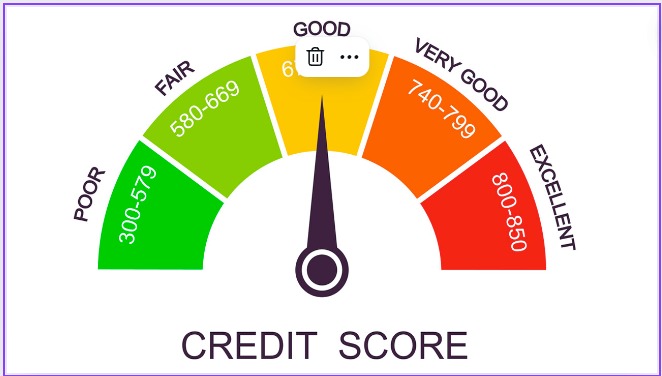
Your credit score is like a financial fingerprint, which represents your creditworthiness. Lenders use it to assess your risk before approving loans and determining interest rates.
What is a Credit Score?
A credit score is an important factor that impacts many aspects of your financial life. Whether you’re applying for a loan, a credit card, or even renting an apartment, your credit score often plays a decisive role. Understanding how credit scores affect loan approval and interest rates, as well as knowing strategies to improve and maintain a good credit score, can empower you to make better financial decisions.
How Credit Scores Work
Your creditworthiness is represented numerically by your credit score, which normally ranges from 300 to 850. A higher score indicates lower risk, making you more likely to be approved for loans with favourable terms and lower interest rates. On the other hand, a lower score indicates more risk, which can result in loan rejections or higher interest rates.
- Payment History: Timely payments are crucial.
- Outstanding Debt: Keeping your debt levels low compared to your credit limits helps increase your score.
- Credit History Length: A longer history of managing credit responsibly is advantageous for your score.
- Credit Mix: Having a mix of different types of credit accounts, such as credit cards and loans, can boost your score.
- Recent Credit Inquiries: Applying for new credit too often can hurt your score.
Significance of Credit Scores in Loan Approval
It is calculated based on your credit history, including factors like payment history, outstanding debt, length of credit history, types of credit used, and recent credit inquiries. Here’s how it plays into loan approval:
- Loan Approval: Lenders use credit scores to assess the risk of lending money to an individual. A higher credit score means less risk, improving your chances of getting a loan approved. In contrast, a lower credit score indicates higher risk, potentially resulting in loan denial or approval with less favourable terms.
- Interest Rates: Interest Rates: Credit scores influence loan interest rates. Borrowers with higher credit scores typically receive lower rates, as they are viewed as less risky. Lower interest rates can save you a lot of money over the life of a loan. On the other hand, a lower credit score could result in higher interest rates, increasing the cost of borrowing.
- Loan Amount and Terms: A good credit score can also influence the loan amount you qualify for and the terms of the loan. Lenders might offer larger loan amounts and more flexible repayment terms to borrowers with strong credit scores.
How a person can Improve and Maintain a Good Credit Score?
To keep a good credit score, you need to manage your finances carefully and use credit responsibly. Here are some effective strategies:
- Pay Your Bills on Time: Payment history is the most significant factor in your credit score. Consistently paying your bills on time, including credit cards, loans, and utilities, helps build a positive payment history. One late payment might have a negative impact on your score.
- Reduce Outstanding Debt: High levels of debt relative to your credit limits can lower your credit score. Aim to pay down your balances and keep your credit utilization ratio (the amount of credit you’re using compared to your credit limits) below 30%. This demonstrates responsible credit management.
- Limit New Credit Applications: Whenever you apply for new credit, your credit report is subject to a hard inquiry, which may temporarily reduce your score. Limit the number of credit applications you make, and avoid opening new accounts unless necessary.
- Maintain Long-Term Credit Accounts: The length of your credit history also influences your score. Keeping older accounts open, even if you’re not using them, can help improve your score by increasing the average age of your credit accounts.
- Diversify Your Credit Mix: Having a variety of credit types (e.g., credit cards, instalment loans, mortgages) can positively impact your credit score. However, only take on new credit that you can manage responsibly.
- Regularly Review Your Credit Report: Mistakes on your credit report can hurt your credit score. Regularly check your credit report for errors or inaccuracies, and dispute any that you find with the credit reporting agencies.
- Use Credit Monitoring Services: Consider using credit monitoring services to keep track of your credit score and receive alerts about changes to your credit report. This can help you stay on top of your credit health and take action if needed.
By regularly checking your credit score and taking steps to improve it, you can enhance your financial opportunities and secure better loan terms.






Be First to Comment