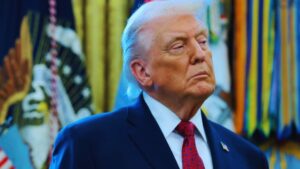
Nationals from countries including Afghanistan, Haiti and Sudan fully restricted, while seven other countries with partially restrictions listed.
The incumbent US President Donald Trump has been creating headlines and shocking news-waves ever since he took charge and assumed responsibility of the world’s most powerful economy and biggest superpower. The United States leader has a signed a controversial order which bars the entry to citizens from 12 different countries citing national security and concerns over visa overstays.
The ban affects the listed nations, which includes ‘full’ restriction on the below 12 countries,
- Afghanistan
- Iran
- Haiti
- Sudan
- Myanmar
- Chad
- Libya
- Somalia
- Republic of the Congo
- Equatorial Guinea
- Yemen
- Eritrea
As per the official proclamation, the entry of nationals of Burundi, Cuba, Laos, Sierra Leone, Togo, Turkmenistan and Venezuela will be partially restricted. The US Republican government aims to actively control any immigrant activity and limit the entry. This apparent move echoes Trump’s previous travel bans, and could possibly affect families, disrupt communities, harm people and disproportionately affect immigrants from marginalized sections.
POTUS Donald Trump has defended the policy following a violent incident in Colorado, one of the premium areas in the United States, which involved a foreign national. The new order also contains details on visa restrictions for foreign students. Donald Trump has signed a sweeping order banning travel from 12 countries and restricting travel from seven others, reviving and expanding the travel bans from his first term.
The US President stated that he “considered foreign policy, national security, and counterterrorism goals” in deciding the scope of the ban. Donald Trump had initiated the ban in an executive order signed on 20 January, 202, on his first day in the White House as the 47th President and instructed his administration to submit a list of candidates for a potential ban by 21 March 2025.
- Advocates and experts have expressed their views on the blanket travel ban, which openly discriminates against groups of people based on ethnicity alone. They will likely result in the separation of families, as seen during his first term as the head of state.
- The bans on travel from Haiti, Cuba and Venezuela could be especially impactful in US communities with huge immigrant populations from those countries residing in different parts of the nation.
- The decision to ban travel from these countries comes amid a wave of stringent immigration policies that Trump has issued, including cancelling temporary protected status for immigrants from a number of countries that are facing deep humanitarian crises.
- In a bold step, he has also signed an order to restrict foreign student visas at Harvard University and instructed US consulates to carry out detailed social media screening of every visa applicant seeking to travel to the university.
Having instituted a travel ban on Muslim countries early in his first term in January 2017, Trump decided to trail his plans for a new ban during his campaign last year. The supposed travel ban, which has been opposed openly by the citizens and federal courts on civil liberties grounds, but the US Supreme Court has allowed the ban to stand corrected. According to the court, the ban fell within the remit of a president’s national security powers, and now with its implementation going live, several areas with protests and public uproar are expected to rise soon.

Helene Elliott is the Lead Science & Space Reporter at News Raise. She reports on aerospace missions, astrophysics discoveries, quantum research, and environmental technology.