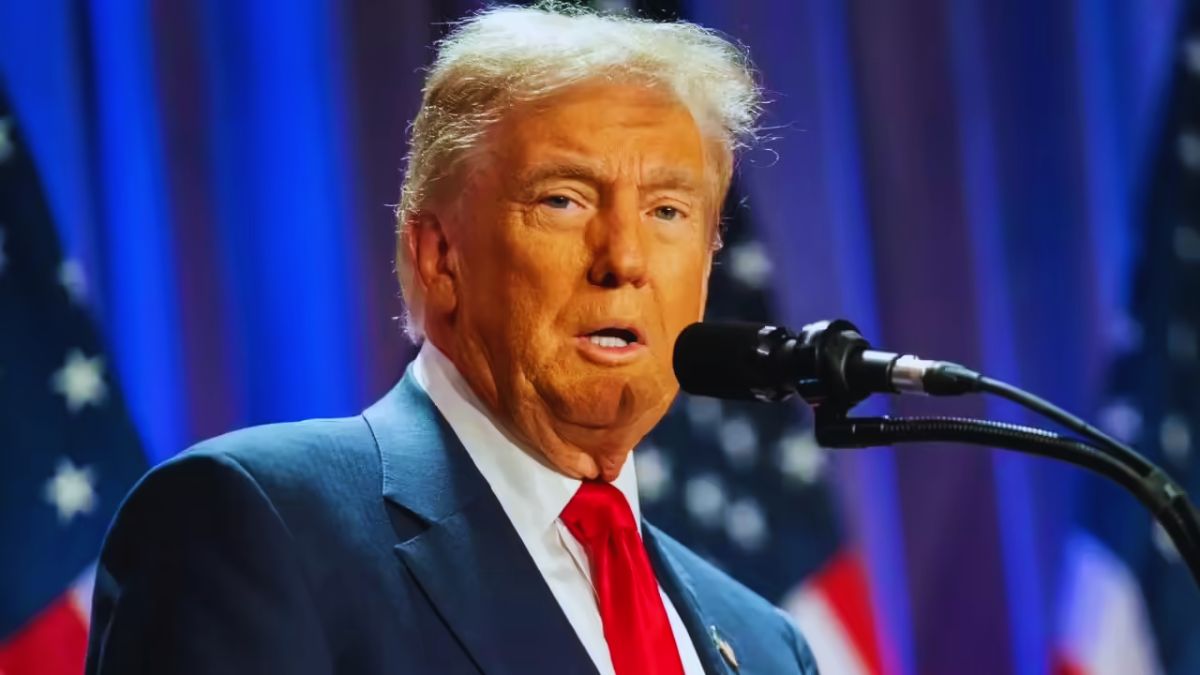
A bipartisan group of US lawmakers has voiced strong opposition to the Trump administrations proposed $100,000 fee on new H-1B visa applications.
The lawmakers have urged President Donald Trump and Commerce Secretary Howard Lutnick to work with Congress to reform the existing system instead of imposing steep financial barriers. According to a report by Axios, the letter—led by Democratic Representative Sam Liccardo from California and co-signed by Republican lawmakers Jay Obernolte, Maria Salazar, and Don Bacon—calls for a collaborative effort to modernize the H-1B program.
The lawmakers have proposed exploring options such as restrictions on outsourcing firms, improving visa portability, revising eligibility criteria, enhancing enforcement, and restructuring the fee system.
What Is the H-1B Visa Program?
The H-1B visa allows US companies to employ foreign professionals in specialty occupations that require advanced technical or theoretical knowledge—typically positions demanding at least a bachelor’s degree or equivalent.
- These roles often include jobs in technology, engineering, and finance, and the visa also extends to fashion models of distinguished merit and ability, according to the US Department of Labor.
- The program is crucial for American businesses that rely on global talent, particularly in the tech sector.
- However, the Trump administration’s new fee has sparked criticism for being unrealistically high, potentially discouraging startups and smaller firms from hiring skilled international workers.
Indians Most Affected by the New Fee
Indians form the largest group of H-1B visa holders in the United States. US administration data shows that about 70% of new H-1B visa allocations go to Indian professionals, followed by Chinese nationals at 11–12%. Currently, around 300,000 Indian workers are employed in the US on H-1B visas, primarily in the IT and services sectors.
Liccardo, who represents Silicon Valley in the US House of Representatives, highlighted growing concerns among startup founders and venture capitalists about the negative impact of the $100,000 fee on innovation and competitiveness. He emphasized that reforms should focus on balancing immigration control with economic growth rather than stifling access to skilled global talent.
Chamber of Commerce Challenges the Fee
Adding to the pushback, the US Chamber of Commerce has filed a lawsuit against the Trump administration over the new visa fee. The Chamber argues that the policy violates the Immigration and Nationality Act, which mandates that fees should correspond to actual administrative processing costs, not serve as barriers to entry.
“The Chamber’s litigation argues that the new fee is unlawful because it overrides provisions of the Immigration and Nationality Act that govern the H-1B program,” the organization stated.
Liccardo expressed optimism that the courts may overturn the new fee, opening the door for comprehensive reform of the H-1B system. However, he acknowledged that immigration policy remains a politically sensitive topic in the United States.
A Call for Immigration Reform
Critics argue that the perception of immigrants ‘taking jobs away‘ from American workers is misguided. In reality, high-skilled immigration drives job creation, innovation, and overall economic growth. The H-1B program, when properly managed, enables US companies to fill crucial talent gaps, attract global innovators, and strengthen the economy.
As the debate continues, lawmakers across party lines agree that the US needs an updated, balanced, and fair immigration policy—one that protects American workers while also maintaining the country’s position as a global hub for talent and technology.

Helene Elliott is the Lead Science & Space Reporter at News Raise. She reports on aerospace missions, astrophysics discoveries, quantum research, and environmental technology.