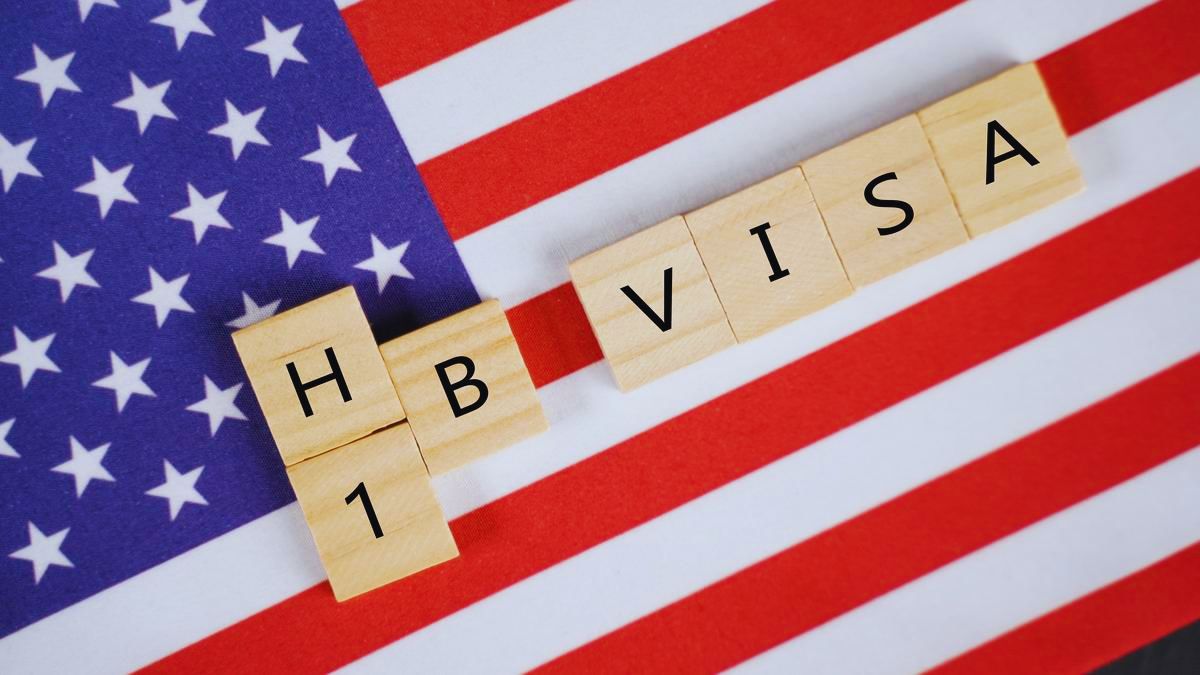
The Trump administration has unveiled a new proposal to reform the H-1B visa program, aiming to prioritize higher-skilled and better-paid foreign workers. The announcement, published in the Federal Register on September 23, 2025, marks the latest move in the White House’s broader immigration crackdown.
The H-1B is a classification of non-immigrant visa in the United States that allows U.S. employers to hire highly educated foreign professionals in specialty occupations. There isn’t a single ‘US work visa’ but rather various employment-based visa categories, with the H-1B visa being the most common for highly skilled foreign workers in specialized occupations. Other significant work visa types include the
- L-1 visa for intracompany transferees
- O-1 visa for individuals with extraordinary abilities
- H-2A/H-2B visas for temporary agricultural and non-agricultural workers, respectively.
Focus on Wage-Based Selection
Under the proposed rule, the H-1B visa lottery system would be restructured to favor employers offering higher salaries. Currently, when annual applications exceed the statutory cap of 85,000 visas, a random lottery system is used. The new approach would introduce wage-based tiers, giving a stronger chance of selection to jobs with higher pay.
According to the Department of Homeland Security (DHS), this change is intended to protect American workers from “unfair wage competition” by discouraging the hiring of foreign employees at lower salary levels. The regulation could go into effect before the March 2026 registration period, significantly impacting how companies recruit global talent.
The proposal follows a White House proclamation on September 19, 2025, introducing a $100,000 annual fee for new H-1B visas. Initially, the announcement created confusion, with reports that existing visa holders might also be affected. However, the administration later clarified that the fee would only apply to new visa applications, not renewals.
Tech giants and outsourcing firms, which are among the heaviest users of H-1B visas, expressed concern about the changes. Some even advised foreign employees to remain in the U.S. until the rules were clarified, causing a temporary scramble among workers trying to return before potential restrictions were enforced.
Economic Impact of the Visa Change
DHS projections suggest that the new system would significantly raise wages for foreign workers. Total wages paid to H-1B holders could increase by:
- $502 million in fiscal year 2026,
- $1 billion in 2027,
- $1.5 billion in 2028,
- and an estimated $2 billion annually from 2029 through 2035.
While the government argues this will level the playing field for American workers, DHS also acknowledged that nearly 5200 small businesses relying on H-1B workers could face major economic challenges due to reduced access to affordable skilled labor.
The U.S. Citizenship and Immigration Services (USCIS), which issued the proposal, will open a 30-day public comment period beginning September 24, 2025. Finalizing the regulation could take several months—or even years—depending on legal challenges and policy reviews.
If enacted, the reform would mark one of the most significant overhauls of the H-1B visa program in decades, reshaping the way American companies hire global talent and potentially redefining the balance between protecting U.S. wages and supporting business innovation.

Helene Elliott is the Lead Science & Space Reporter at News Raise. She reports on aerospace missions, astrophysics discoveries, quantum research, and environmental technology.