US Job Market Stalls in 2025, Raising Fears of Deeper Weakness in 2026
The US labor market showed clear signs of being slow throughout 2025, leaving job seekers facing one of the toughest hiring environments in years. Economists now warn that while the market has largely remained frozen, the greater risk heading into 2026 is that underlying pressures could cause it to deteriorate further.
Unemployment Rises as Job Growth Slows
According to the latest government data released, the US unemployment rate climbed unexpectedly to 4.6% in November, marking its highest level since mid-2021. While still relatively low by long-term standards, the increase reflects mounting stress in the labor market.
Job creation has also weakened considerably. Payroll data indicates that the US economy shed approximately 41,000 jobs across October and November, while hiring activity has remained near levels last seen during the early stages of the pandemic and following the Great Recession.
- At the same time, layoffs have begun to edge higher, adding to concerns about future stability.
- Consumer sentiment mirrors these developments. A recent survey showed that most Americans now expect unemployment to rise over the coming year.
Volatile Labor Market
Economists describe the current environment as a ‘low-hire, low-fire‘ market, where employers are hesitant to expand payrolls but are also reluctant to make large cuts. Analysts at the Indeed Hiring Lab cautioned last month that the central question is no longer whether hiring will rebound, but whether the market could weaken further under sustained pressure.
Healthcare has remained one of the few bright spots, accounting for nearly half of all job gains in 2025 as of late summer. However, experts warn that any slowdown in that sector without growth elsewhere – could significantly worsen overall employment conditions.
Federal Reserve Signals Downside Risks
The Federal Reserve has acknowledged growing strains in the labor market. Its most recent projections suggested unemployment would peak at 4.5% this year, a level that has already been surpassed, before easing slightly by the end of 2026.
Fed Chair Jerome Powell recently described the job market as being “under pressure,” noting that net job creation could turn negative. He emphasized that employment trends carry meaningful downside risks for the broader economy. December employment figures are expected on January 9, 2026, following delays caused by a 43-day federal government shutdown that disrupted data processing. Economists are watching the upcoming release closely for signs of whether conditions are stabilizing or worsening.
Young Workers Face Steep Challenges
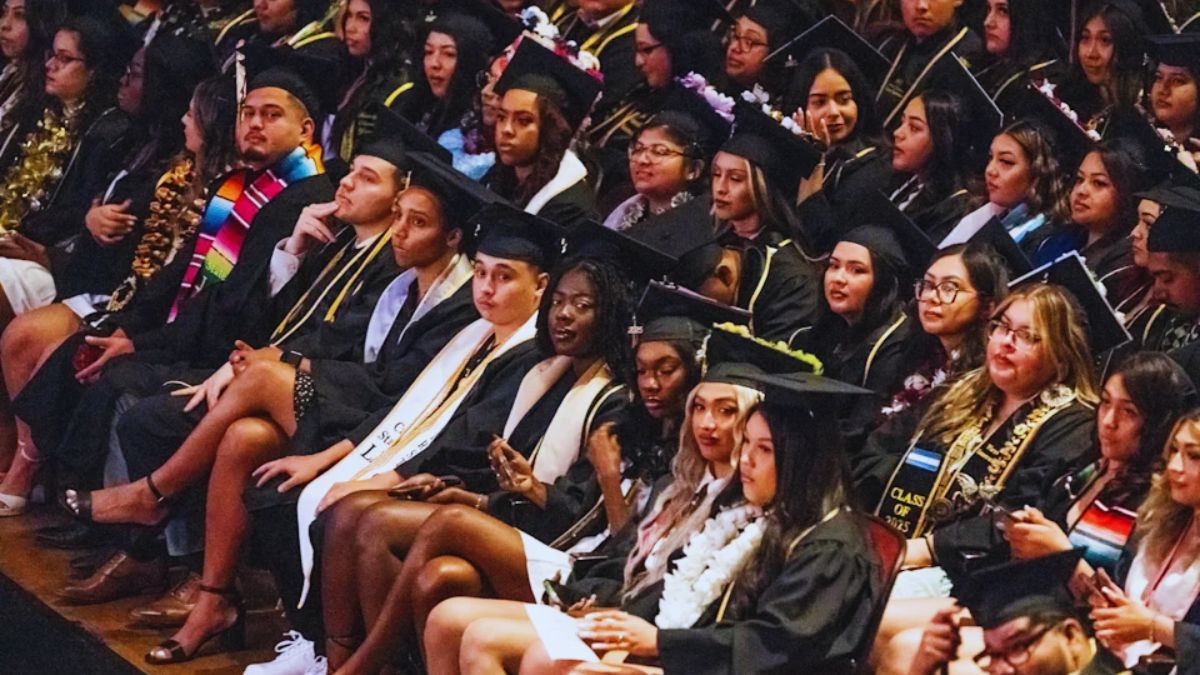
The slowdown has been particularly difficult for younger Americans entering the workforce. A survey conducted by the National Association of Colleges and Employers (NACE) found that more than half of employers rated job prospects for the class of 2026 as poor or only fair—levels comparable to the depths of the pandemic. Most employers indicated plans to keep staffing levels unchanged, with projected hiring for new graduates expected to rise by just 1.6%, effectively flat year over year.
Skills, AI, and Structural Shifts
Career experts advise students to strengthen their resumes through internships, campus jobs, and skills development, especially in artificial intelligence. However, AI also presents risks: a portion of employers have already begun discussing replacing entry-level roles with automation.
Meanwhile, economists note that lower immigration levels and an aging population are reducing labor supply, which may limit unemployment increases even amid weak hiring. As a result, payroll gains needed to keep unemployment steady are now significantly lower than in past cycles.
While a recession is not guaranteed, economists warn that even a mild downturn could disproportionately impact historically vulnerable workers. For now, the US labor market appears set to remain sluggish, with limited opportunities and elevated uncertainty well into 2026.

Helene Elliott is the Lead Science & Space Reporter at News Raise. She reports on aerospace missions, astrophysics discoveries, quantum research, and environmental technology.