China is Set to Take Centre Stage at G20, as US Absence Opens Space for Greater Influence in Africa
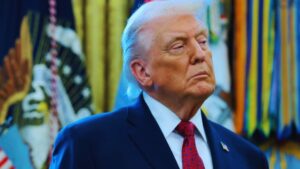
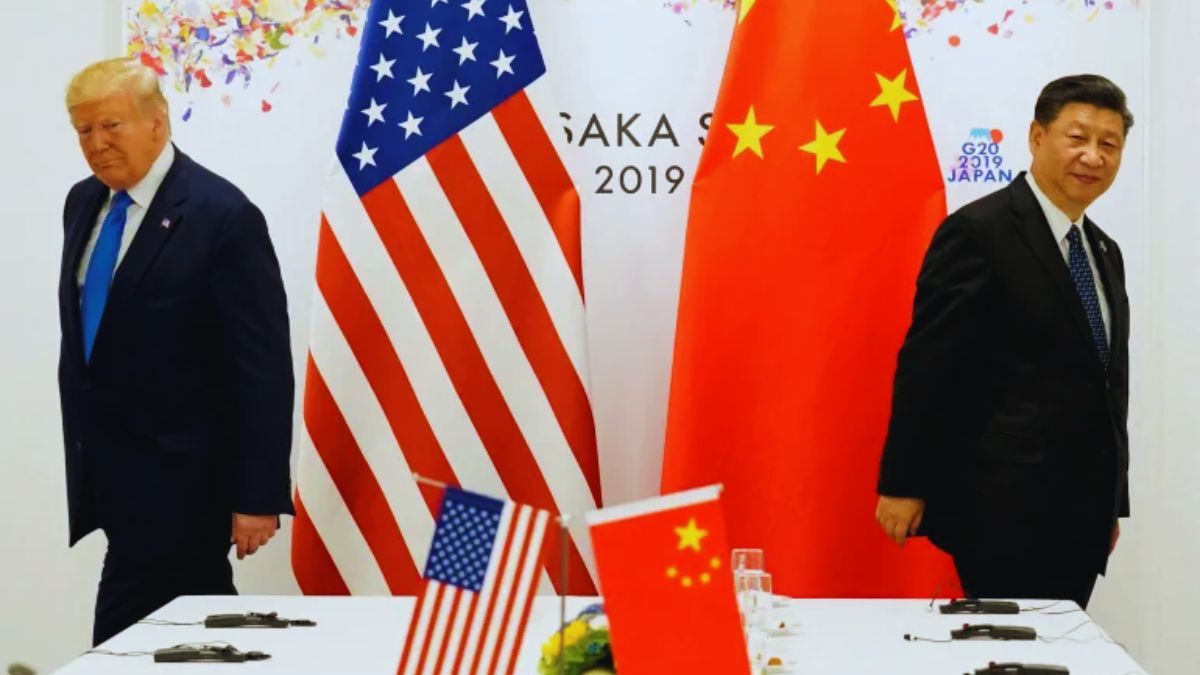
Beijing is expected to adopt a friendly and cooperative tone at this year’s G20 Summit in South Africa, using the platform to deepen its growing impact across the African continent. The geopolitical dynamics shifted sharply after US President Donald Trump announced that Washington would skip the two-day summit, creating a political vacuum that analysts believe China is eager to fill.
The United States said it would not attend the gathering in Johannesburg, citing widely disputed claims that post-apartheid South Africa discriminates against its white minority. The allegation triggered strong reactions from South African President Cyril Ramaphosa, who dismissed Trump’s remarks as ‘unfounded and counterproductive‘.
Later, the speculation grew that Washington might still send an official representative, suggesting a partial reversal of Trump’s earlier decision. Even so, the controversy has crossed the summit’s opening and heightened global attention on China’s participation.
President Xi Jinping, who has reduced his foreign travel in recent years, has delegated the high-profile appearance to Premier Li Qiang.
- China’s choice to send a senior representative underscore its intention to project stability and reliability at a moment when the US is increasingly perceived as retreating from multilateral forums.
- According to analysts, Washington’s absence does not signal an end to the US-led global order, but it does highlight waning American enthusiasm for shared global governance.
- Within this context, Beijing sees an opportunity to present itself as the more predictable partner—supporting open trade, multilateral cooperation and deeper engagement with nations of the Global South.
China Looks to Expand African Presence at Historic G20
This year’s summit marks a milestone as the first G20 hosted on African soil, with South Africa holding the presidency and the African Union participating as a full member.
- The agenda reflects priorities of African nations, including debt restructuring, accelerating economic growth, green energy transition and climate resilience.
- China has long signaled its ambitions in clean energy leadership, and African economies – with their mineral resources and rapidly expanding populations, that offer strong potential for collaboration.
- In September 2025, Beijing signed a USD $1.4 billion agreement to upgrade the historic ‘Tazara Railway’ linking Tanzania and Zambia.
- The project aims to boost rail-sea connectivity and secure easier access to Zambia’s minerals while supporting trade expansion in resource-rich East Africa.
Experts note that the Chinese and African economies are highly complementary: Africa needs affordable energy and infrastructure, while China seeks new markets and steady supplies of raw materials. A recent report from the energy research group Ember highlighted this synergy, revealing that African imports of Chinese solar panels surged by 60 percent in the year leading up to June 2025.
As global attention shifts to Johannesburg, China’s performance at the G20 will be closely watched. With the US stepping back, Beijing is expected to emphasize cooperation, diplomacy and long-term partnership—positioning itself as a stabilizing force and a leading advocate for developing nations.

Helene Elliott is the Lead Science & Space Reporter at News Raise. She reports on aerospace missions, astrophysics discoveries, quantum research, and environmental technology.