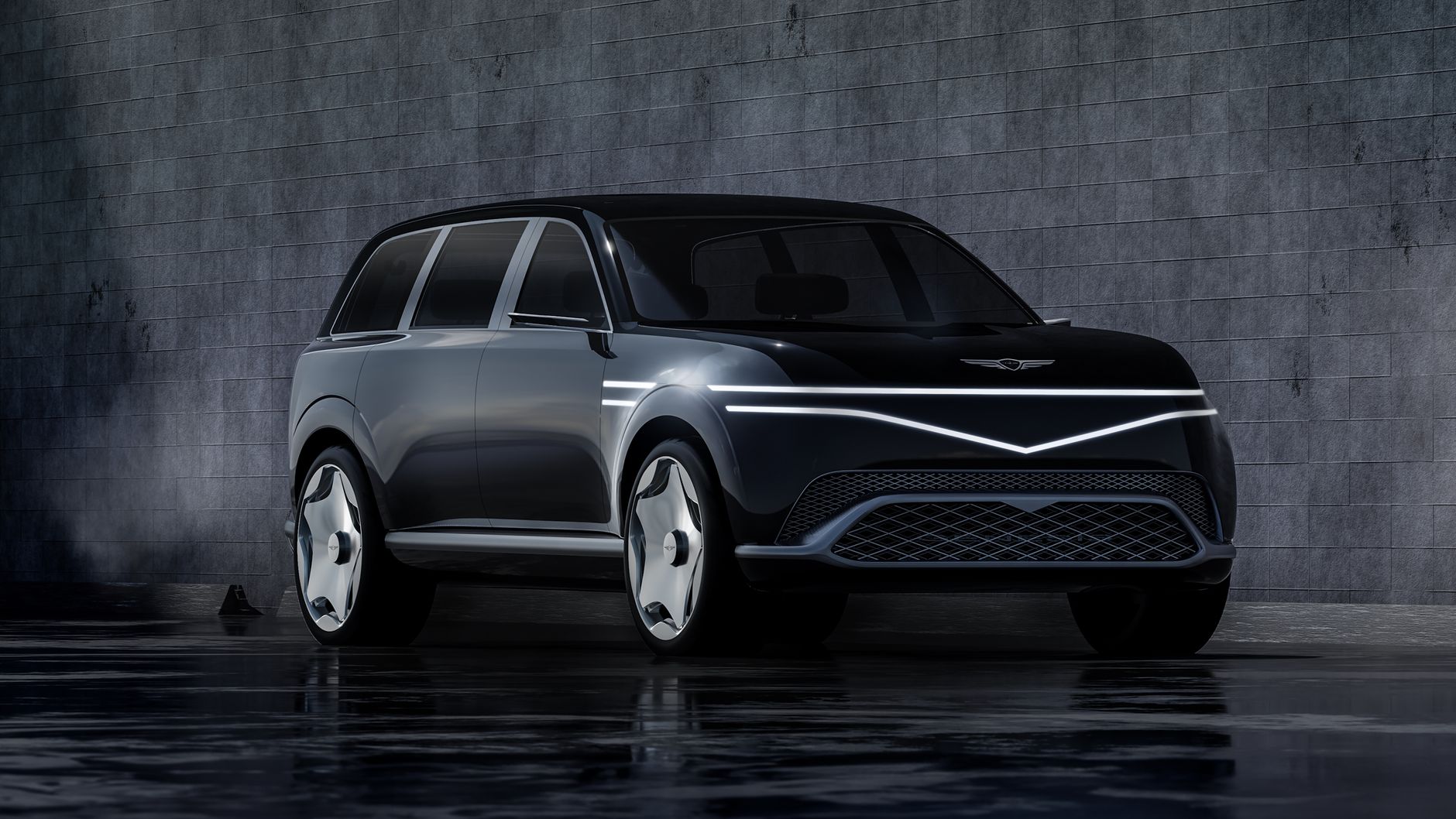
Rivian has officially begun delivering its R2 sport utility vehicle, a critical new model for the electric vehicle manufacturer. The R2 represents a significant step for Rivian as it aims to broaden its appeal and establish itself as a more mainstream automotive brand, akin to Tesla’s market penetration.
Strategic Importance of the R2
The R2 SUV is positioned as a more accessible and broadly appealing vehicle within Rivian’s lineup. While the company has gained recognition for its R1T pickup truck and R1S SUV, these models cater to a more premium segment of the market. The R2 is designed to compete in a higher volume segment, potentially attracting a wider customer base and driving significant sales growth. Industry observers have frequently cited the R2 as the vehicle that could transform Rivian from a niche EV maker into a household name.
Early reviews and industry commentary suggest the R2 is poised to be a strong contender in the competitive EV SUV market. It is being positioned as a direct competitor to popular models such as the Tesla Model Y, aiming to offer a compelling alternative with Rivian’s signature blend of performance, design, and utility. The success of the R2 is therefore seen as paramount to Rivian’s long-term strategy and its ability to scale production and achieve profitability.
Market Positioning and Future Outlook
Rivian, based in Irvine, California, has been working to navigate the challenging landscape of the electric vehicle industry. The company has faced production hurdles and intense competition from established automakers and newer EV startups alike. The commencement of R2 deliveries marks a key milestone in the company’s roadmap, signaling progress in bringing its next-generation vehicles to market.
The introduction of the R2 is expected to significantly impact Rivian’s market share and financial performance. By offering a vehicle at a potentially lower price point than its R1 series, Rivian aims to capture a larger segment of the growing EV market. This strategic move is critical for the company as it seeks to establish a sustainable business model and compete effectively against established players and emerging threats in the rapidly evolving automotive sector.

Norman Pearlstine is the Executive Editor and Co-Founder at News Raise. With over two decades of experience across financial journalism, corporate governance, and market analysis, Norman leads the editorial direction and ensures strict adherence to journalistic accuracy and ethics.