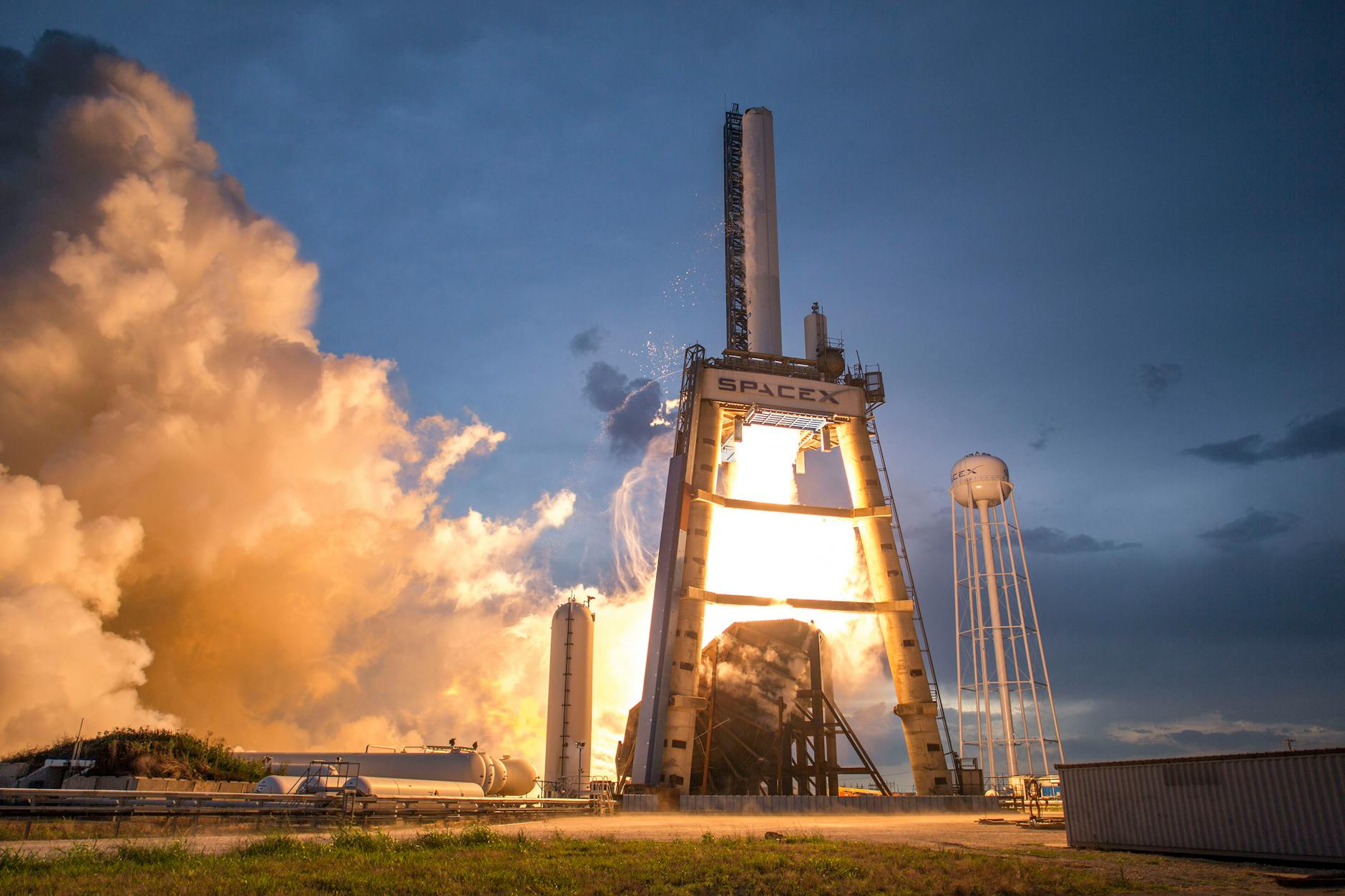
SpaceX, the space exploration, satellite internet, and AI company led by Elon Musk, is scheduled to go public on Friday, positioning itself for what is expected to be the largest initial public offering (IPO) in history. The company aims to raise $75 billion at a valuation of $1.75 trillion.
The offering has established a listing price of $135 a share, a move that bypasses the conventional price discovery process typically used to determine a fair initial price for investors. The IPO is attracting significant backing from major financial institutions, with JPMorgan Chase and Bank of America actively marketing the stock to both high-net-worth individuals and retail investors. JPMorgan Chase CEO Jamie Dimon himself reportedly hosted an event for potential investors.
Market and Company Valuations Raise Concerns
SpaceX’s public debut arrives at a time of historically high market valuations, with the CAPE ratio nearing levels seen during the dot-com era. Recent market volatility, triggered by a jobs report, has already led to a decline in tech stocks. SpaceX itself is entering the public market with an exceptionally high valuation, trading at a price-to-sales ratio of approximately 100. This ratio is higher than any S&P 500 stock or any company of comparable size at the time of their public offerings.
Further complicating the outlook are SpaceX’s recent financial performance figures. The company reported a 15% increase in revenue for the first quarter, reaching $4.7 billion. However, it is also reporting substantial losses, particularly following its merger with xAI. These factors could potentially exert downward pressure on the stock price once trading commences.
Long-Term Prospects Drive Bull Case
The optimistic view for SpaceX’s stock centers on its long-term ambitions, which include colonizing space and launching orbital data centers. The company has identified an addressable market estimated at over $27 trillion based on future growth projections, a figure comparable to the current Gross Domestic Product of the United States. Proponents, such as investor Ron Baron, have suggested that SpaceX could achieve a valuation as high as $30 trillion within the next 10 to 20 years. This valuation hinges on the company’s potential to achieve groundbreaking innovations that yield significant profits, rather than on its current financial results.
Historical IPO Performance and Outlook
Historically, high-profile IPOs, especially those with elevated valuations, have sometimes experienced significant pullbacks in the period following their public debut. The initial hype can dissipate once the stock begins trading, leading to price corrections. For instance, Meta Platforms, formerly known as Facebook, saw its stock price fall by approximately 50% within three months of its IPO.

Helene Elliott is the Lead Science & Space Reporter at News Raise. She reports on aerospace missions, astrophysics discoveries, quantum research, and environmental technology.