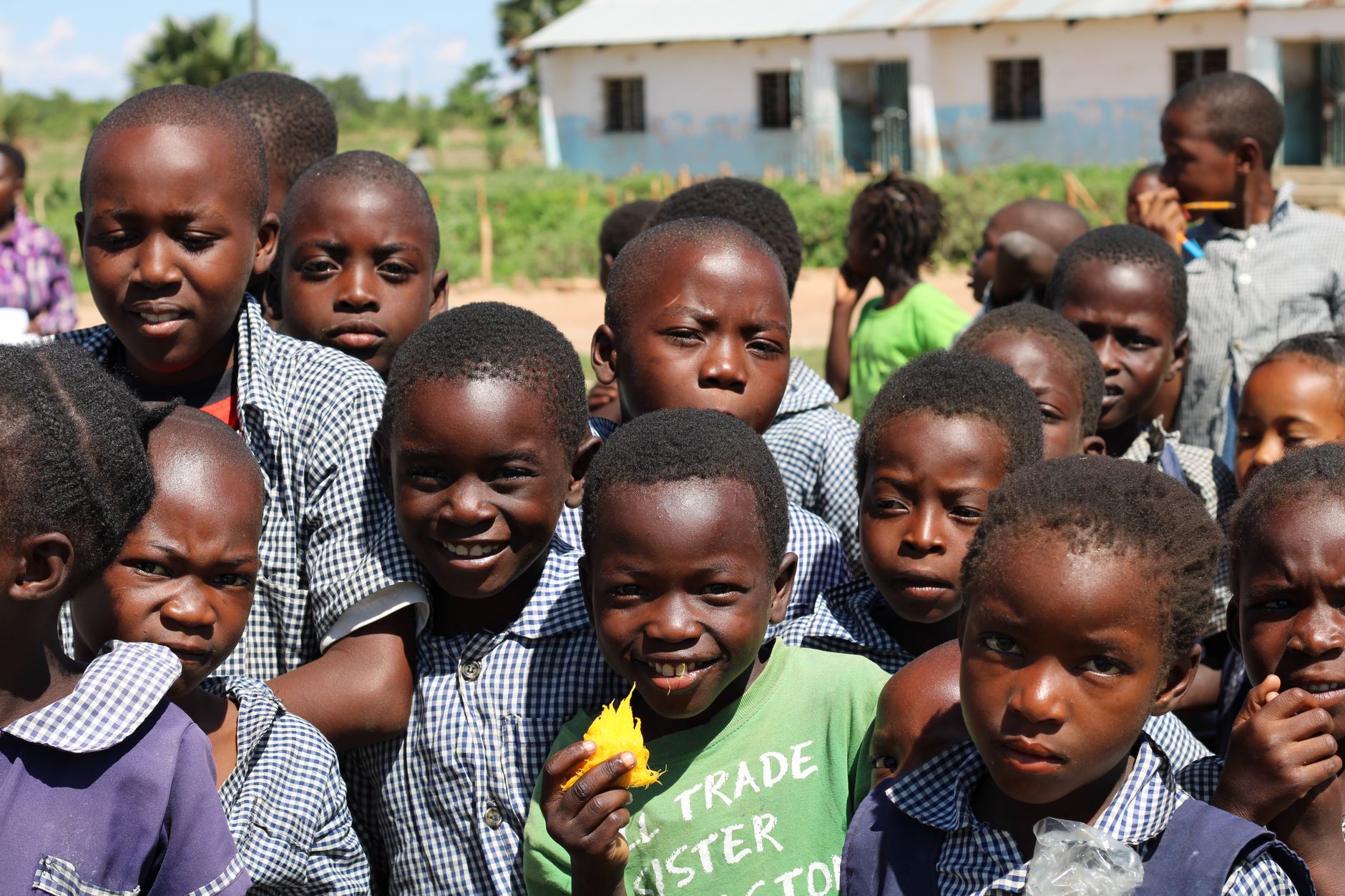
An estimated 2.95 million children and adolescents in eastern Democratic Republic of the Congo (DRC) are at risk from Ebola and the disruption of essential services, according to a warning from UNICEF. This figure represents 54 percent of the population under 18 in 31 affected health zones, as global confirmed Ebola cases have now reached 1,000.
Children and adolescents account for approximately 15 percent of confirmed Ebola cases and over 25 percent of confirmed deaths in the region as of June 19. Data indicates that younger individuals with confirmed Ebola are nearly twice as likely to die compared to adults, underscoring the outbreak’s severe impact on this demographic.
Orphans and Vulnerable Children Face Growing Needs
Ituri Province, particularly its Mongbwalu, Rwampara, and Bunia health zones, remains the epicenter of the outbreak, with cases also reported in North Kivu and South Kivu provinces. In Ituri alone, 135 children have been orphaned by the outbreak and are receiving support, including psychosocial care, referrals to social services, and alternative care arrangements.
UNICEF has supported the opening of the first nursery, providing a safe space for infants and young children separated from their families for treatment. Two more such facilities are expected to open soon. UNICEF Executive Director Catherine Russell noted that teams have encountered children who have lost one or both parents to the virus, struggling with the threat amid rumors and misinformation.
The region’s children were already vulnerable prior to the outbreak, with over half of children under five chronically malnourished and low immunization rates. These pre-existing conditions heighten the risk from Ebola, as early symptoms can be mistaken for other illnesses like malaria, delaying diagnosis. Malnutrition further increases susceptibility.
Broader Risks and UNICEF’s Response
Beyond direct infection and the loss of caregivers, children face stigma, psychosocial distress, and an increased risk of violence, including sexual violence against girls. The disruption of essential services such as healthcare, nutrition, education, water, sanitation, and child protection exacerbates these risks, compounded by years of conflict and displacement in eastern DRC.
In neighboring Uganda, 20 Ebola cases and two deaths have been confirmed among individuals who traveled from the DRC. One child tested positive in Uganda, and 19 are under quarantine monitoring.
UNICEF is collaborating with governments and partners, including the WHO and Africa CDC, in both DRC and Uganda to contain the outbreak. Efforts include infection prevention and control, contact tracing, safe burials, and community engagement. Simultaneously, UNICEF is working to maintain essential services.
The organization is seeking $70.7 million for its six-month response plan, with $20 million still unfunded, as part of a multi-partner continental plan. UNICEF is also calling for immediate, safe, and sustained humanitarian access to affected communities, emphasizing that children’s dependence on caregivers makes them particularly vulnerable.

Mitchell Landsberg is a Senior Technology Correspondent at News Raise. He covers consumer electronics, artificial intelligence, software developments, and digital privacy trends.