Apple announced on Thursday that it is raising prices for its iPad and MacBook product lines, attributing the increases to significant rises in the cost of memory and storage chips. The company stated that it could no longer absorb these escalating expenses, which are largely influenced by the artificial intelligence industry’s extensive data center buildout.
While the price adjustments do not impact the iPhone, Apple’s most profitable product, they affect other key devices. The Neo laptop, Apple’s entry-level model, will see its starting price increase from $599 to $699, a change occurring just months after its initial launch. This move illustrates that even a company with Apple’s considerable influence and robust supply chain relationships is susceptible to the surge in memory chip prices, which has dampened the market outlook for smartphones and personal computers.
Chip Supply Prioritization Drives Costs
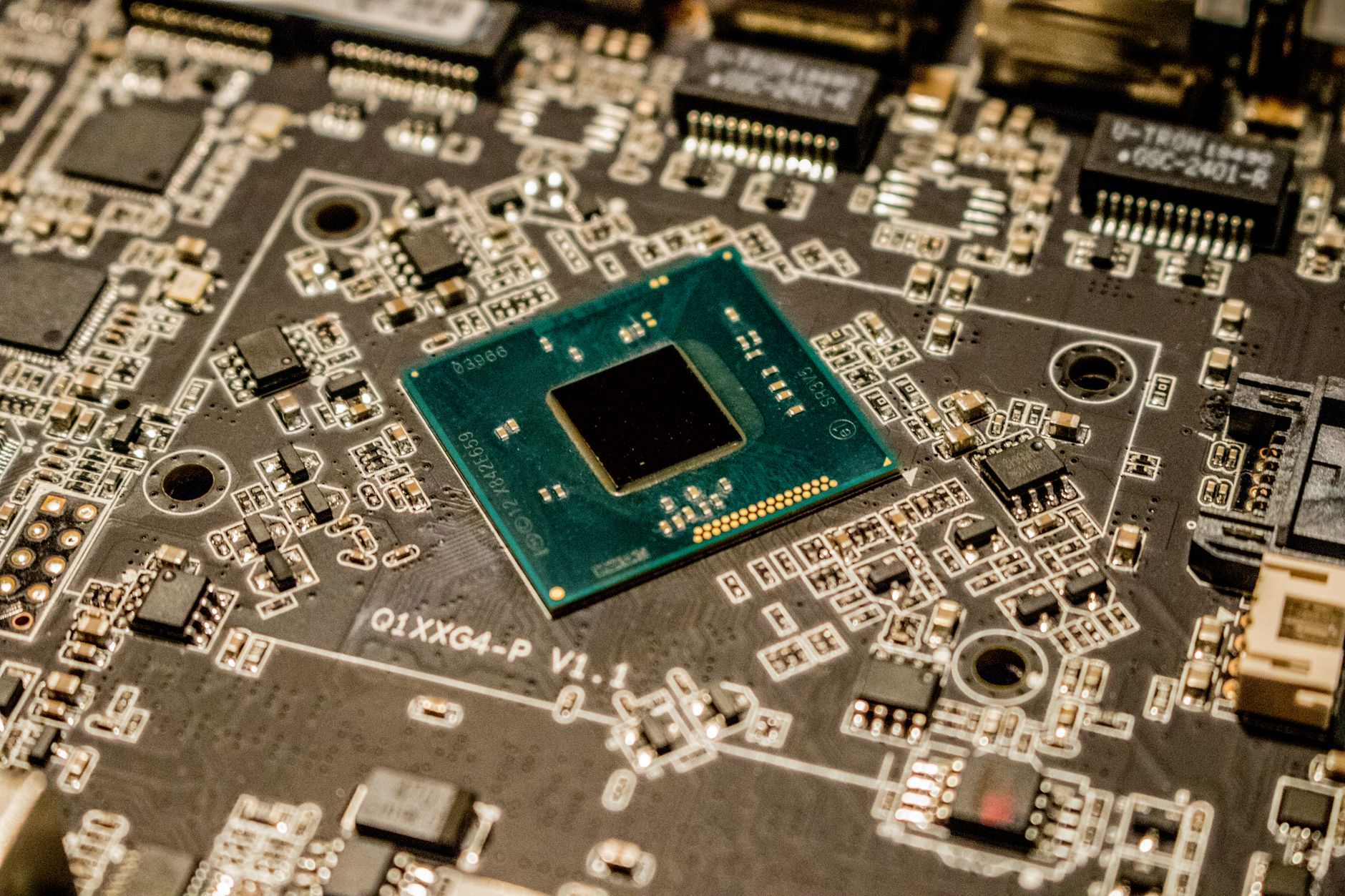
Memory manufacturers, including companies like Micron, have recently prioritized orders from AI chipmakers such as Nvidia. This strategic shift has led to record profits for memory producers but has simultaneously reduced the available supply for consumer electronics manufacturers. Consequently, these companies have been compelled to pass on the increased costs to consumers through higher prices.
“We have never seen a component price increase this much, this quickly,” Apple said in a statement. “We have shielded our customers from these increases so far, but we have now reached a point where we need to begin raising prices on a number of products, including today’s increases for iPad and Mac.”
Specific price adjustments include a $200 increase for a MacBook Air equipped with 512 gigabytes of storage, and a $300 rise for a MacBook Pro with 1 terabyte of storage. Apple also increased prices for both versions of its HomePod smart speaker and the Apple TV set-top box. Following these announcements, Apple’s stock experienced a decline of nearly 5%, with competitor Dell also seeing its shares drop by over 8%.
Broader Market Impact and Future Expectations
Industry analysts noted that Apple’s strong supplier relationships have provided some buffer, allowing it to implement less drastic price hikes compared to some rivals. However, expectations are mounting that the iPhone may also face price increases in the near future.
Nabila Popal, a senior research director at IDC, commented, “The iPhone isn’t spared. Its hike is coming.” Popal added that it was strategic for Apple to announce these price adjustments before the fall iPhone launch, potentially shifting consumer focus away from price increases and towards the features of new models.
The cost of dynamic random access memory (DRAM), a component essential for most modern electronic devices, saw increases of up to 98% in the first quarter of 2026 and is projected to rise by an additional 58% to 63% in the current quarter, according to industry tracker TrendForce. This significant price surge, described by some as “Ram-ageddon,” is attributed to the boom in AI data center construction, with major players like Nvidia securing long-term supply agreements with memory manufacturers.
Micron recently reported securing $22 billion in long-term commitments from customers aiming to guarantee their memory supplies. The rising component costs are anticipated to significantly affect device sales throughout the year. IDC forecasts the smartphone market could face its largest annual decline ever, with an estimated drop of nearly 14%, while the PC market is expected to decrease by 11.3%.

Helene Elliott is the Lead Science & Space Reporter at News Raise. She reports on aerospace missions, astrophysics discoveries, quantum research, and environmental technology.