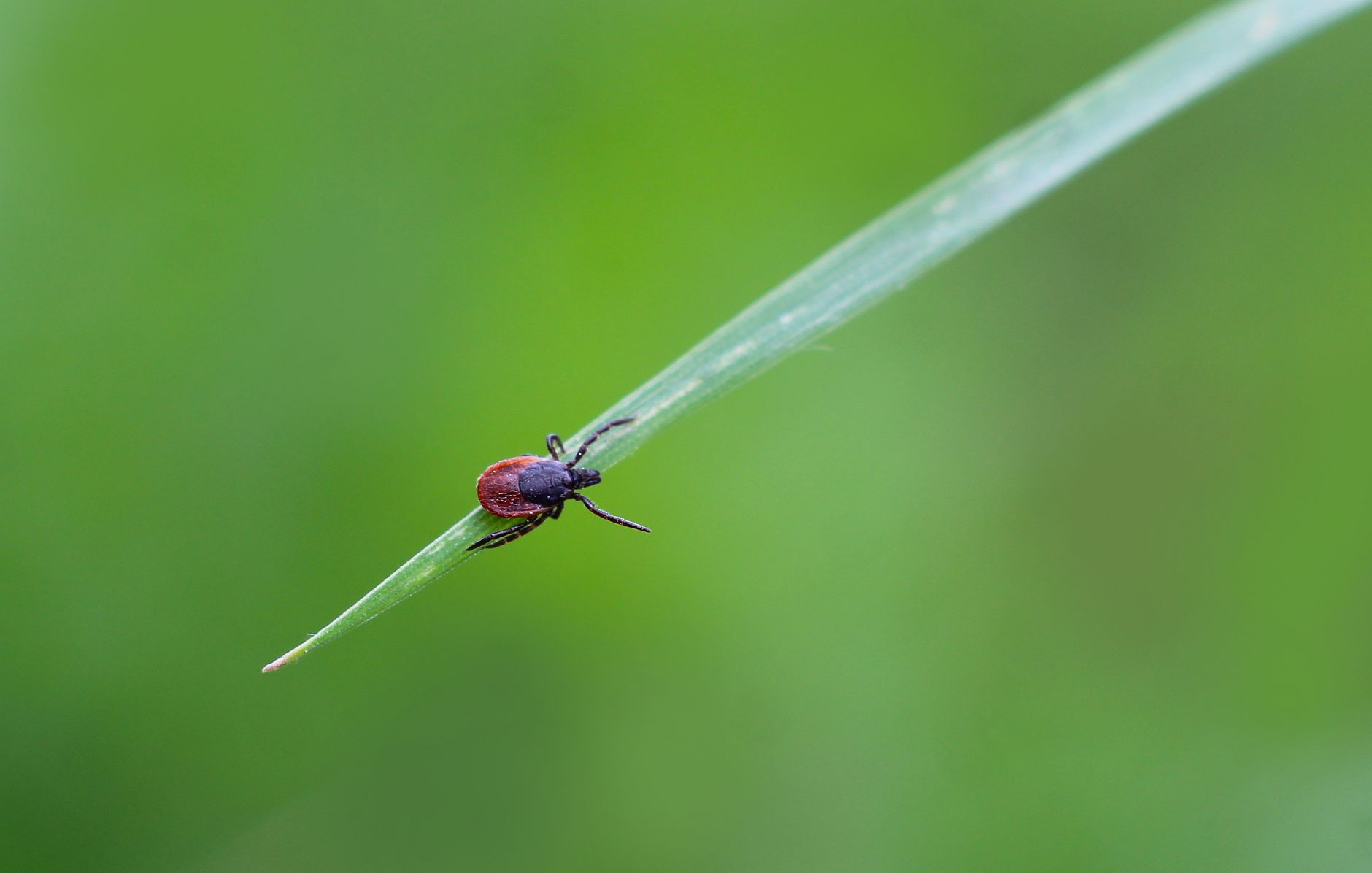
Emergency room visits connected to tick bites have surged across Virginia this spring and are continuing into the summer, marking an increase compared to previous years, according to a UVA Health expert. Ticks can lead to health issues in several ways, including transmitting infections and causing alpha-gal syndrome, a type of red meat allergy.
Tick-Borne Issues and Alpha-Gal Syndrome
Jeffrey Wilson, an associate professor in allergy and immunology at UVA Health, explained that tick bites can result in various health concerns. “One of the big ones people think about is tick-borne infections,” Wilson stated. He also highlighted the link between tick bites and alpha-gal syndrome, a red meat allergy that can develop after a bite. “You can develop a tick-acquired red meat allergy that these days we more commonly know it as the alpha-gal syndrome,” Wilson said, emphasizing these as potential negative outcomes of tick encounters.
Peak Season and Prevention Strategies
Tick season typically peaks during the spring and summer months but can extend into the fall. “There’s definitely an uptick as you get into tick season. And so, unfortunately, it’s not just summer, but it’s going to be spring and summer is probably the worst. Still extending into fall a little bit,” Wilson noted. While winter is generally a quieter period for ticks, some species may remain active on warmer days. “Lone Star ticks, in particular, are pretty quiet in the winter,” Wilson said. “But even if it’s in the winter, but it’s a mild day and it’s in the 40s or 50s, you can still sometimes have active ticks.”
To prevent tick bites, Wilson recommends using deterrents. “We talk about using deterrents. So you can apply things like DEET directly to your skin,” he advised. Additionally, treating outdoor clothing with permethrin is suggested. “There’s a deterrent called permethrin. And permethrin spray doesn’t go directly in your skin, but it can go on your outdoor clothes,” Wilson explained. He added that clothing used for activities like hiking, gardening, hunting, or walking dogs can be treated with permethrin, making it a good deterrent.
Awareness and Early Indicators
Wilson stressed the importance of awareness and performing daily tick checks. “Be aware if you’re going to be in the woods, if you’re going to be in high grass, that you’re really entering tick territory,” he said. “And then thinking about doing tick checks at the end of the day, even if you’ve had a tick exposure, but it’s a very brief tick exposure, then it’s going to be pretty unlikely to transmit an infection and probably also unlikely to get you alpha-gal syndrome if you attend to it and get it off you really quick.”
Supporting this trend, a Centers for Disease Control and Prevention (CDC) study released in April indicated early signs of a significant tick year. “There was the CDC study that came out in April. At least early on, it was looking like a big tick year,” Wilson mentioned. Emergency room data corroborates this observation, with visits for tick-related infections being up early in the spring compared to prior years. “We do know that emergency room visits for tick-related infections were up early in the spring compared to prior years. And anecdotally, from talking to other folks who study ticks and do tick drags and stuff like that, it has been a big year,” Wilson concluded. “So in general, I do think in Virginia, it has been a big tick year.”

Helene Elliott is the Lead Science & Space Reporter at News Raise. She reports on aerospace missions, astrophysics discoveries, quantum research, and environmental technology.