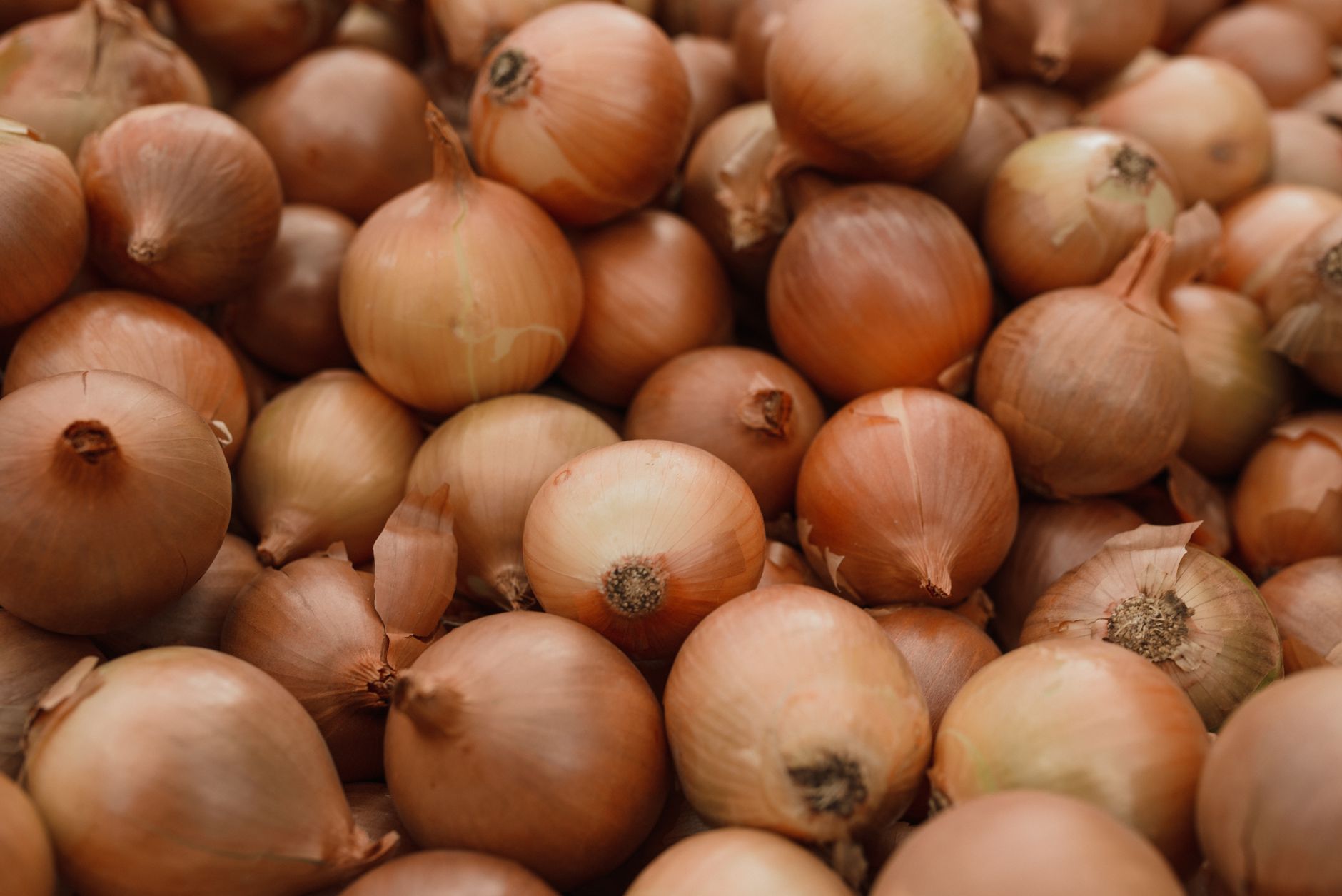
A genetic predisposition to liking onions may be associated with a lower risk of developing type 2 diabetes and high blood pressure, according to new research. The study, published in BMC Medicine, analyzed data from over 160,000 individuals in the UK Biobank, examining genetic information and food preferences.
Genetic Link Identified
Researchers identified a specific variant of the OR2T6 smell receptor gene that was more likely to be present in individuals who preferred onions. By analyzing health outcomes in participants with this gene variant, the study found a correlation between this genetic predisposition, a preference for onions, and a reduced likelihood of being diagnosed with high blood pressure and type 2 diabetes.
Daniel Liang-Dar Hwang, Ph.D., lead study author and genetic epidemiologist at the Institute for Molecular Bioscience at the University of Queensland, noted the challenge in nutrition research of distinguishing between cause and correlation. “We wanted to develop a better way to answer that question,” Hwang stated. “Because our sense of taste and smell plays a major role in the foods we choose to eat, we investigated whether genes that influence these senses could help us better understand the relationship between diet and health.”
Potential Health Benefits of Onions
While the exact reasons for the observed link are not fully understood, experts suggest several theories. Jessica Cording, R.D., author of The Little Book of Game-Changers, pointed out that onions contain beneficial compounds such as flavonoids, quercetin, and fiber, which are known to support cardiovascular health.
Onions are also frequently incorporated into nutrient-dense meals, often featuring a variety of vegetables. Cording mentioned their common presence in dishes associated with the Mediterranean diet, which is linked to healthier eating patterns that can help reduce the risk of type 2 diabetes.
Richard Siegel, M.D., co-director of the Diabetes and Lipid Center at Tufts Medical Center, suggested that individuals who prefer onions might also be inclined to consume other healthy plant-based foods. “If they are more genetically likely to eat a plant-based, unprocessed diet, including onions, the foods may contain phytochemicals that may reduce the risk for high blood pressure and diabetes,” he explained.
Danielle Reed, Ph.D., a study co-author and chief science officer at the Monell Chemical Senses Center, noted that not everyone experiences the same flavor perception. “People who are blind to those flavors eat less onion and do not get the benefit,” she said.
Expert Caution on Causation
Despite the findings, experts caution against viewing onion consumption as a direct treatment or sole preventative measure for these conditions. “Our findings suggest that onion consumption may help lower blood pressure and reduce the risk of type 2 diabetes, but this study alone isn’t enough to recommend that people eat more onions specifically for these purposes,” Hwang stated.
Cording emphasized that no single food can independently influence disease risk. “I wouldn’t encourage people to think of onions as a treatment for high blood pressure or diabetes,” she said. “But I would think of them as a nutritious ingredient that can be part of an overall healthy eating pattern.”
Reed suggested that for individuals managing high blood pressure, increasing onion consumption could be worth exploring, adding, “We are all experiments of one when it comes to nutrition.” However, Siegel reiterated the importance of distinguishing association from causation and recommended a holistic approach, including regular physical activity and adherence to established healthy eating plans like the Mediterranean or DASH diets.

Steve Lopez is a Senior Editorial Columnist and Health & Public Policy reporter for News Raise. Steve focuses on healthcare advancements, medical technologies, and public health policies.