Louisiana health authorities have confirmed that a strain of bacteria known as Vibrio vulnificus has caused five fatalities this year, a significant increase compared with the state’s usual annual toll. The deaths have prompted a public health alert urging residents and visitors to take additional precautions before entering the Gulf’s warm waters.
Rising toll and seasonal patterns
The Louisiana Department of Health reports nine confirmed infections and five deaths so far in 2024. All cases involved individuals who entered seawater with open cuts or abrasions, and each patient had pre‑existing medical conditions. Historically, the state averages seven infections and one death per year, making the current figures an alarming deviation.
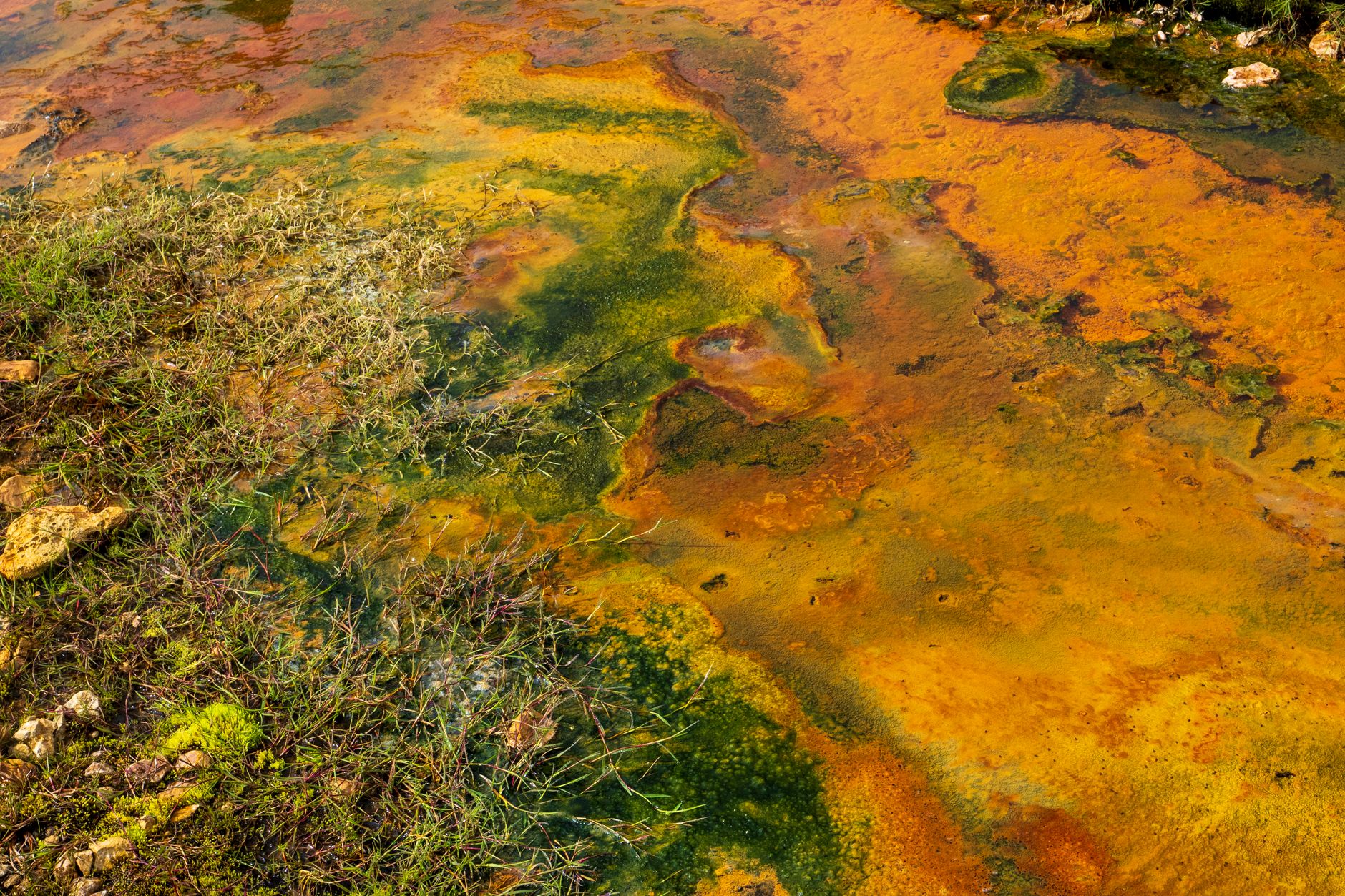
Vibrio bacteria thrive in warm, coastal environments, with concentrations typically peaking from May through October when water temperatures rise. The pathogen belongs to a broader group of Vibrio species that inhabit salty or brackish water. While infections are relatively rare, the bacteria can cause a severe illness called vibriosis, which may present with vomiting, diarrhea, abdominal pain, and potentially life‑threatening skin infections.
Symptoms, diagnosis and treatment
According to the Centers for Disease Control and Prevention (CDC), early signs of a Vibrio skin infection include fever, redness, pain, swelling, warmth, discoloration and discharge from the wound. If the bacteria enter the bloodstream, patients can develop fever, chills, septic shock and blistering skin lesions. In extreme cases, the infection can lead to necrotizing fasciitis, a condition where the tissue surrounding an open wound dies, earning the bacterium the nickname “flesh‑eating.”
The CDC notes that about one in five people infected with Vibrio vulnificus die, sometimes within a day or two of symptom onset. Diagnosis is made by culturing samples from stool, wound exudate or blood. For mild cases, increased fluid intake is recommended to avoid dehydration. Severe or prolonged infections require antibiotic therapy, and surgical removal of dead tissue may be necessary for wound infections.
Prevention recommendations for beachgoers
Health officials advise anyone with fresh cuts, scrapes or open wounds to avoid swimming in warm saltwater or brackish water. Consumption of raw oysters and other uncooked shellfish should also be avoided, as the bacteria can be transmitted through contaminated seafood. The CDC recommends using protective gloves when handling raw shellfish and preventing cross‑contamination of other foods with shellfish juices.
People with chronic liver disease, diabetes, cancer, HIV, thalassemia or those taking immunosuppressive medications face higher risk of severe outcomes and should be especially vigilant. The department emphasizes that while healthy individuals may experience only mild symptoms, those with compromised immune systems can develop serious complications, including the need for intensive care or limb amputation.
As the warm season progresses, Louisiana officials will continue monitoring Vibrio levels in coastal waters and updating the public on any heightened risks. Travelers planning beach activities are encouraged to check local health advisories and to seek prompt medical attention if they develop any of the described symptoms after water exposure or shellfish consumption.

Steve Lopez is a Senior Editorial Columnist and Health & Public Policy reporter for News Raise. Steve focuses on healthcare advancements, medical technologies, and public health policies.