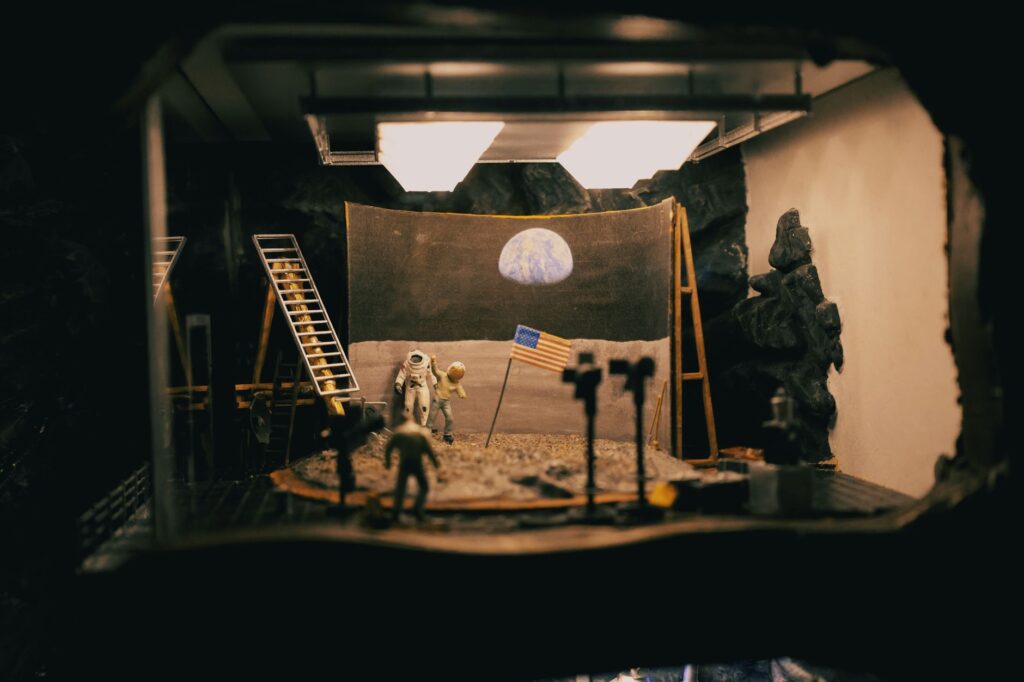
NASA has shared updated details on how SpaceX and Blue Origin are revising their lunar lander designs to accelerate development for the Artemis program's future missions.
Posts published in “Science”
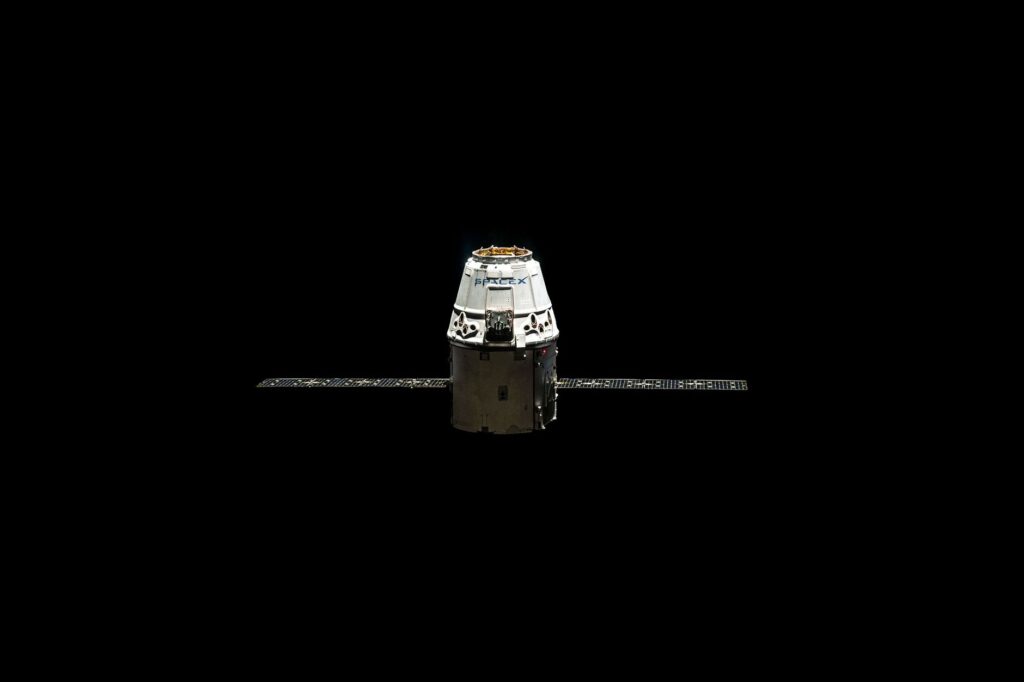
A SpaceX Dragon spacecraft is set to depart the International Space Station on June 16, carrying thousands of pounds of cargo, including vital scientific research samples and hardware.
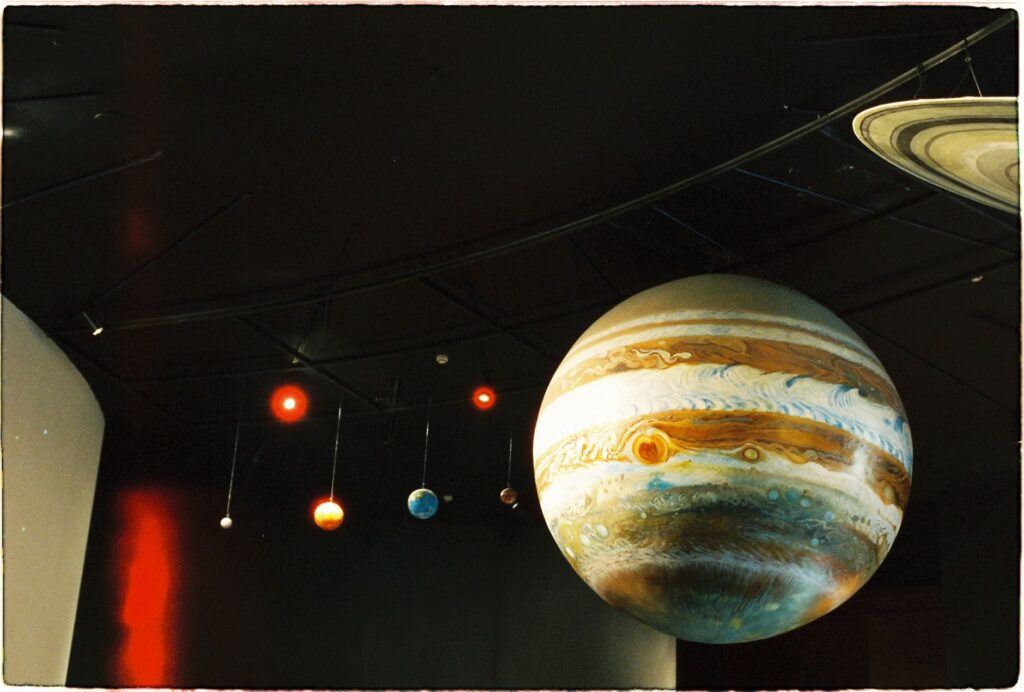
Mercury, Venus, and Jupiter will form a slanted line in the western sky after sunset on June 12, offering a brief viewing window for a mini planetary parade.
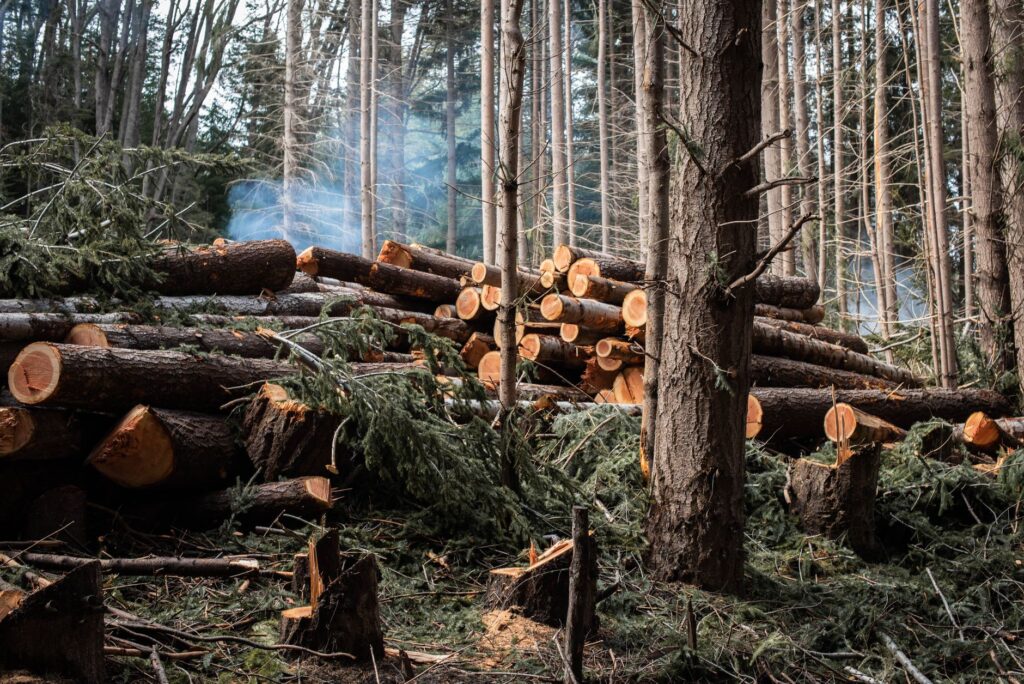
A new study suggests trees may store less planet-heating carbon than previously thought, as photosynthesis doesn't always translate to wood growth. Researchers found trees stopped growing months before photosynthesis ceased at many study sites.
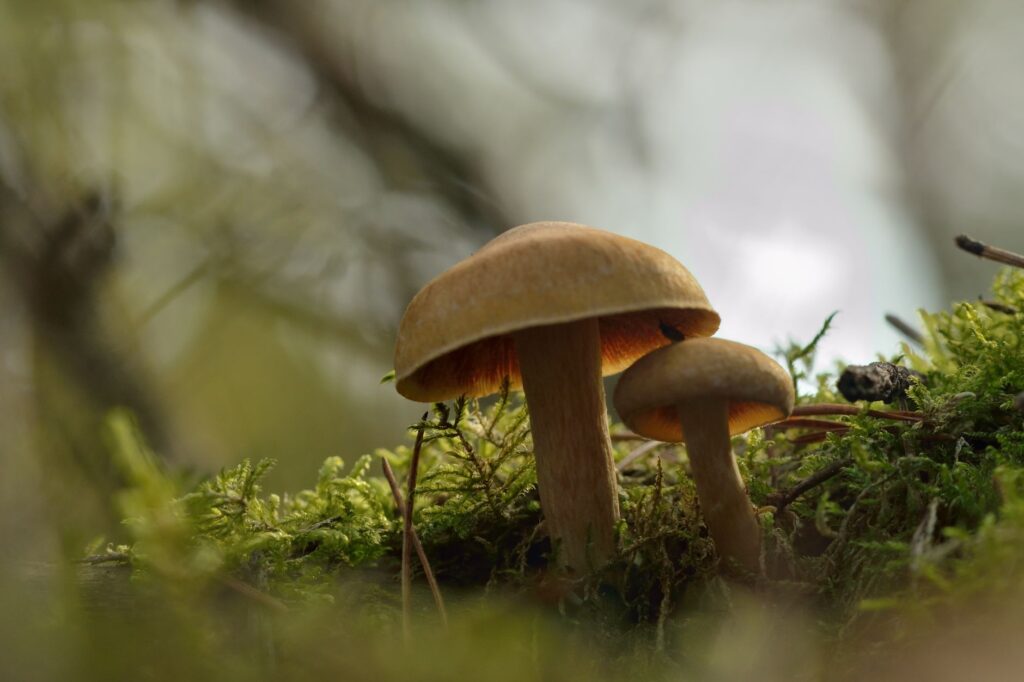
A new global map reveals the extensive reach of arbuscular mycorrhizal fungal networks, crucial partners for most land plants, highlighting their density in grasslands and impact from agriculture.
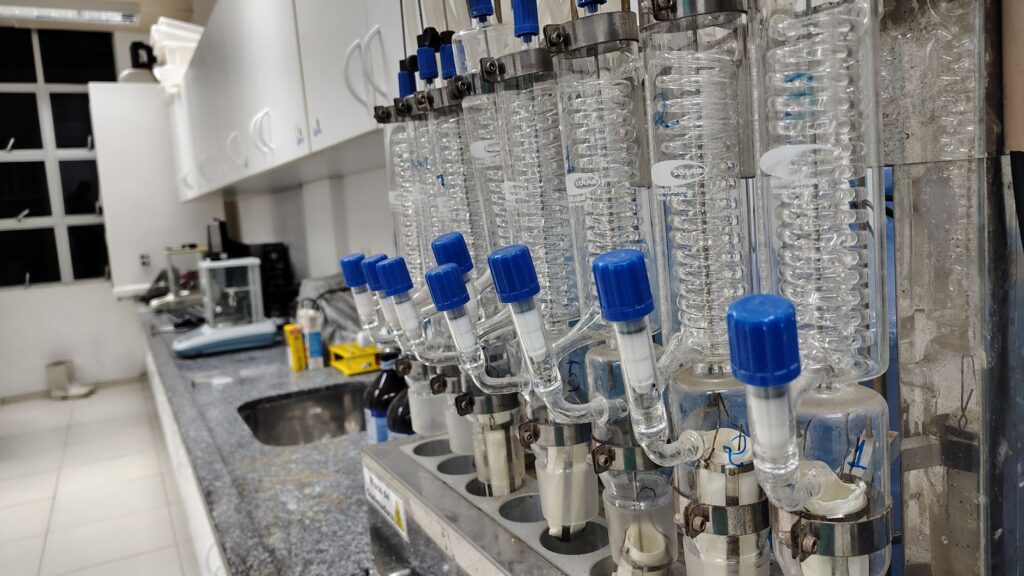
Researchers have visualized the rapid chemical reactions occurring when carbon dioxide is injected into cement paste, revealing a new mechanism for increased early strength.
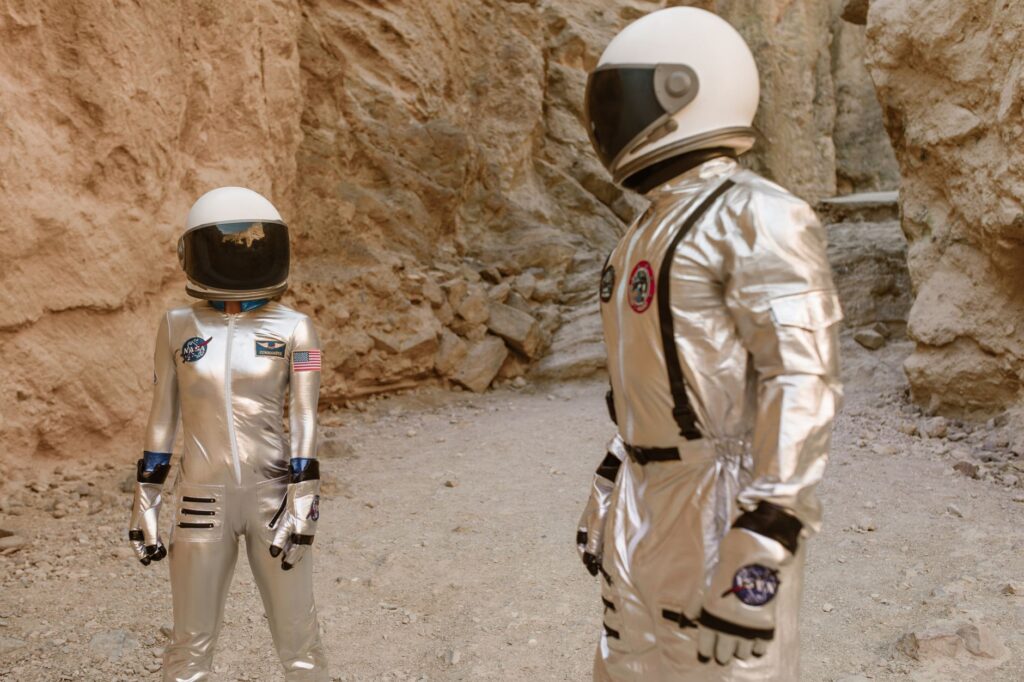
NASA Administrator Bill Nelson defended the selection of an all-male crew for the Artemis 3 mission, stating astronauts were chosen based on experience, skill sets, and availability.
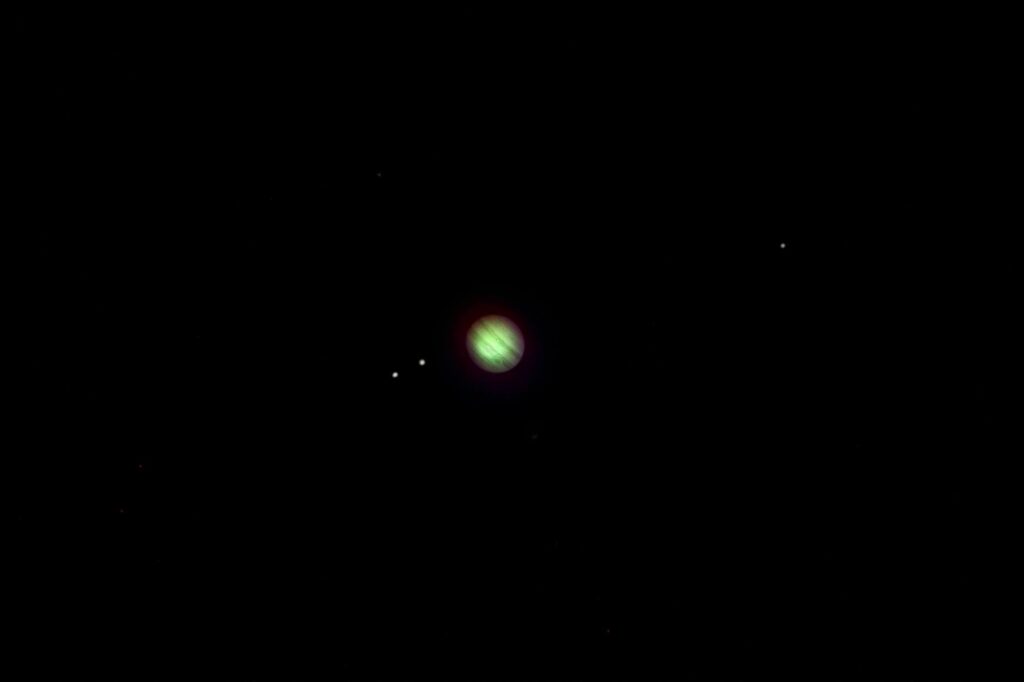
Jupiter and Venus appeared less than 2 degrees apart in the constellation Gemini on June 9, captivating skywatchers and astrophotographers worldwide.
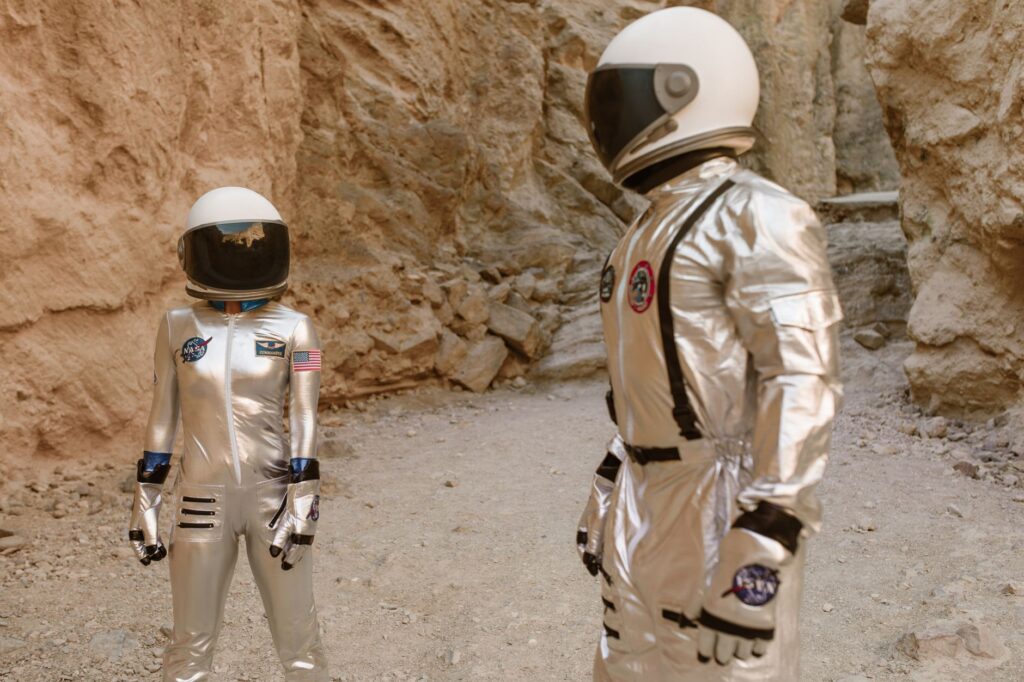
NASA Administrator Bill Nelson defended the selection of an all-male crew for the Artemis III mission, stating astronauts were chosen based solely on experience, skill sets, and availability.
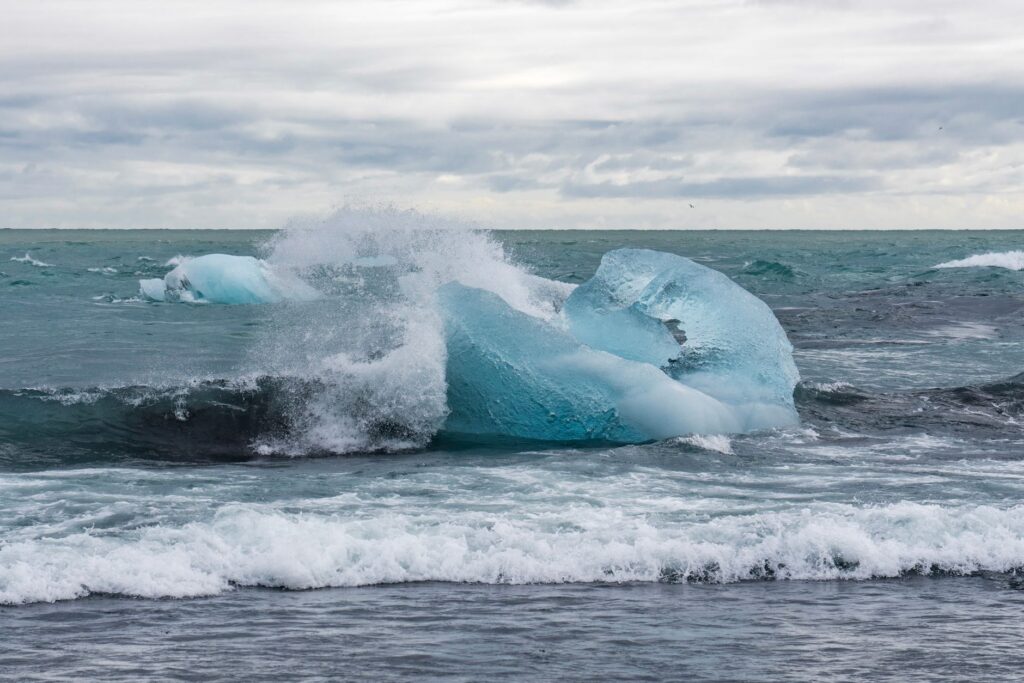
A new analysis of a cooling anomaly in the North Atlantic suggests the Atlantic Meridional Overturning Circulation (AMOC) is weakening and approaching a dangerous tipping point.