The European Space Agency’s Jupiter Icy Moons Explorer performed a brief Earth flyby on Sept. 28, gaining a 7,830 mph speed increase and a 20‑degree trajectory shift en route to Jupiter.
Posts published in “Science”
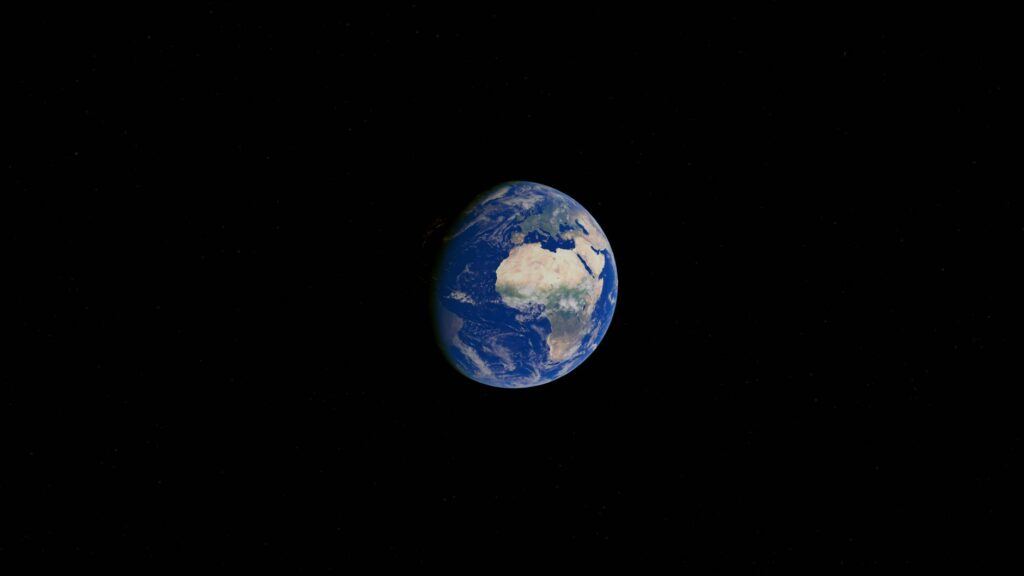
A new Nature paper shows that gravitational coupling between Earth's inner core and mantle is the primary driver of millisecond changes in day length over recent decades.
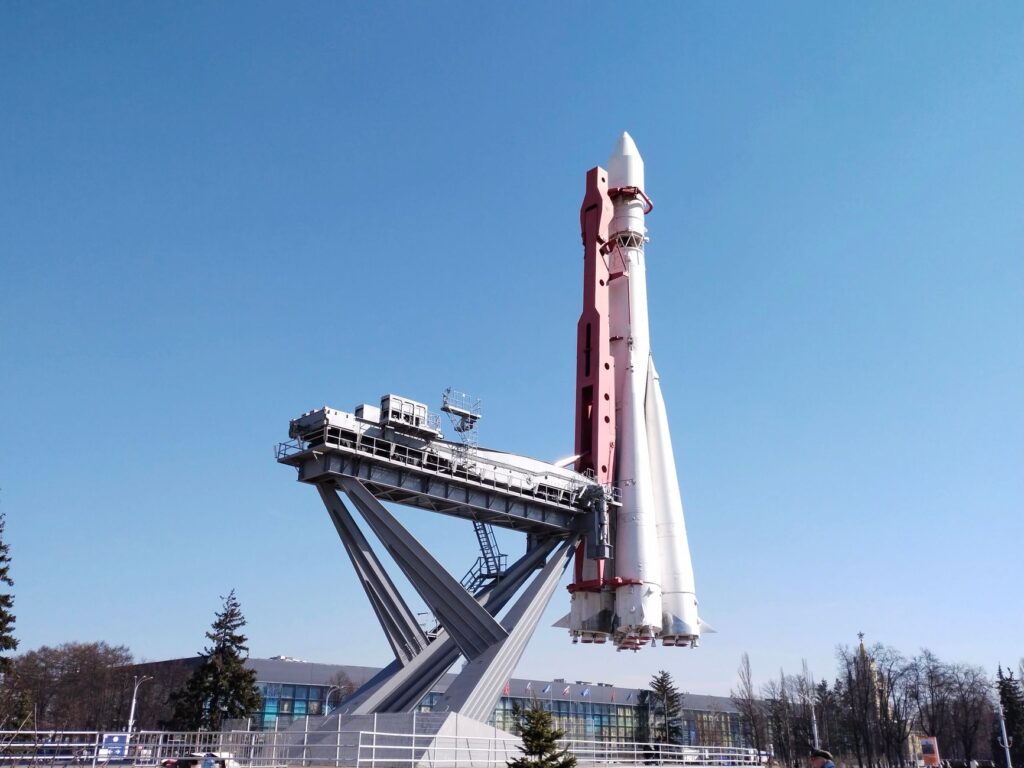
NASA will pay $359 million to Boeing for Starliner thruster repairs and order two additional crewed missions, securing U.S. access to low‑Earth orbit after SpaceX’s Dragon retires.
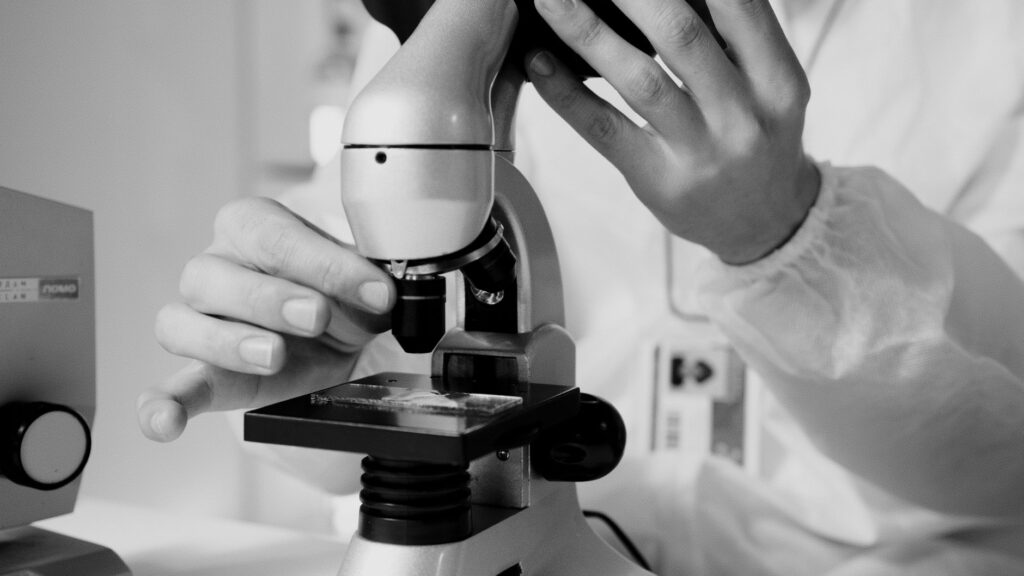
Evolutionary biologist Julia Van Etten turned an $80 motel room into a makeshift lab and identified two previously unknown photosynthetic Paulinella species, raising the known count to six.
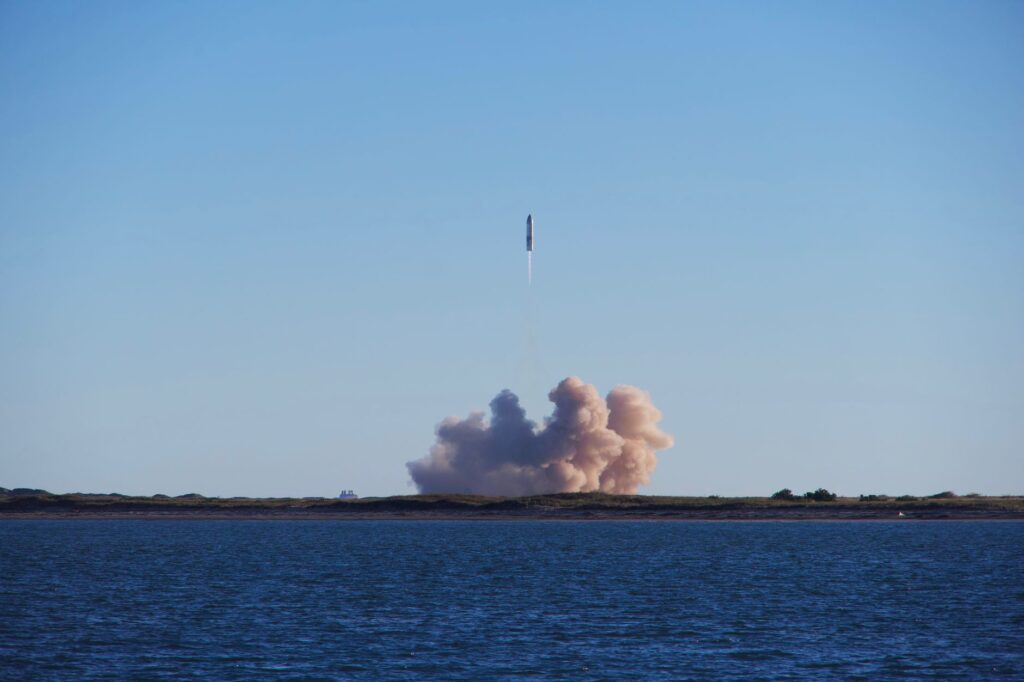
SpaceX will attempt the first orbital flight of its Starship megarocket on Sept. 28, aiming to deploy 26 next‑gen Starlink satellites and demonstrate a new era of reusable launchers.
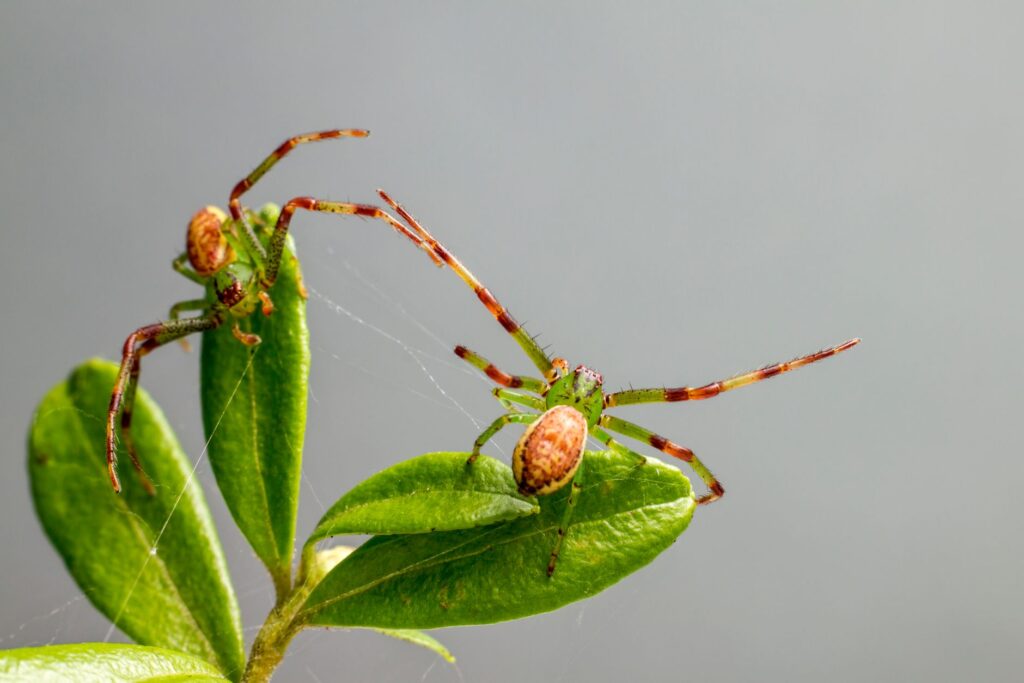
Researchers from the University of British Columbia have described two previously unknown sea spider species from the Salish Sea, marking the first such finds in the region in over a century.
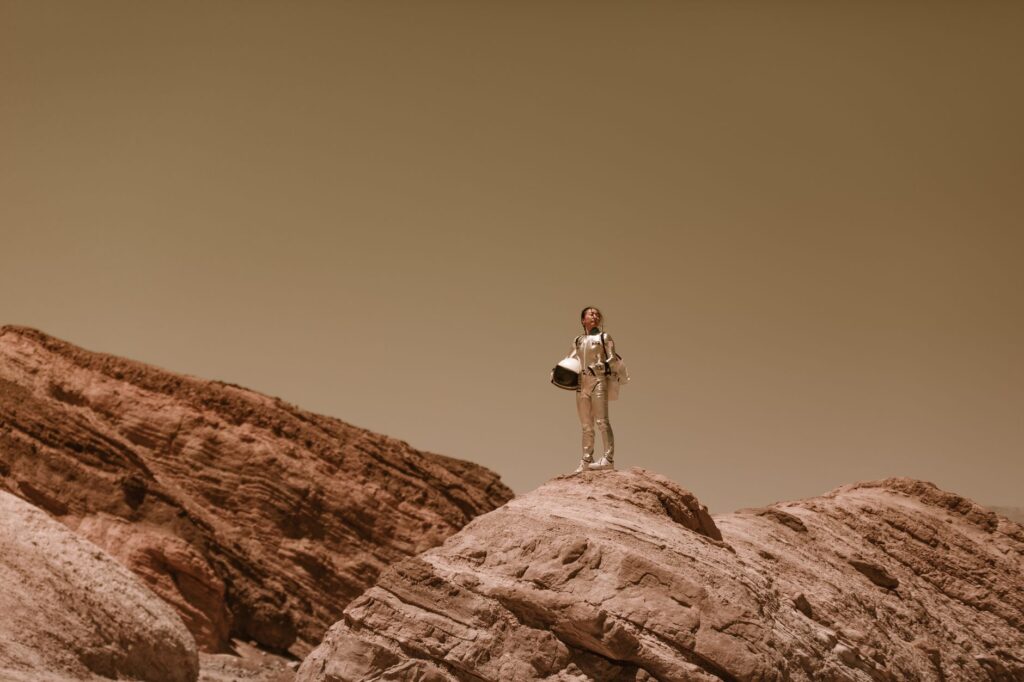
NASA's Perseverance rover discovered that rocks along Jezero crater’s margin are volcanic, yet they record at least three distinct wet events, reshaping ideas about ancient Martian water.
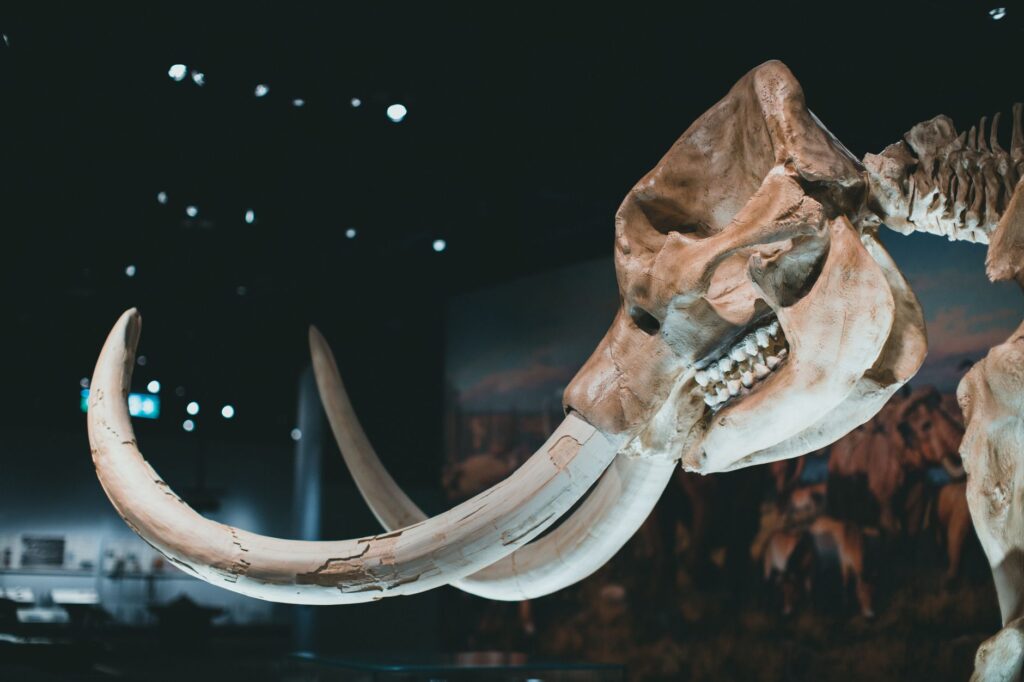
Colossal Biosciences says its effort to bring back the woolly mammoth will likely not see lab‑born calves until the early 2030s, after technical setbacks and expanded gene‑editing needs.
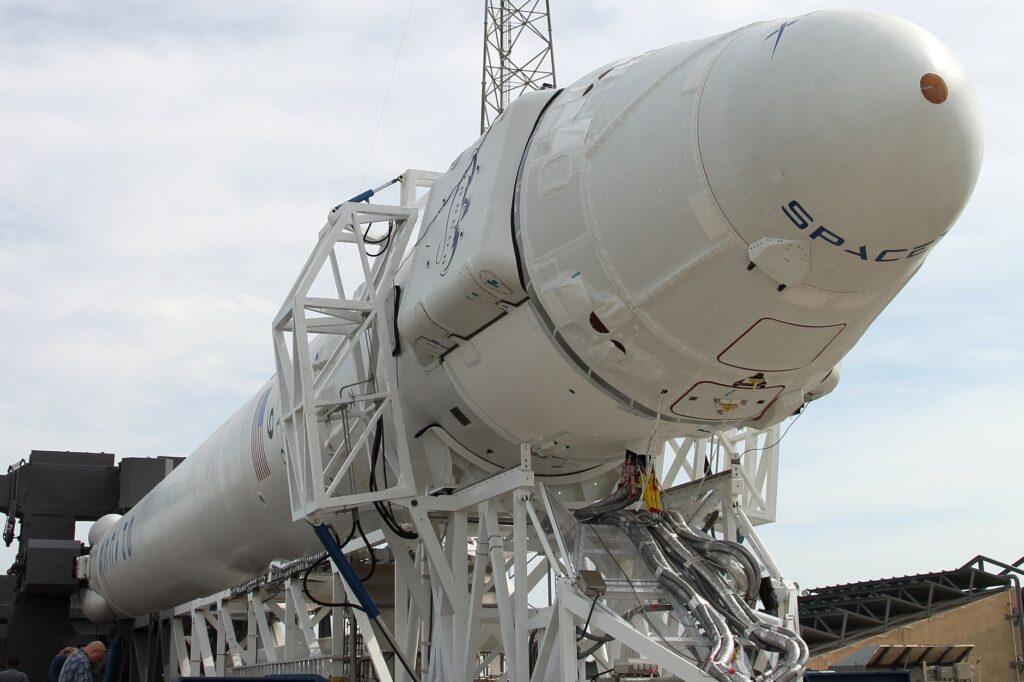
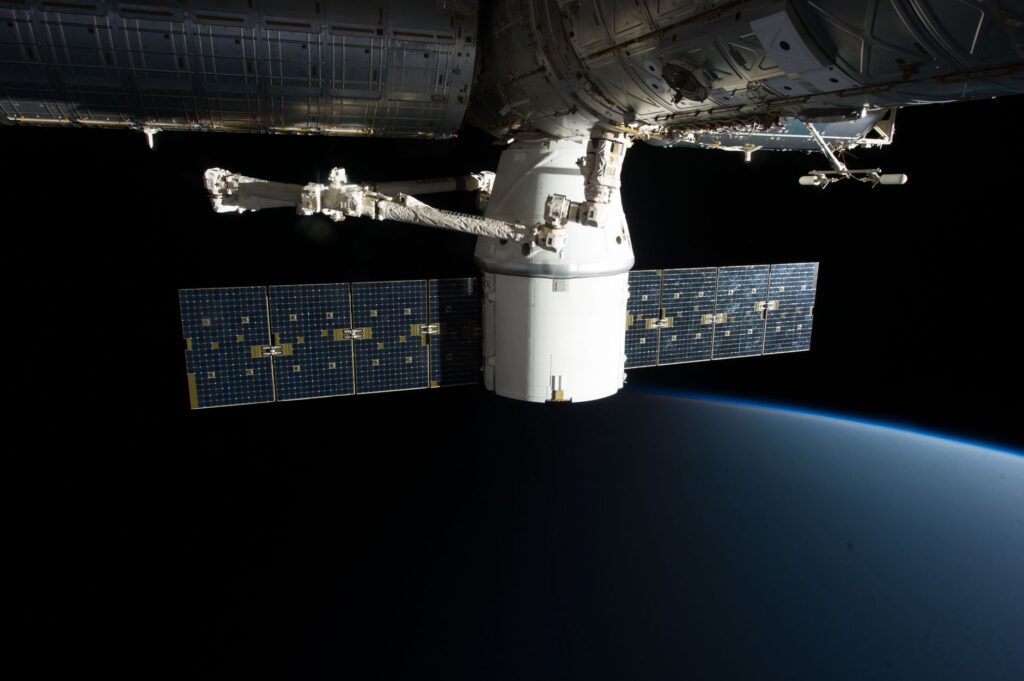
The commercial robot Link, launched in July to boost the aging Swift observatory, re‑entered Earth’s atmosphere after 85 days, concluding a high‑risk mission that fell short of its primary goal.
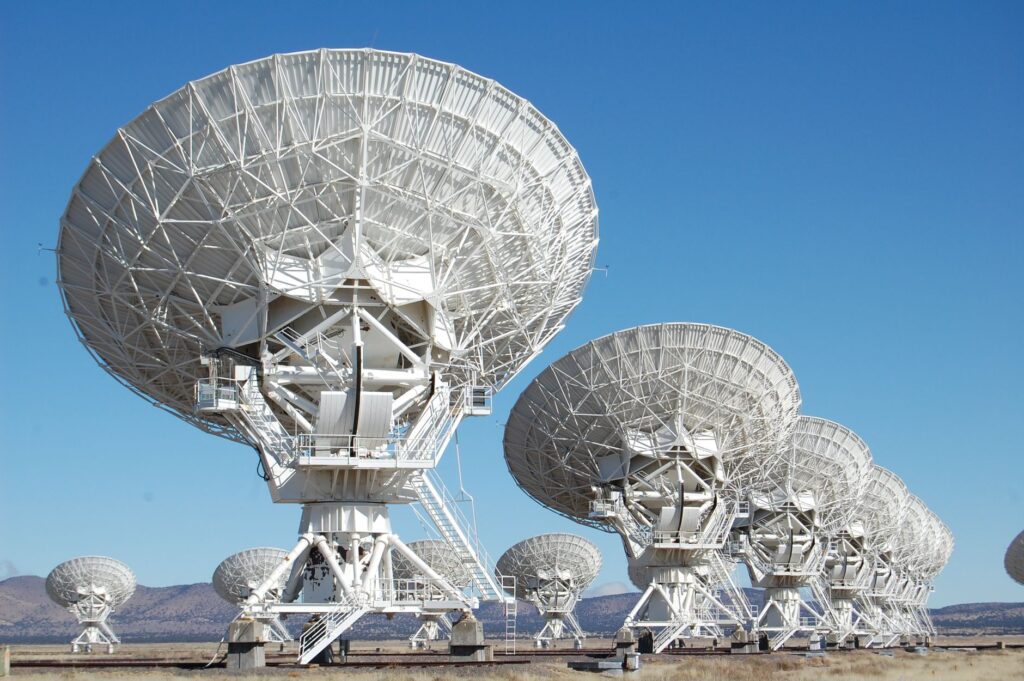
NASA has approved the PRIMA mission, the inaugural Probe Explorer telescope, aiming for launch in the early 2030s as a lower‑cost alternative to flagship observatories.