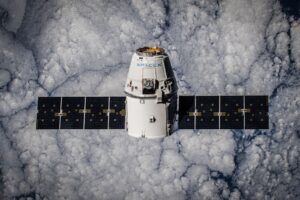
NASA is reassessing its crew‑transport strategy after SpaceX indicated it may retire its Crew Dragon spacecraft. The agency is now weighing the purchase of two extra launches on Boeing’s Starliner, a vehicle that has yet to complete a crewed flight to the International Space Station (ISS) despite more than a decade of development.
Starliner’s troubled history
Boeing’s Starliner program has been marked by a series of setbacks. A failed uncrewed launch attempt was traced to a glitching computer, and a subsequent mission was aborted, leaving two NASA astronauts stranded on the ISS for nine months. The spacecraft has also faced a “litany of technical headaches,” most notably problems with its reaction control system thrusters, which were identified as the primary cause of the last mission’s failure.
Financially, the program has cost Boeing billions of dollars, and the vehicle narrowly avoided cancellation in 2024. Nonetheless, with SpaceX reportedly planning to sunset older launch platforms such as Falcon 9 and the Crew Dragon capsule in favor of its next‑generation Starship, NASA officials say the agency may have little choice but to continue investing in Starliner.
NASA’s financial commitment and upcoming milestones
In response to the technical challenges, NASA announced a $359 million allocation to assist Boeing in rebuilding the reaction control system thrusters. The funding is intended to address the most critical source of the spacecraft’s past woes and to support the validation of recent design improvements.
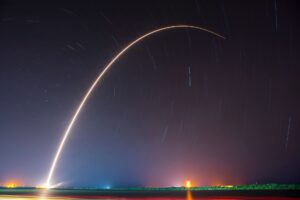
NASA also highlighted the need to certify United Launch Alliance’s Vulcan rocket for crewed missions before the retirement of the Atlas V, which has historically launched the Starliner. The agency’s current schedule targets a launch of an uncrewed Starliner‑1 mission to the ISS no earlier than December of this year. This flight will serve to validate the spacecraft’s upgrades and collect flight data essential for crewed certification.
NASA administrator Jared Isaacman said, “We are starting with an uncrewed Starliner‑1 mission to the International Space Station to validate the improvements made to the spacecraft and gather the flight data we need. From there, we will use what we learn, continue implementing the corrective actions identified by our Program Investigation Team, and complete the testing and certification required for crewed flight.” He added that the agency’s plan is to return astronauts on Starliner‑2 by 2028.
Implications for U.S. access to low‑Earth orbit
The potential retirement of Crew Dragon raises concerns about the United States’ ability to maintain a reliable pathway to low‑Earth orbit. Crew Dragon has provided regular crew transport to the ISS for six years, and without it, NASA’s options could become limited. While the agency already holds three pre‑existing contracts for crewed missions with Boeing, the success of Starliner remains uncertain.
The ISS itself is slated for retirement by the end of the decade, creating a looming gap in orbital infrastructure. Private companies are competing for future government contracts to launch and possibly operate new habitats, but the timeline and specifics remain unclear.
Given these dynamics, NASA’s reliance on Starliner appears increasingly strategic, even as the spacecraft’s track record continues to be scrutinized. The agency’s forthcoming uncrewed test flight and the planned crewed mission in 2028 will be critical indicators of whether Starliner can fulfill the role envisioned for it in the post‑ISS era.

Helene Elliott is the Lead Science & Space Reporter at News Raise. She reports on aerospace missions, astrophysics discoveries, quantum research, and environmental technology.