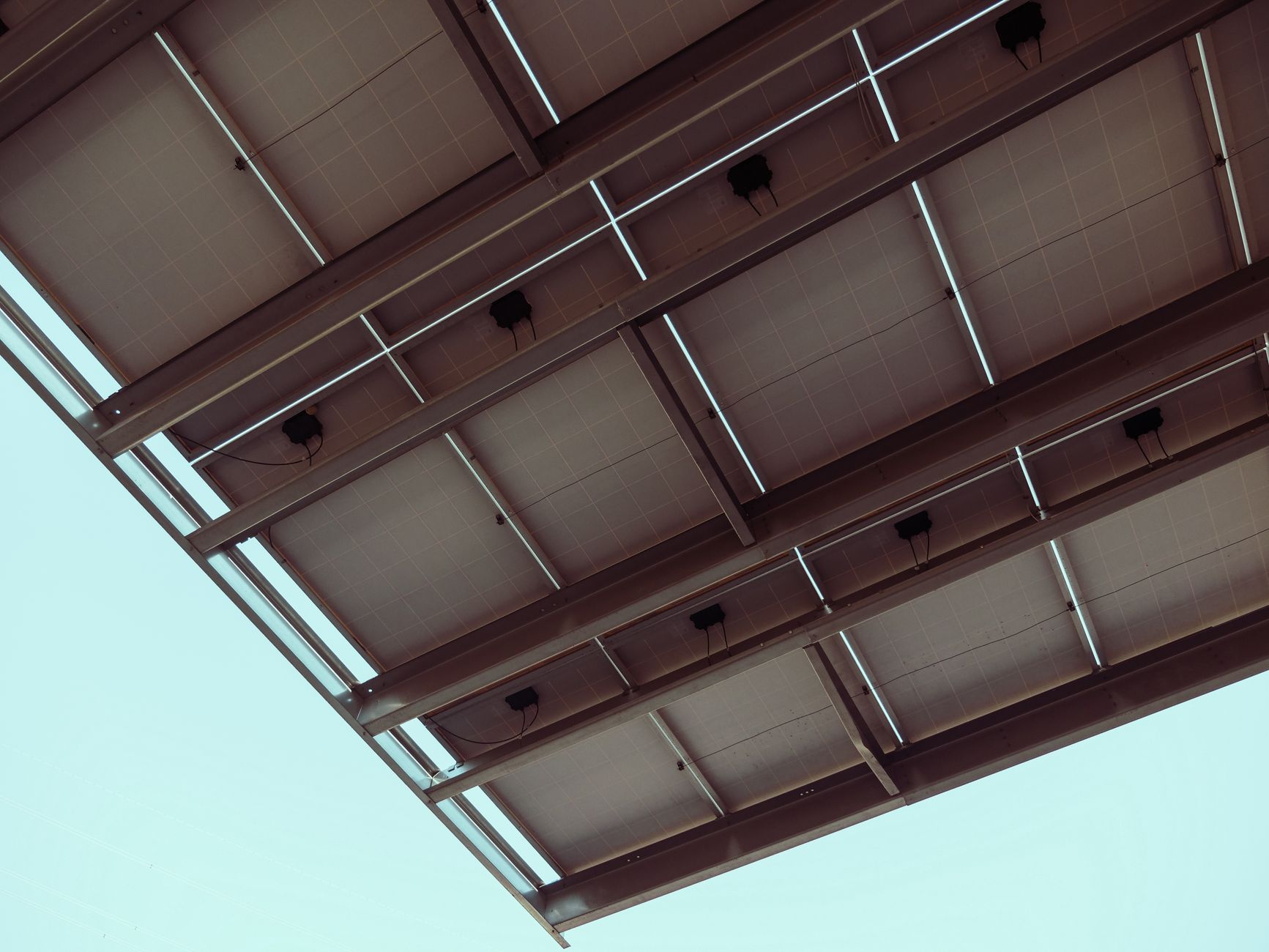
NASA astronaut Anil Menon and Canadian Space Agency astronaut Joshua Kutryk stepped outside the International Space Station on Thursday for the first of two spacewalks aimed at completing a multi‑year power‑system upgrade. The pair installed the seventh roll‑out solar array (IROSA) on the left side of the station’s power truss, a key step toward the final configuration that will support the station through its planned retirement in 2030.
Upgrade context and expected power boost
The original solar wings on the ISS have suffered age‑related degradation, reducing their output to roughly 152 kilowatts. Since the upgrade began, six IROSAs have been added, raising the station’s power generation to about 200 kilowatts. The new arrays are smaller than the original panels but employ state‑of‑the‑art solar cells that are more efficient. Each of the final two IROSAs is expected to add roughly eight kilowatts, bringing total available power to approximately 215 kilowatts – enough to sustain life‑support systems, research activities and visiting vehicles until the station is de‑orbited.
Spacewalk execution and technical details
The spacewalk, the 285th since the station’s assembly began in 1998, began at 7:57 a.m. EDT when Menon and Kutryk switched their suits to battery power. Operating in orbital darkness, the crew first unbolted the folded IROSA from its carrier. The array, weighing about 750 pounds in its stowed configuration and measuring roughly 10 feet long, was maneuvered onto the station’s 58‑foot robotic arm. Flight director Garrett Hehn explained that controllers devised “a pretty elegant series of maneuvers” to rotate the arm around the array’s centre of mass, reducing the physical strain on Menon.
After positioning the IROSA on a pre‑installed support fixture at the base of the left‑side inboard solar wing, the astronauts connected four power cables to channel 2A. Because the station was still in Earth’s night side, no power was being generated, ensuring a safe connection. When the station re‑entered daylight, Menon used a power tool to release a final restraint, allowing the blanket to unroll. The 60‑foot array extended in about ten minutes, deploying like a tape measure thanks to built‑in magnetic “stored energy.”
NASA commentator Rob Navias noted that engineers at mission control were pleased with the performance, stating the new array would add eight kilowatts to the station’s overall capability. Menon reflected on the experience, saying, “Being outside, I can say that it is always sunny in space… We’ve been powering our efforts in space and doing complex operations like this for over 26 years.” Kutryk added that the work is a step toward future deep‑space missions and lunar surface EVAs.
Future installations and overall mission
The seventh IROSA will be the last installed on the left side of the truss. The final IROSA, scheduled for installation during a second spacewalk next Thursday (Nov. 5), will be placed on a solar wing at the far right end of the power truss. Because the robotic arm cannot reach that location, Menon and Kutryk will employ a “leap‑frog” technique, handing the array between them to transport it to the waiting support frame. The deployment process for the final array will mirror Thursday’s activities.
The two IROSAs were delivered to the ISS aboard a SpaceX Cargo Dragon capsule, each folded in half and stowed in the spacecraft’s unpressurized trunk. Once aboard, the station’s robotic arm, remotely operated from the Johnson Space Center in Houston, extracted the arrays and positioned them for later installation.
With the seventh array successfully installed, the crew completed a seven‑hour‑eleven‑minute EVA, returning to the Quest airlock at 3:08 p.m. EDT. The operation not only enhances the station’s power margin but also demonstrates the collaborative engineering and EVA techniques that will underpin future exploration missions beyond low‑Earth orbit.

Norman Pearlstine is the Executive Editor and Co-Founder at News Raise. With over two decades of experience across financial journalism, corporate governance, and market analysis, Norman leads the editorial direction and ensures strict adherence to journalistic accuracy and ethics.